Slow Recovery Meals for Flare-Up Days
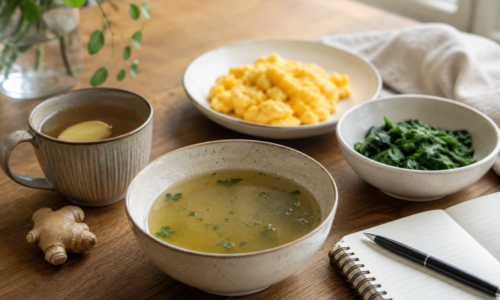
Flare-up days have a way of shrinking the whole world down to one question: “What can I eat that will not make this worse?”

Building a low-lectin lifestyle is easier when your meals have structure, flexibility, and a plan behind them. This category offers ready-to-use templates, weekly meal plans, shopping guides, and practical strategies to help you create balanced menus that support gut health and steady energy. Each resource is designed to simplify decision-making while giving you plenty of room to adapt meals to your preferences and schedule.
Whether you’re preparing your first low-lectin week or refining a long-term routine, these guides help you stay organized, reduce stress, and make food choices that align with your goals. Use this section anytime you want clarity, consistency, or a fresh spark of inspiration for your daily meals.
Flare-up days have a way of shrinking the whole world down to one question: “What can I eat that will not make this worse?”
For many people, the idea of a satisfying meal is still tied to something dense and starchy. A bowl of pasta, a pile of rice, or a thick slice of bread has long been associated with feeling full.
There is a moment that often arrives for people exploring a low lectin lifestyle. It usually comes after the research phase, after the pantry overhaul, and after the realization that food is more complicated than it first appeared.
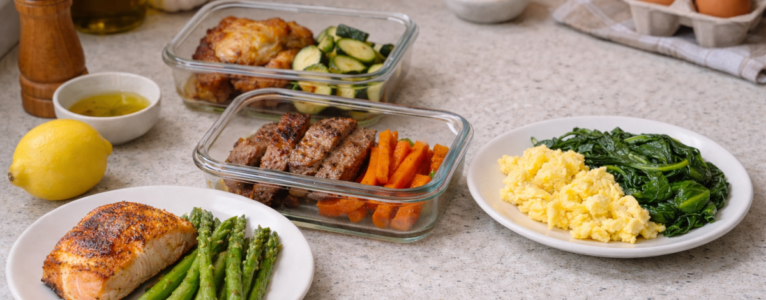
For many people, meal prep begins as a time-saving strategy. Cook once, eat all week, reduce stress, and stay on track. But when you step into the world of low-lectin eating, meal prep becomes something deeper.
Dinners are where most people feel the pressure. Breakfast can be simple, lunch can be leftover-driven, but dinner carries emotional weight, the ritual of settling in, feeding the body after a long day, and feeling like you “did your diet right.”