

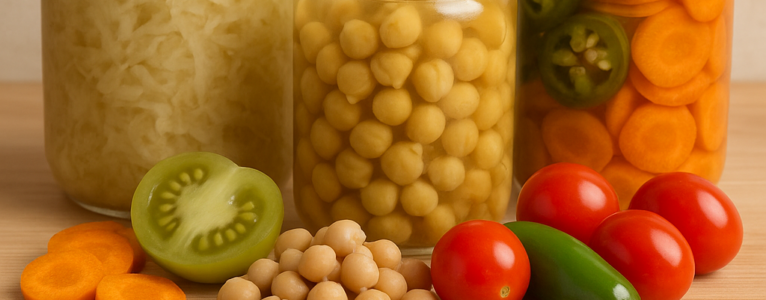

The first time you watch a jar of vegetables quietly bubble away on your counter, it’s hard not to feel like something ancient is waking up in your kitchen. Fermentation is one of humanity’s oldest food-preservation techniques, yet for many people exploring a low-lectin lifestyle, it becomes something much more, an unexpected doorway. Suddenly, foods that once irritated the gut or sat heavy after meals begin showing up in the diet again, transformed into gentler, friendlier versions of themselves. The shift can feel almost magical, but the science behind the transformation is anything but mysterious.
Fermentation is, at its core, a partnership. It is one between you and the invisible world of microbes that live on the surfaces of plants, in the air, and even in the salt you add to your brine. When handled with care, these microbes reshape the very structure of food, reducing compounds that may stimulate inflammation, while enhancing nutrients your body can readily use. For someone navigating high-lectin ingredients with caution, fermentation becomes both a craft and a solution, turning once-problematic foods into something nourishing, mellow, and surprisingly flavorful.
In this guide, we’ll explore the fundamentals of fermentation and how it works, why it changes high-lectin ingredients, and how to use it wisely as part of a low-lectin lifestyle.
Why Fermentation Matters for High-Lectin Foods
Lectins are complex, carbohydrate-binding proteins that appear in foods like beans, nightshades, grains, nuts, and seeds. While lectins aren’t universally harmful, many people sensitive to them experience digestive discomfort, bloating, or inflammation after eating foods that contain them in high amounts. Traditional cooking methods like pressure cooking help reduce lectin activity significantly, but fermentation offers another, less widely known pathway.
Microbes, particularly lactic acid bacteria, are uniquely equipped to break down certain types of lectins as they consume plant sugars and fibers during fermentation. This microbial restructuring can reduce the lectin impact of certain vegetables or legumes while increasing beneficial organic acids, vitamins, and enzymes. It’s not simply that fermentation removes potential irritants; it also improves the food’s digestibility and changes the environment in your gut in ways that help you handle these foods more comfortably.
For example, fermented soy products like tempeh and miso are widely tolerated even by those who struggle with unfermented soy. Green tomatoes or peppers, which normally must be peeled and deseeded to minimize lectins, become gentler when fermented whole or sliced into brine. Even grains and pseudo-grains, oats, sorghum, and buckwheat, benefit from fermentation because microbes break down lectin-containing proteins and enhance mineral absorption in the process.
Fermentation does not eliminate all lectins in all cases, but it can dramatically shift how your body interacts with these foods. Many people find they can include small amounts of fermented high-lectin vegetables or grains where the unfermented versions caused discomfort.
The Microbial Magic Behind Fermentation
At the heart of fermentation are bacteria and yeasts that thrive in low-oxygen environments, organisms that existed long before agriculture, long before cooking, and long before people started using salt to draw water out of vegetables. These microbes, particularly Lactobacillus species, feast on the natural sugars found in produce and convert them into lactic acid. As the acid level rises, the food becomes inhospitable to pathogens but ideal for the beneficial bacteria we want. This self-protective system is why a jar of properly salted carrots or cabbage rarely spoils. It becomes its own safe ecosystem.
What matters most in fermentation is balance: enough salt to prevent unwanted bacterial growth, enough submerged liquid to create an anaerobic environment, and enough time for the microbes to reshape the food. The transformation unfolds gradually. Vegetables soften slightly, flavors deepen, and a tangy aroma develops. Under the surface, enzymes reshape proteins and carbohydrates, reducing the impact of naturally occurring compounds, including lectins, and unlocking forms of nutrition the raw plant could not provide on its own.
One fascinating aspect of fermentation is that it can enhance a food’s nutrient density. B vitamins often increase. Antioxidants become more bioavailable. The food takes on a life of its own, and you, as the fermenter, are merely the caretaker.
How Fermentation Improves Digestibility
The gut is an ecosystem, and your microbiome acts like a second digestive system that is breaking down compounds your stomach alone cannot handle. By fermenting foods before they reach your plate, you’re giving your gut a head start. This is especially helpful when dealing with high-lectin ingredients, which can resist digestion and sometimes irritate the gut lining.
Here’s where fermentation shines:
1. Pre-Digestion of Proteins and Fibers
Lectins bind to carbohydrates and proteins. During fermentation, microbes begin breaking these structures apart, weakening the lectin-binding sites and reducing their potency. This “pre-digestion” creates food that is gentler on the stomach and friendlier to sensitive digestive systems.
2. Production of Organic Acids
Lactic acid helps regulate intestinal pH, discouraging harmful bacteria and supporting beneficial ones. A healthier gut environment helps improve resilience to foods that previously caused discomfort.
3. Enhanced Mineral Absorption
Many high-lectin foods also contain phytates, compounds that bind minerals like iron and zinc and make them harder to absorb. Fermentation naturally reduces phytates, improving nutrient availability and easing digestion.
4. Support for Immune Function
Because a large portion of the immune system exists in the gut, fermented foods support equilibrium. Reducing lectin-related irritation allows your immune system to focus on genuine threats, rather than reacting unnecessarily to food.
The overall effect is gradual but noticeable: what once caused discomfort becomes tolerable, and what was tolerable becomes energizing.
High-Lectin Foods That Benefit Most From Fermentation
Not every high-lectin food is an ideal fermentation candidate, but several respond exceptionally well, both in flavor and digestibility.
Beans and Legumes (after cooking)
Beans contain some of the highest lectin levels found in common foods. Fermentation alone is not sufficient to make dried beans safe. Heat is crucial but fermenting cooked beans can make them even easier to digest and add a gentle tang to dishes like hummus or bean spreads. Cultures around the world ferment cooked beans into everything from African ogi to Asian soy ferments.
Nightshades
Green tomatoes, peppers, and even peeled sliced eggplant can be fermented. In their raw state, these foods contain lectins primarily in their seeds and skins, but fermentation further softens their structure, reducing potential lectin-related irritation and giving them a mild, bright acidity.
Grains and Pseudo-Grains
Oats, sorghum, buckwheat, millet, and quinoa all respond well to souring or soaking ferments. A simple overnight soak with a spoonful of existing brine can transform their digestibility. Traditionally, many cultures instinctively fermented grains before cooking, long before the conversation around lectins and anti-nutrients existed.
Vegetables with Tough Skins or Fibers
Cabbage, carrots, radishes, garlic, and onions contain lectins in modest amounts. Fermentation doesn’t eliminate lectins entirely, but it changes the food enough to reduce digestive stress, especially for those with sensitive guts.
Understanding the Process: From Raw Ingredient to Fermented Food
The basics of fermentation can be learned in an afternoon, yet the practice carries a lifetime of nuance. Each ferment; whether cabbage, peppers, carrots, or cooked beans, follows the same principles.
Salt as a Gatekeeper – Salt prevents unwelcome microbes from taking over while creating a comfortable environment for lactic acid bacteria. The typical ferments use between 2–3% salt by weight, though some vegetables like cucumbers can require slightly more.
Submersion in Brine – Fermentation is anaerobic. Oxygen causes mold. Keeping vegetables submerged prevents spoilage and creates the perfect environment for fermentation to thrive.
Temperature Matters – Most ferments prefer temperatures around 65–72°F (18–22°C). Cooler temperatures slow the process, while higher temperatures can lead to overly sharp or mushy results.
Time Transforms the Food – A jar might be ready in three days or three weeks, depending on the vegetable, the salt level, and the temperature. As fermentation progresses, lectin structures continue breaking down, and flavors deepen.
Fermentation is a practice of observation. Each batch becomes a conversation with the food, a checking-in: Is it bubbling gently? Does it smell pleasantly sour? Have the colors shifted? The longer you ferment, the more intuitive the process becomes.
Safety and Lectins: What Fermentation Can and Cannot Do
Fermentation is powerful, but it isn’t a miracle cure for all lectins. Understanding its limitations is key to using it safely.
Beans Must Be Cooked First – No amount of fermentation destroys the highly toxic lectins in raw beans. They must be soaked and cooked, ideally pressure-cooked, before fermentation is considered.
Nightshades Still Contain Seeds – While fermentation improves digestibility, those extremely sensitive to nightshade lectins may still need to peel and deseed tomatoes or peppers before fermenting them.
Grains Benefit from Pairing Fermentation with Heat – Fermenting grains reduces lectins and phytates, but most grains still require cooking to become fully digestible.
Fermentation Reduces, Not Erases, Irritants – Some people are extraordinarily sensitive to lectins. For them, fermentation may offer improvement but not complete relief. Small servings and gradual experimentation are essential.
The Flavor Payoff: Fermented Foods Are Delicious
While health benefits motivate most people to explore fermentation, the real reward often becomes the flavor. Fermented vegetables develop a natural complexity that is sour, bright, tangy, slightly sweet, often with a crunch, that raw vegetables can’t match. Whole cuisines have been built around these flavors, from Korean kimchi to German sauerkraut to the pickled peppers and vegetables found throughout the Mediterranean and Middle East.
Fermented foods also deepen savory dishes. Adding a spoonful of fermented tomato paste or pepper mash to a sauce creates depth without heaviness. Fermented grains form the foundation of sourdough breads and porridges with a flavor that feels both rustic and comforting.
When you ferment high-lectin vegetables, that signature tang becomes a sign of transformation. It’s the taste of lectins being mellowed, fibers softened, and nutrients unlocked.
Using Fermentation in a Low-Lectin Lifestyle
Integrating fermented foods into a low-lectin diet doesn’t require dramatic changes. It’s more about adding thoughtful touches throughout your meals like small servings, strategically placed, that support digestion and widen your options.
- Add a tablespoon of fermented peppers to scrambled eggs or sautéed vegetables.
- Use fermented carrots or cabbage alongside protein-rich meals to support gut function.
- Stir fermented cooked beans into dips or spreads to create creamy, probiotic-rich bases.
- Ferment a batch of peeled, deseeded green tomatoes for a bright topping on roasted meats.
- Ferment your grains overnight before cooking for breakfast porridges that sit lighter in the stomach.
These aren’t dramatic changes, but each one shifts your relationship with formerly problematic foods and helps extend variety without compromising gut comfort.
A Return to Something Ancient
For most of human history, fermentation wasn’t a hobby. It was survival. It kept harvests edible through winter, transformed wild produce into nutrient-rich staples, and shaped entire culinary traditions. Ironically, as modern kitchens moved toward sterile, refrigerated environments, fermentation faded out of everyday life. Now, as people struggle with digestive issues and sensitivities, we find ourselves returning to this ancient practice for answers our ancestors intuitively knew.
Fermentation gives us more than a method for reducing lectins or improving digestion. It offers a way to reconnect with food to slow down, to watch, to participate in a natural process that has nourished generations before us. At a time when diets feel overloaded with rules and restrictions, fermentation introduces creativity, agency, and exploration.
It’s not about recreating the past; it’s about rediscovering tools that make the future of your health more resilient.
Conclusion: A Gentle Path Forward
Turning high-lectin ingredients into gut-friendly foods isn’t about avoiding everything that might cause discomfort. It’s about understanding how food works and how your body interacts with it. Fermentation is one of the most powerful tools available for transforming ingredients that once felt off-limits. It softens lectin-related effects, awakens beneficial microbes, supports digestion, and enriches the flavor palette of your meals.
Most importantly, fermentation offers a sense of partnership with the food you prepare. Each jar becomes a quiet experiment, a gesture of patience, and a step toward expanding what your gut can comfortably handle. For anyone cultivating a low-lectin lifestyle, fermentation isn’t simply an optional technique. It’s a path to variety, enjoyment, and sustainable long-term success.