

Most people imagine lectins as something you can spot with the naked eye; big, bold, obvious. A pot of beans simmering on the stove. A plate of tomatoes glistening with olive oil. A handful of peanuts at a barbecue. These are the foods that get attention because they are familiar, easy to identify, and repeatedly mentioned in conversations about lectin awareness. But the tricky part of eating low-lectin isn’t usually the foods you knowingly place on your plate. It’s the quiet, unassuming ingredients tucked into recipes, sauces, baking mixes, and even “healthy” convenience foods, the lectins that hitch a ride into meals without drawing attention to themselves.
Hidden lectins are the culinary equivalent of background noise. You may not notice them consciously, but they can shape the way your body feels after you eat. For someone who is sensitive or navigating a low-lectin lifestyle, learning where lectins hide becomes just as important as avoiding the well-known sources. And once you start paying attention, you realize how effortlessly these ingredients slip into everyday cooking, even when you think you’ve made safe choices.
This is the story of the unexpected places lectins show up, why they matter, and how becoming aware of them can transform the way you cook and eat.
When “Safe” Foods Aren’t as Simple as They Look
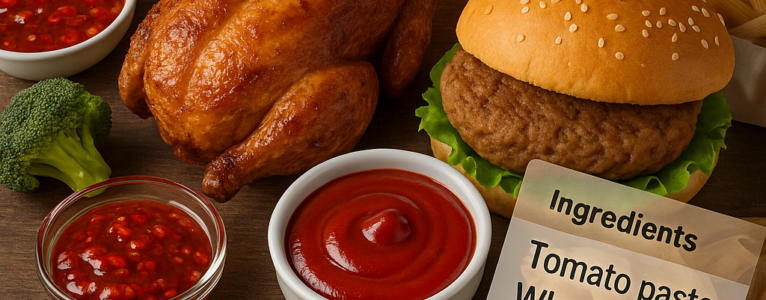
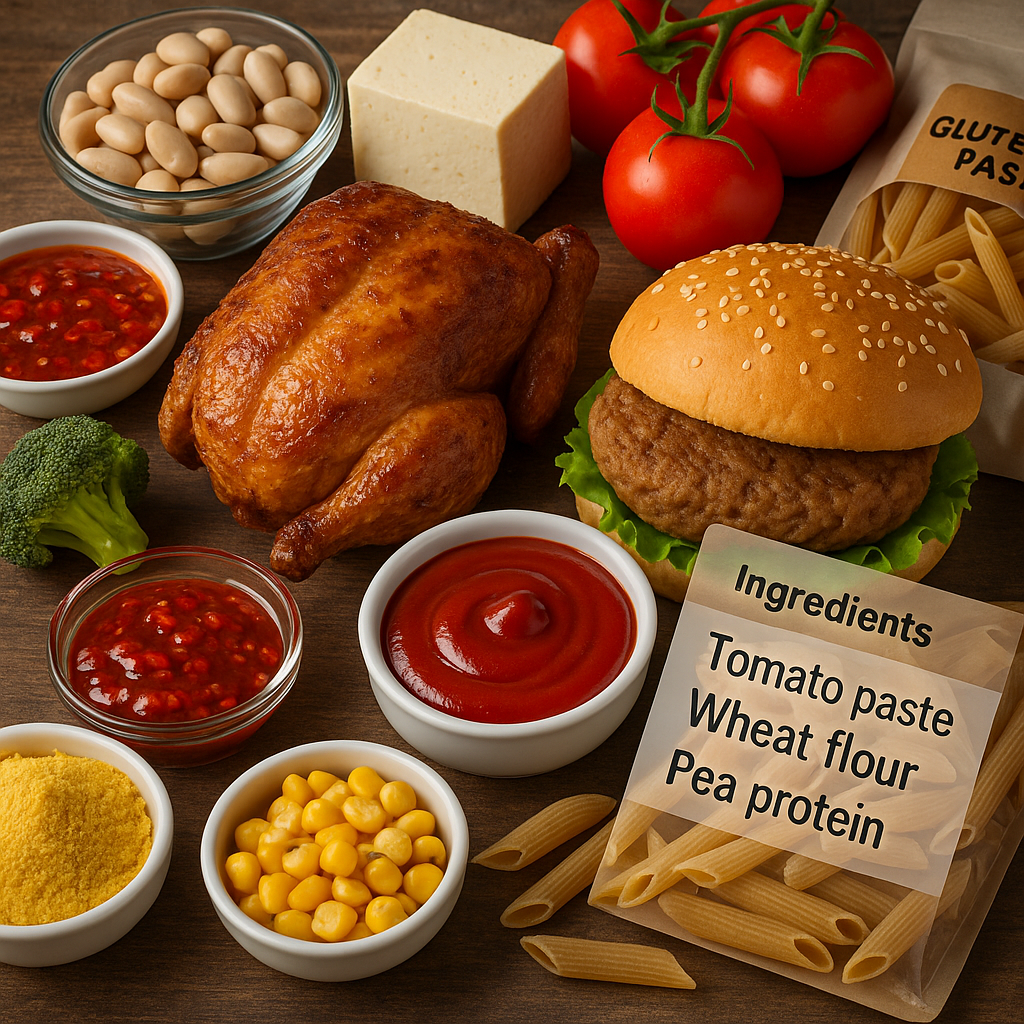
One of the first surprises people encounter when exploring low-lectin eating is just how often lectins appear in foods that seem innocent. Consider a classic roast chicken—something that fits beautifully within low-lectin guidelines. The protein itself isn’t the issue. But brush it with a store-bought marinade, and suddenly you’ve introduced tomato paste, pepper flakes, or soy-based thickeners. All of these contain lectins that weren’t part of your original plan.
The same thing happens with vegetables that are otherwise low in lectins. A bowl of steamed broccoli? Perfect. Add a cheese sauce made from a packaged mix, and the base of that mix may include corn starch, wheat flour, or pea protein, all high-lectin ingredients that change the nutritional landscape of what looked like a clean dish.
This creeping effect creates a sense of mystery for people new to the low-lectin lifestyle. They cut out beans, grains, and nightshades, yet still experience digestive discomfort, inflammation, fatigue, or brain fog. The problem is rarely recklessness. More often, it’s a lack of understanding about how deeply embedded lectins are in the modern food system.
Once you begin to unravel where they hide, everything comes into focus.
The Pantry Minefield: Mixes, Flours, and “Healthy” Alternatives
One of the biggest sources of hidden lectins is baking ingredients, especially the ones marketed as better-for-you options. Many gluten-free products rely on lectin-heavy flours such as:
- Chickpea flour
- Lentil flour
- Pea protein powder
- Soy flour
- Corn flour
- Oat flour
These are often billed as nutritious substitutes, and in many ways they genuinely are. But for someone avoiding lectins, they are anything but benign. A single gluten-free tortilla can contain multiple lectin-rich ingredients that combine to create digestive chaos.
Even people who cook mostly whole-food meals end up surprised by how many hidden lectins show up in their own pantry. The rise of plant-based proteins has made this issue even more noticeable. While the intention is good, more protein and fewer processed ingredients, the methods often rely on concentrated lectin-containing powders. Pea protein is one of the most common culprits, appearing in everything from milk alternatives to energy bars.
To the untrained eye, these substitutes look like upgrades. But the body often feels the difference long before the mind catches up.
Sauces and Condiments: The Silent Hitchhikers
Sauces may be the sneakiest lectin source of all because they hide behind flavor rather than structure. You taste the sweetness, the tang, or the spice, but you rarely think about the foundation holding the sauce together.
Tomato paste, pepper extracts, and soy-based thickeners frequently appear in:
- Barbecue sauces
- Chili pastes
- Salsa blends
- Ketchup variations
- Curry bases
- Marinades and glazes
- Stir-fry sauces
- Salad dressings
Even when tomatoes or peppers aren’t listed as main ingredients, they might be included for color or acidity. Meanwhile, thickening agents such as wheat, oat, rice, or corn starch help preserve texture, extend shelf life, or give a sauce its signature cling. These additions rarely draw attention because they’re part of the fine print.
The cumulative effect matters. You might be eating only a tablespoon of sauce at a time, but those tablespoons stack up across a week. Before you know it, you’ve consumed more lectins than you intended, even when the rest of your meal is meticulously chosen.
Restaurant Meals: A World of Unknowns
Dining out adds another layer of complexity. Restaurant kitchens rely on consistency, cost-effectiveness, and efficiency, which means pre-made sauces, spice blends, and marinades are essential. These mixes often contain lectin-rich ingredients even when the final dish doesn’t obviously contain them.
A simple grilled steak at a restaurant might be seasoned with a spice blend containing paprika or chili powder. That same steak may have been brushed with a glaze containing tomato or flour-based thickener. The vegetables next to it may have been tossed in a sauce thickened with cornstarch. None of this is visible to the diner.
This doesn’t mean you can’t eat out while living low-lectin. It simply reinforces the idea that hidden lectins are part of the culinary backdrop. Understanding this allows you to make more informed choices; asking for plain preparations, choosing simpler dishes, and avoiding meals that are pre-assembled or heavily sauced.
The trick is not perfection. The trick is awareness.
Plant-Based and Vegan Products: Beautiful Intentions, Hidden Complications
Plant-based products have exploded in popularity over the past decade. Burgers, sausages, nuggets, milks, yogurts, and protein shakes now fill entire aisles. Many people turn to them as healthier alternatives to traditional dairy or meat. But hidden inside these products is one of the highest concentrations of lectins in modern packaged foods.
Most plant-based proteins rely on:
- Pea protein isolate
- Soy protein isolate
- Lentil flour
- Chickpea flour
- Oat base or oat milk
- Wheat gluten (in some vegan meats)
These aren’t being added in small amounts. They form the structural backbone of the product.
Again, this isn’t an argument against plant-based diets. It’s an invitation to recognize that “plant-based” doesn’t automatically mean “low-lectin.” Many people who experience digestive discomfort with vegan meat alternatives assume they’re reacting to spices, oils, or preservatives. When the truth is that the lectin content may simply be too high for their personal sensitivity.
Once you learn to decode ingredient lists, the picture becomes clear.
The Blended Ingredients Problem
Another challenge is that many foods rely on blends like flour blends, spice blends, protein blends, or vegetable purées. These become tricky because they create ambiguity. You may see a label that lists “vegetable powder” or “natural flavor,” and without more detail, you have no way of knowing whether a lectin-rich vegetable is present.
Some of the most common blend categories that contain hidden lectins include:
- Gluten-free flour blends
- Protein shake blends
- Mixed spice packets
- Pre-made bouillon bases
- Vegetable broth concentrates
- Meat substitutes
- Health bars and energy balls
- Frozen vegetarian entrées
Manufacturers use broad terms because they allow ingredients to be swapped depending on availability, cost, and season. This flexibility helps keep food production affordable, but it makes lectin awareness more difficult.
Your goal isn’t to memorize every blend formulation on the market. It’s simply to recognize that blends are red flags or places where lectins may hide, even if the package seems harmless.
Cooking Methods That Change the Equation
One of the most fascinating things about lectins is that cooking methods significantly influence how the body responds to them. Pressure cooking can reduce the lectin content of beans, potatoes, and some grains to levels that are tolerable for many people. This is why a bean-based soup that leaves you feeling fine at home may cause issues when eaten at a restaurant. The home version was pressure-cooked; the restaurant batch was simmered on low heat for hours.
Similarly, a tomato sauce made from peeled, deseeded, and pressure-cooked tomatoes behaves differently than a sauce made from raw tomato purée.
Cooking technique doesn’t just affect taste. It alters the chemistry of the food.
This is another reason hidden lectins matter. You may avoid certain foods entirely because you’ve had reactions to them but the reaction may be tied to the preparation method, not the ingredient itself. Once you understand the difference, your food world expands rather than shrinks.
Why Hidden Lectins Can Trigger Symptoms So Easily
Hidden lectins often create more noticeable reactions than obvious sources for two key reasons:
1. They bypass your awareness. – If you know you’re eating beans or tomatoes, you anticipate how you may feel afterward. You’re mentally prepared. When lectins are sneaking in through a sauce or mix, the reaction feels unpredictable, which can be more frustrating.
2. The combination effect is stronger than people realize. – A small amount of lectin from one ingredient may not cause a reaction. But a small amount from three or four sources in the same meal? That adds up quickly. Your body doesn’t care whether the lectins came disguised inside a marinade or a flour blend. It only responds to the cumulative total.
This explains why some meals leave people feeling confused. Nothing seemed obviously problematic, yet the symptoms appeared anyway. The hidden lectins were simply working together.
Becoming an Ingredient Detective (Without Losing Joy in Food)
Learning to identify hidden lectins is less about strict rule-following and more about cultivating a kind of quiet awareness. You become a more thoughtful cook. You ask better questions at restaurants. You read packaging with new eyes, not in a paranoid way, but with curiosity.
Over time, this awareness becomes second nature. You start noticing patterns:
- Sauces usually contain tomato or pepper derivatives.
- Gluten-free doesn’t always mean lectin-free.
- Vegetarian proteins often rely on legumes.
- Thickened soups almost always use wheat or corn starch.
- Frozen meals use lectin-heavy fillers to stabilize texture.
These insights don’t restrict your life. They empower it. The goal isn’t to eliminate every hidden lectin forever. The goal is to understand your body well enough to make choices that feel intentional rather than accidental. Food becomes more enjoyable, not less.
A Healthier, More Informed Way Forward
Hidden lectins are not villains. They are simply part of a world where foods are blended, processed, preserved, spiced, thickened, and flavored in ways our great-grandparents never imagined. Modern cooking is complex. Modern food science is even more so. The result is a system where lectins appear far beyond their natural sources.
For people who are sensitive to them or simply curious about lowering their intake, discovering where lectins hide becomes a journey toward clarity. You begin decoding ingredient lists the way some people read poetry: with attention, nuance, and an appreciation for layers. You learn which foods make your body feel energized and which ones don’t. You experiment, adjust, and grow more confident with each meal.
As you uncover the hidden lectins in your diet, you become a more intuitive eater. You reclaim authority over your own well-being. And you start to realize that this lifestyle isn’t about restriction, it’s about awareness, empowerment, and the simple joy of knowing exactly what nourishes you.