


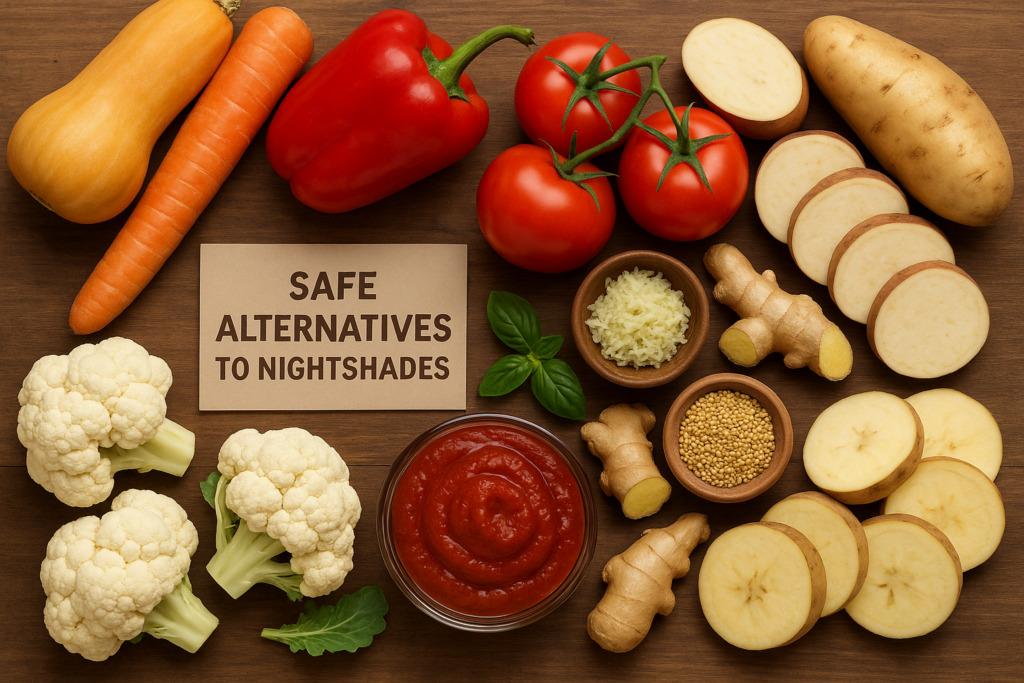
For many people exploring a low lectin or lectin cautious lifestyle, the nightshade family becomes one of the earliest puzzle pieces to examine. Tomatoes, peppers, potatoes, and eggplants are celebrated ingredients around the world, which means their removal often feels like the loss of entire cuisines. They bring acidity, heat, creaminess, and comforting starch to everyday meals, so it makes sense that people often feel hesitant when told they may need to minimize or avoid them. Yet nightshade reduction is not about deprivation. It is about noticing how your body interacts with certain compounds and then finding creative ways to recreate the flavors and textures you love.
One of the most encouraging parts of this journey is discovering that most of what we enjoy in cooking is not tied to a single plant family. Flavor, structure, and satisfaction can be rebuilt from many ingredients that offer similar culinary effects without the lectin content or alkaloids that trouble sensitive individuals. Learning the nature of these swaps is the key to making a low lectin lifestyle feel flexible rather than restrictive.
Understanding What Makes Nightshades Challenging
Nightshades contain compounds like lectins and alkaloids, which are natural protective molecules that help the plants defend themselves. In small quantities most people tolerate these compounds without issue, but others may experience digestive distress, joint discomfort, skin irritation, or inflammatory responses when eating them regularly. Tomatoes, for example, contain lectins that are resistant to breakdown unless subjected to prolonged heat or pressure cooking. Peppers, especially hot peppers, contain capsaicin, which can intensify irritation in people whose gut lining is already compromised. Potatoes contain a different type of lectin entirely along with glycoalkaloids that become more concentrated when the potato sprouts or turns green.
This does not mean nightshades are inherently harmful for everyone. They contain nutrients, antioxidants, and enjoyable flavors. The concern arises when the balance between these benefits and an individual’s sensitivity tips toward discomfort. Once someone begins paying attention to these reactions, they often notice that meals built around nightshades have been quietly affecting them for years. Recognizing the connection is often the first turning point in reducing symptoms.
The Emotional Shift of Replacing Comfort Foods
Letting go of a familiar ingredient rarely feels like a technical swap. It feels personal. Tomatoes might remind someone of childhood pasta dinners. Crispy potatoes often feel like the universal companion to comfort foods. Peppers make people think of family recipes or cultural dishes they love. When these foods must be limited, it can bring a sense of loss far beyond the ingredient itself.
This emotional adjustment deserves acknowledgment because it directly influences the success of dietary change. If a person feels that eliminating nightshades removes joy from their cooking, they are less likely to sustain the shift. On the other hand, once they discover that alternative ingredients can recreate the same sense of satisfaction, they feel empowered rather than restricted. The goal is not to forget tomatoes or potatoes. It is to build new flavor maps that allow similar results from lectin friendly ingredients.
Creating Tomato Alternatives That Do Not Feel Like Sacrifice
Tomatoes provide acidity, sweetness, depth, and a specific kind of body in sauces. Many people assume these qualities are irreplaceable until they experiment. The most common and effective substitute involves using combinations of roasted vegetables such as carrots, butternut squash, beets, and onions. When pureed together, they create a smooth base with natural sweetness and a visually familiar hue. A small amount of vinegar or lemon juice reintroduces the tang that people usually attribute to tomatoes.
Another trick many enjoy is adding fresh herbs like basil or oregano alongside slow cooked aromatics. These herbs subconsciously evoke Italian flavors, which helps people feel grounded even when the sauce contains no tomato at all. A little paprika flavor can be mimicked with non nightshade spices like turmeric or saffron mixed with a hint of smoky salt. None of these ingredients taste exactly like tomatoes, but the combination satisfies many of the same culinary roles. People often remark that after a few meals they stop missing the original ingredient and start appreciating the richer and more complex flavors created by vegetables that were previously background players.
Finding Flavor Without Peppers
Peppers are tricky, especially for people who love spicy food. They offer heat, fruitiness, and aromatic depth, which makes them cornerstones of cuisines from Latin America to Asia. Removing them can feel like removing the personality from a dish. The key is to separate the idea of heat from the pepper itself. There are many sources of warmth and complexity that do not come from nightshades.
Ginger offers a sharp and lively sensation that mimics a type of heat without relying on capsaicin. Horseradish and wasabi provide a sinus clearing intensity that people often find surprisingly satisfying in dishes where they once depended on chili. Mustard seeds create a warm bloom of spice that spreads through a meal. Even black pepper, which is not a nightshade, offers enough punch to replace some of the impact of mild chilis.
On the savory side, spices like cumin, coriander, cinnamon, and cloves allow cooks to build aromatic layers that give the perception of intensity without needing peppers. Many traditional cuisines already use these spices in combination with or even instead of nightshades. Once someone experiments with these swaps they often discover new flavor profiles that feel exciting rather than like second best versions of their former favorites.
Replacing Potatoes Without Losing Comfort
Potatoes offer starch, fluffiness, crispness, and a neutral flavor that pairs with almost anything. Lectin friendly alternatives exist, but the trick is pairing the right substitute with the right cooking method. For mashed dishes, cauliflower, parsnips, and turnips create creamy textures when steamed or roasted and then blended with olive oil or butter. Many people enjoy mixing two or three of these vegetables because the combination provides depth and a fuller mouthfeel.
If someone wants something like a roasted or pan fried potato, Japanese sweet potatoes and white sweet potatoes are the closest in texture while still being lectin friendly once peeled. They crisp beautifully, caramelize slightly, and bring a comforting sweetness. Cassava offers a dense and satisfying chew, especially when cut into wedges and baked. Plantains, especially the firm green ones, give a starchy bite similar to potatoes when fried or baked. While these substitutes differ from conventional potatoes, they cover the same emotional territory. They feel hearty, grounding, and familiar.
How Alternative Ingredients Change Cooking Creativity
When someone begins relying on these replacements they often discover a broader and more adventurous cooking style emerging. Removing an ingredient that once held a fixed place in every meal forces the mind to ask new questions. What flavor am I really chasing? What texture do I want? How can I build a dish that achieves the same satisfaction without depending on a single plant family?
Over time, many people find that their cooking becomes more colorful and vibrant. They use a wider array of vegetables. They explore spices they once overlooked. They try new methods such as roasting instead of simmering or blending instead of frying. A low lectin cooking journey becomes less about restriction and more about expansion. Many individuals later describe their pre nightshade free cooking as limited compared to what they learned afterward.
Learning to Listen to Your Body During the Transition
The shift away from nightshades is not only a change in cooking habits. It is also an experiment in physiology. People often report feeling differences in joint comfort, digestive ease, mood, or even skin clarity. These improvements may appear within days for some individuals, while for others the reaction is slower. What matters is recognizing patterns without rushing to conclusions. The body has cycles of inflammation and repair that do not always correspond directly with a single meal. Tracking symptoms consistently helps reveal whether nightshade avoidance truly benefits someone.
If symptoms improve, the next step for many is occasional reintroduction to test tolerance. Some people find that peeled and pressure cooked tomatoes or peppers sit well with them, while raw forms do not. Others discover they can tolerate potatoes only when they have not sprouted or greened. Others find that any form of nightshade continues to trigger symptoms and prefer to stay fully nightshade free. Each response is valid. The body offers the data needed to guide the decision.
The Importance of Mindset When Choosing Alternatives
Choosing alternatives works best when framed as a positive development rather than a sacrifice. The moment someone stops thinking of an ingredient as a forbidden item and instead sees the change as a chance to create something new, the transition becomes much easier. Food carries memories and emotional significance, so changes often bring temporary discomfort. That discomfort fades once new food traditions form.
People who thrive with long term lectin conscious or nightshade free cooking describe a sense of agency and understanding that grows with time. They learn what makes their body feel better. They discover dishes that bring them joy without triggering symptoms. They reconnect with cooking as an act of exploration instead of a routine.
Building Meals That Still Feel Like Home
Safe alternatives work best when they do more than mimic nightshade based dishes. The real magic happens when new recipes become favorites in their own right. A vegetable based marinara becomes a go to comfort sauce. A ginger and mustard spiced soup replaces an old chili recipe. Crispy baked Japanese sweet potatoes become the standard side dish for any protein. Over time these new staples feel just as familiar and beloved as the recipes they replaced.
Cooking traditions evolve constantly across cultures and generations. Ingredients change based on availability, climate, trade, and personal preference. Your own kitchen can follow the same path. The removal of tomatoes, peppers, or potatoes becomes a prompt that pushes your cooking into a new chapter rather than a nostalgic longing for what once was.
Moving Forward With Confidence
A nightshade free or nightshade limited lifestyle does not need to feel restrictive. Once someone understands the nature of the compounds in these plants and how their own body responds to them, it becomes easier to step confidently into a new way of cooking. Every replacement adds a tool to your culinary toolbox. Every discovery strengthens your connection with your health and your creativity.
Tomato alternatives bring new depth. Pepper free spices bring new heat. Potato substitutes bring new comfort. These foods reshape the landscape of your meals without taking away the pleasure of eating. In time, many people find their table richer, more diverse, and more satisfying than before.
This guide is not about giving up your favorite dishes forever. It is about learning to build new ones that honor your health, your tastes, and your curiosity. Nightshades may be iconic, but they are not irreplaceable. With knowledge and experimentation you can create meals that support your wellbeing and keep your love for cooking alive.