

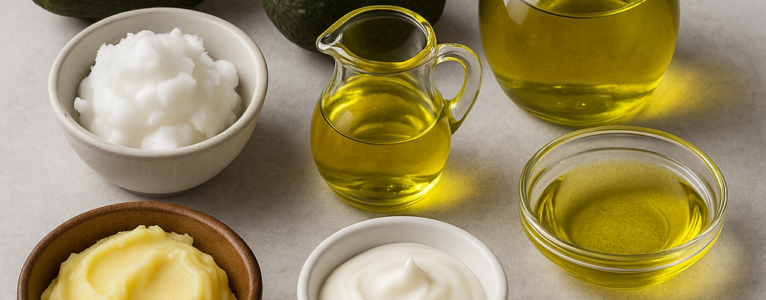
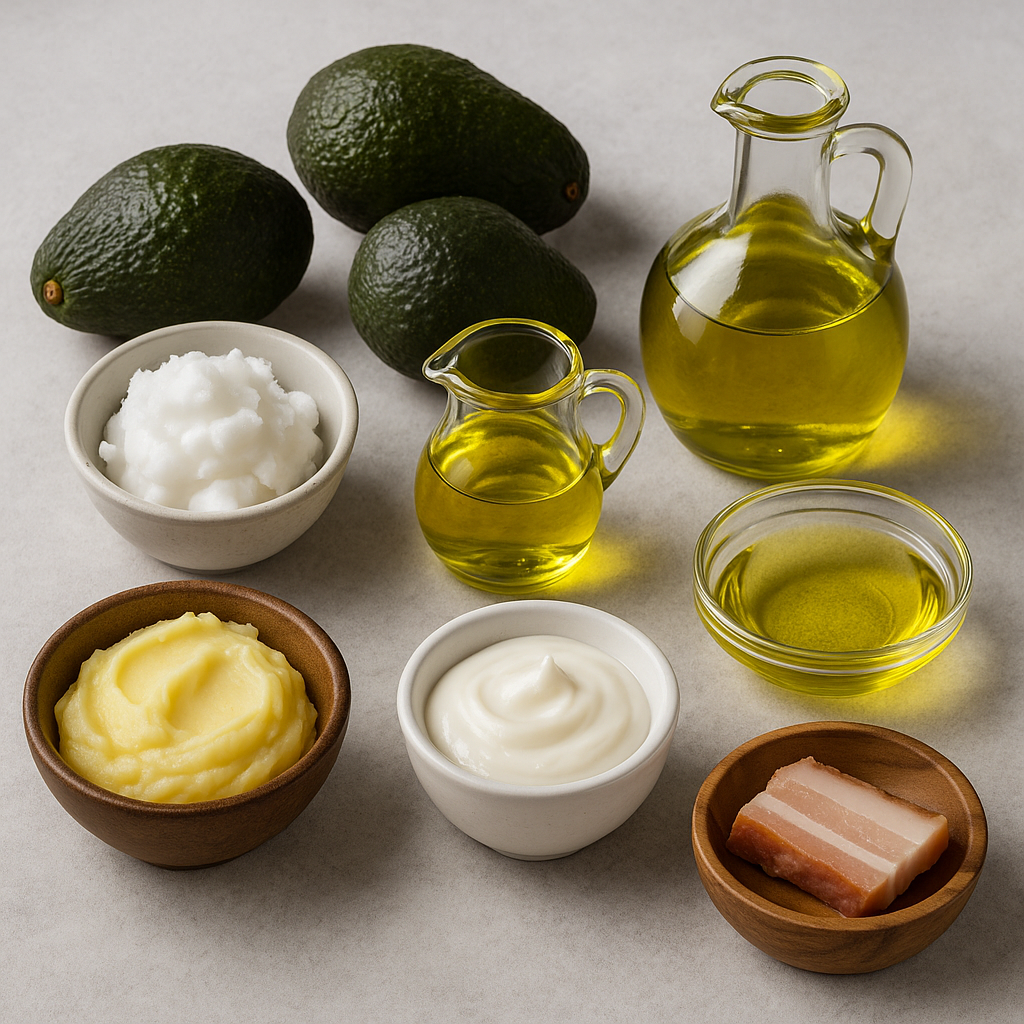
When people first shift toward low lectin eating, they usually focus on the obvious swaps. They rethink bread, beans, nightshades, and the usual “quick” staples. But the most quietly powerful change often happens in the pan.
Oils and fats are not just calories. They are the cooking medium that touches nearly everything you eat. They affect texture, flavor, and how satisfied you feel after a meal. They also change chemically when heated, and those changes matter more than most people realize. A low lectin kitchen tends to rely on simple whole foods and gentler preparation methods, which makes your choice of fat even more important because you are using it repeatedly, sometimes several times a day.
The goal is not to find one perfect oil. The goal is to build a small lineup that matches how you actually cook: one or two fats for high heat, one for dressings and finishing, and maybe a specialty option you enjoy. Once you do that, cooking becomes easier, and your meals become more consistent.
What Makes an Oil a Good Fit for Low Lectin Cooking
Low lectin eating is not a “fat free” approach. In many versions of it, fats help replace the missing convenience calories that used to come from refined grains and processed snacks. But not all fats behave the same way.
A practical low lectin fat choice usually comes down to three things.
First is heat stability. When oils are heated beyond what they tolerate, they oxidize, break down, and produce off flavors and potentially irritating compounds. This is not about fear, it is about keeping your cooking clean and predictable. A fat that stays stable at the temperature you use most often is a better daily driver.
Second is processing and purity. Highly refined oils can be neutral and useful for frying, but some people prefer minimally processed options for everyday cooking. Cold pressed oils can retain more aroma and micronutrients, but they are often less suitable for high heat. In a low lectin kitchen, it helps to know which category each oil falls into so you are not forcing the wrong tool into the wrong job.
Third is personal tolerance. Low lectin eating is usually chosen because someone is trying to reduce symptoms, calm inflammation, improve digestion, or figure out food triggers. That means your “best oil” is partly determined by how your body responds. An oil that is ideal on paper is not ideal if it consistently makes you feel heavy, nauseated, refluxy, or inflamed.
The Heat Question That Changes Everything
A common mistake is buying a beautiful oil and then cooking everything with it on high heat. That is how people end up saying, “I guess olive oil doesn’t work for me,” when the real issue was that the oil was used outside its comfort zone.
In a low lectin kitchen, you can simplify this by thinking in two lanes.
- High heat lane is searing, frying, browning meat, crisping vegetables, and cooking in stainless steel or cast iron when the pan gets properly hot.
- Low to medium lane is sautéing, gentle cooking, roasting at moderate temperatures, baking, and simmering where the oil is not being abused.
- Then there is the no heat lane: dressings, drizzles, dips, and finishing touches where flavor is the entire point.
If you assign your oils to lanes, you avoid most problems before they start.
Olive Oil as the Everyday Backbone
Extra virgin olive oil is the classic daily fat for good reason. It is widely available, it tastes like real food, and it works across a wide range of cooking styles. In a low lectin kitchen, it shines because so many meals revolve around vegetables, seafood, poultry, and simple dressings.
For gentle cooking, extra virgin olive oil performs well. It is excellent for sautéing at moderate heat, roasting vegetables, and building flavor early in a dish. It is also the king of finishing: a drizzle over a bowl of soup, a spoonful over roasted cauliflower, or a quick vinaigrette that makes leftovers taste brand new.
The quality matters. A fresh, well stored extra virgin olive oil tastes peppery or grassy, not flat or waxy. Keep it away from heat and light, and do not treat a big bottle like it is immortal. If you use olive oil daily, buying smaller bottles more often can keep flavor and quality consistent.
If you want olive oil for higher heat, consider refined olive oil or “light” olive oil, which is more neutral and usually more heat tolerant. You lose some of the aromatic character, but you gain flexibility for browning and frying.
Avocado Oil for High Heat and Neutral Cooking
Avocado oil is a favorite in many low lectin kitchens because it is neutral and typically handles higher heat cooking better than delicate, aromatic oils. If you want one bottle you can use for searing proteins, pan cooking, and roasting without constantly thinking about it, avocado oil often fills that role.
Neutral oils have an underrated benefit: they let your food taste like food. If you are building a low lectin routine that relies on herbs, citrus, garlic, and simple seasoning, a neutral oil stays out of the way.
The drawback is that avocado oil is often more expensive, and the market quality can be inconsistent. If the oil smells stale, overly fishy, or oddly plasticky, it is worth trying a different brand. When it is good, it should smell mild and clean.
Coconut Oil and MCT Oil as Specialized Tools
Coconut oil divides people. Some feel great on it and love the subtle sweetness. Others find it heavy or notice that it does not sit well. In a low lectin kitchen, coconut oil is best seen as a specialty fat rather than the universal default.
It can work well for medium heat cooking and baking where its flavor makes sense. It also performs nicely when you want crisp edges or a richer mouthfeel, especially in dishes that lean toward curry spices, cinnamon, or tropical flavors.
MCT oil is even more specialized. It is not meant for high heat cooking. People usually use it for blending into coffee, smoothies, or sauces when they want quick energy and easy digestion. If you try it, start small. Some people tolerate it well, while others learn very quickly that their digestive system has opinions.
Ghee and Clarified Butter for Classic Comfort
Ghee, also called clarified butter, has a strong place in many low lectin kitchens because it combines comfort flavor with better heat tolerance than regular butter. The milk solids are removed, which reduces burning and gives it a clean, nutty aroma.
Ghee is excellent for sautéing, pan cooking, and adding richness to vegetables that might otherwise feel too lean. It also makes simple meals feel finished. A spoonful on steamed greens or mixed into cauliflower mash can change the entire vibe of dinner.
If dairy sensitivity is part of why you are doing low lectin, ghee can be a useful experiment because it contains less of the components that trigger some people. But it is not guaranteed to be tolerated. Your body is the final judge.
Regular butter can still have a role, especially for low heat cooking and finishing, but it burns more easily. If you like butter flavor and want to cook hotter, ghee is the smoother option.
Animal Fats That Make Real Food Taste Like Real Food
Some low lectin kitchens lean heavily into traditional fats like tallow, lard, duck fat, and bacon fat. These are not trendy because they are new. They are trendy because they work.
For high heat cooking, tallow can be remarkably stable and flavorful. It is especially useful for crisping vegetables, cooking burgers, and making anything taste more substantial. Duck fat has a reputation for a reason. It turns roasted vegetables into something that feels like restaurant food, especially when paired with herbs and salt.
Lard varies in quality. If it is poorly rendered or overly processed, it can taste off. If it is clean and well sourced, it can be a neutral, stable cooking fat with a soft texture that works well in certain recipes.
Bacon fat is delicious, but it is not an all purpose health fat. It is best used like seasoning, not like the main oil you cook everything in. A spoonful to start a pan of greens can be magic. Turning every meal into bacon oil cuisine is a different lifestyle.
The main advantage of animal fats is that they feel satisfying. When you remove high lectin staples, satisfaction matters. Meals that leave you hungry are the meals that lead to snack hunting later.
The Seed Oil Question Without the Drama
Many people come to low lectin eating already suspicious of industrial seed oils. Others do not care and just want the most practical cooking setup. The truth is that there is nuance here, and it helps to keep the discussion grounded.
Highly refined seed oils like canola, soybean, corn, safflower, and sunflower are common in processed foods because they are cheap, neutral, and shelf stable. In a low lectin kitchen that emphasizes whole foods, you naturally reduce them simply by cooking at home more often. That alone can be a big shift.
If you do use seed oils, it is worth being selective. High oleic versions of sunflower or safflower oil are formulated to be more stable and can be useful for high heat cooking. They are often found in restaurants for that reason. But many people prefer to rely on olive, avocado, ghee, or animal fats because they feel better on them or because those fats align more closely with a traditional whole food kitchen.
Rather than turning this into a purity contest, a simple rule works: minimize processed foods, choose oils that match your heat needs, and pay attention to how you feel.
Oils That Are Best Saved for Dressing and Finishing
Some oils are too delicate or too valuable to cook with at high temperatures. They are still excellent in a low lectin kitchen, just in the right role.
Flaxseed oil, walnut oil, and hemp seed oil can be nutrient rich and flavorful, but they are typically best used cold. Think salad dressings, drizzles over cooked vegetables, or blended into sauces. These oils can go rancid faster, so small bottles and refrigeration are often smart.
Sesame oil, especially toasted sesame oil, is a flavor weapon. It is usually used in small amounts for aroma and finishing rather than as the main cooking oil. A few drops can make a simple bowl of vegetables taste like a completely different cuisine.
These finishing oils are not required, but they can make a low lectin routine feel more varied, which helps long term adherence.
How to Build a Simple “Three Fat” System
If you want a low lectin kitchen that feels effortless, create a small system instead of a huge collection.
- Pick one high heat workhorse. Avocado oil, ghee, tallow, or refined olive oil are common choices.
- Pick one everyday flavor oil. Extra virgin olive oil is the usual anchor here.
- Pick one finishing or specialty option. This could be toasted sesame oil, walnut oil, or even just butter for a final touch.
That is enough for most people. You can add more later, but the point is to reduce decision fatigue while keeping your cooking flexible.
Storage and Freshness Matter More Than Most People Think
Even the best oil becomes a problem if it is old, overheated, or stored poorly. If your oils sit next to the stove in direct light, they age faster. If you keep a giant bottle open for a year, flavor and quality will drift.
A few practical habits help.
- Buy quantities you will use within a few months.
- Store oils in a cool, dark cabinet.
- Keep lids tight.
- Smell your oil occasionally. If it smells like crayons, stale nuts, or old paint, do not try to “use it up.” It is not worth it.
These habits are not about being strict. They are about keeping your food tasting good so the lifestyle is easier to maintain.
The Best Oil Is the One That Helps You Stay Consistent
The most helpful way to think about fats in a low lectin kitchen is that they are part of your rhythm. When the right fats are within reach, cooking becomes simpler. You stop feeling like you are missing something. Meals feel satisfying, and your body has a steadier experience day to day.
Extra virgin olive oil often becomes the heart of the kitchen. Avocado oil, ghee, or a traditional animal fat often takes the high heat job. Specialty oils come in when you want a specific flavor or texture.
If you keep it simple, your food will improve, your routines will stabilize, and you will spend less time overthinking every meal. In a lifestyle built on consistency, that might be the most important benefit of all.