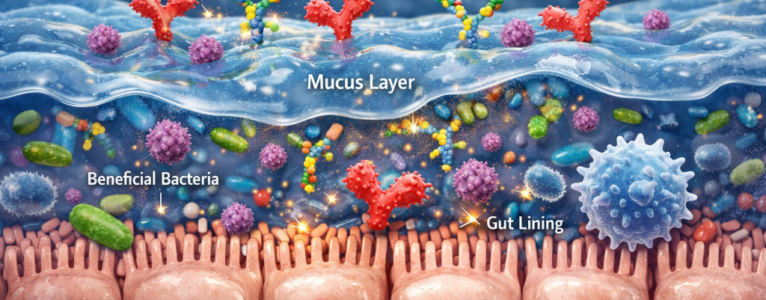
How Lectins Interact With Mucus Layers
For many people exploring lectins and their impact on health, the conversation often starts in the gut.


For many people exploring lectins and their impact on health, the conversation often starts in the gut.
If you spend enough time reading about food sensitivities, digestive health, or inflammation, you will eventually run into two words that seem to overlap in frustrating ways: lectins and oxalates.
Gut health has become one of the most talked-about topics in modern nutrition and wellness.
Talking about food is rarely just about food. It is about identity, culture, habits, and sometimes defensiveness.
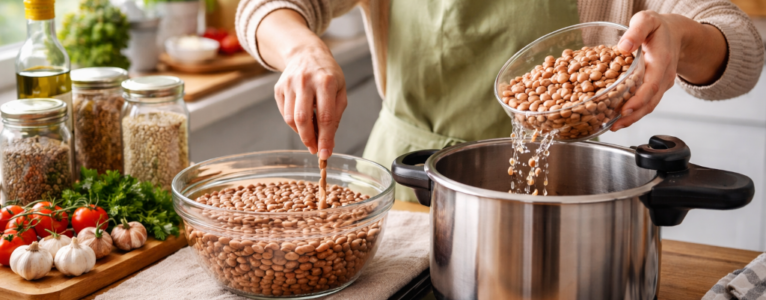
Eating low lectin at home is challenging enough. You control the ingredients, the cooking methods, the soaking time, the pressure cooker, the sourcing.
For most of human history, food preparation was not a matter of convenience. It was a matter of survival.
For many people trying to eat healthier, the word organic has become shorthand for safe, clean, and better for the body.
For most people trying to eat better, cooking shortcuts feel like survival tools. Modern life does not leave much room for soaking beans overnight, simmering broths for hours, or carefully peeling and deseeding vegetables after a long workday.
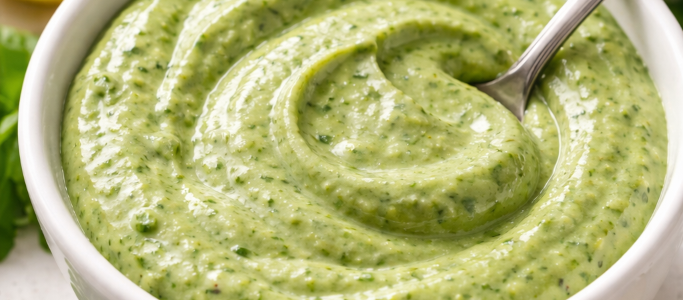
A Simple Green Goddess Dressing Can Tell the Whole Story. Lectins are not new. They’ve been part of the human food story for as long as humans have been eating plants.
This is what a low-lectin chicken & zucchini dish can teach us about digestion, cooking, and everyday health.