

Many people exploring a low-lectin lifestyle eventually run into an unexpected truth: the way you cook your food can dramatically change how your body responds to it. Lectins, the naturally occurring proteins found in beans, grains, nightshades, nuts, and seeds, aren’t all created equal, and more importantly, they don’t all stay the same once heat, pressure, fermentation, or sprouting enters the picture.
Cooking is chemistry. And when you understand how certain methods reshape lectins by breaking them down, neutralizing them, or reducing their biological impact you gain a powerful tool for managing symptoms and building a more comfortable relationship with food. Whether you’re new to the low-lectin world or refining your personal approach, learning why these methods work can unlock a more flexible and confident way of eating.
This article dives into the science behind lectin reduction, the cooking techniques that make the biggest difference, and how these choices can influence digestion, inflammation, and overall well-being.
What Happens to Lectins When You Cook?
Lectins are proteins with a knack for binding to carbohydrates. That trait is part of why plants use them defensively but it’s also why poorly prepared lectin-rich foods can irritate the human digestive system. They resist digestion, they can affect gut integrity, and some can trigger immune responses in sensitive individuals.
But lectins are also fragile in one important way: they don’t always withstand heat well.
As temperature rises, protein structures begin to unwind in a process known as denaturation. Some lectins, especially those in beans and legumes, are extremely sensitive to heat and pressure; others require additional steps like soaking or fermentation before they become fully digestible.
This is why raw or undercooked beans can be dangerous, yet properly cooked beans are tolerated by most people and easily handled by many low-lectin eaters.
Understanding the difference between “raw lectins,” “denatured lectins,” and “reduced lectin load” is key:
- Raw or undercooked foods = lectins remain active
- Properly cooked foods = lectins become denatured (nonfunctional)
- Enhanced preparation methods = lectins significantly reduced, and digestion improved
Different foods require different techniques. But the overall theme is simple: the right cooking method can transform a potentially irritating ingredient into something both safer and gentler for your gut.
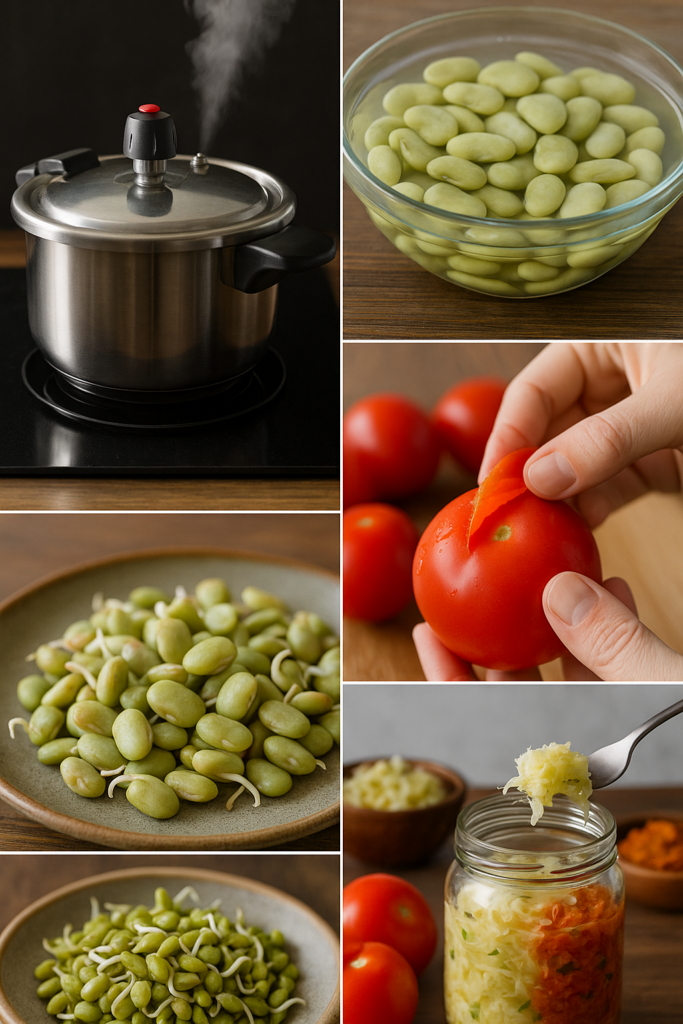
Pressure Cooking: The Gold Standard for Lectin Reduction
When it comes to altering lectins quickly and reliably, very few tools outperform the humble pressure cooker.
Why Pressure Works
Pressure cooking creates an environment where boiling temperatures can rise well above 212°F (100°C). In this sealed space, water stays liquid even as it surpasses temperatures that would normally lead to evaporation. Those higher temperatures penetrate ingredients rapidly, breaking apart lectin proteins more effectively than standard boiling.
For example:
- Kidney beans contain a lectin called phytohemagglutinin (PHA), which can cause severe digestive reactions if not fully deactivated.
- Standard boiling helps, but may not completely neutralize PHA if cooking time is too short.
- Pressure cooking destroys PHA reliably, making the beans safe to eat.
- For people with lectin sensitivity, pressure cooking can mean the difference between enjoying lentils, chickpeas, or tomatoes and avoiding them entirely.
Best Uses
Pressure cooking is ideal for:
- Beans and legumes
- Potatoes
- Grains like quinoa or rice
- Tomato sauces and nightshades (after peeling and deseeding)
Why It Matters
Not only does pressure cooking slash lectin concentrations, but it does so without requiring long cooking times or complicated techniques. For many, it helps bring variety back into a low-lectin lifestyle.
Soaking: A Crucial First Step
Before beans or grains ever enter a pot, soaking them in water unlocks a cascade of benefits.
How Soaking Helps
Seeds, beans, and legumes contain lectins as part of their natural defense system. One designed to deter predators and keep seeds safe until germination. But once soaked, the seed begins to “wake up,” activating internal enzymes that break down anti-nutrients, including lectins.
Soaking also removes water-soluble lectins and saponins, which transfer into the soaking liquid. When you discard that liquid, you’re discarding part of the lectin load.
What to Add to Your Soak
Some people boost the breakdown process by adding:
- A splash of apple cider vinegar
- Salt
- Baking soda
These slightly alter the pH or soften the food, helping reduce lectin activity even before cooking.
Why It Matters
A well-executed soak shortens cooking times, improves nutrient availability, boosts digestibility, and lays the groundwork for maximum lectin reduction. Soaking isn’t optional. It’s foundational.
Boiling and Simmering: Useful but Limited
Boiling does reduce lectins, but not always reliably enough for sensitive individuals, especially with beans.
What Boiling Does Well
- Helps denature some lectins
- Softens fibers
- Reduces enzyme inhibitors
- Makes food easier to digest
Where Boiling Falls Short
Some lectins, particularly in kidney beans and other legumes, are resilient. They may require higher temperatures or longer times than boiling alone can produce.
This is why traditional advice for beans varies across cultures: long soak, long boil, and sometimes repeated boiling cycles.
Why It Matters
Boiling works, but not on its own for every ingredient. It’s usually best paired with soaking, and for lectin-sensitive individuals, pressure cooking.
Sprouting: Turning a Seed Into Something New
Sprouting introduces a biological shift: once a seed begins germination, it no longer needs the same defensive compounds that kept it safe in storage.
What Happens During Sprouting
Enzymes activate and begin breaking down:
- Lectins
- Phytic acid
- Enzyme inhibitors
- Certain hard-to-digest starches
The seed becomes nutritionally “alive” or higher in enzymes, vitamins, and bioavailable nutrients.
Sprouting Works Best With
- Mung beans
- Lentils
- Chickpeas (with caution)
- Certain grains like millet or quinoa
A Word of Caution
Not all seeds should be sprouted by beginners. Undercooked sprouted legumes can still pose lectin risks. Sprouting makes them easier to digest, but thorough cooking is still recommended.
Fermentation: Nature’s Way of Breaking Down Lectins
Fermentation uses beneficial microbes to pre-digest a food before you eat it.
How Fermentation Reduces Lectins
Microbes consume sugars and starches but they also break down proteins, including lectins. This process changes the food’s structure, lowers anti-nutrients, and enhances gut-friendly compounds.
For example:
- Fermented soybeans (like natto or tempeh) contain dramatically fewer lectins than unfermented soy.
- Sourdough fermentation reduces lectins and phytates in wheat.
- Fermented vegetables become easier to digest due to enzyme and microbial activity.
Why It Matters
Fermentation doesn’t just reduce lectins, it boosts probiotics, improves digestion, and enriches flavor. It’s one of the oldest and most effective tools humans have ever used to make foods safer and more nourishing.
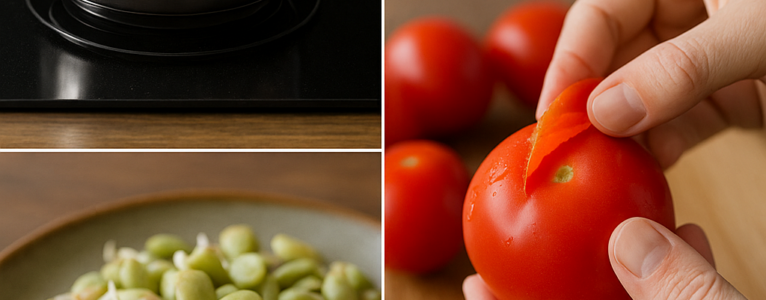
Peeling and Deseeding: Reducing Lectins in Nightshades
Tomatoes, peppers, cucumbers, and other nightshades store most of their lectins in the seeds and skins.
By removing these parts before cooking, you significantly lower lectin exposure before heat even enters the equation.
Why This Works
Plant lectins often serve as protective structures around seeds. Removing those components strips away a major portion of the plant’s natural defense strategy.
When to Use This Method
- Making tomato sauces
- Preparing peppers for soups or sautés
- Creating cucumber salads or pickles
- Cooking eggplant
Why It Matters
Peeling and deseeding allow people with lectin sensitivities to enjoy the flavor of nightshades without the digestive after-effects.
Slow Cooking: When Heat Isn’t Enough
While slow cookers are convenient, they’re generally not ideal for reducing lectins in beans, grains, or nightshades.
The Issue With Slow Cookers
Most slow cookers maintain temperatures below the threshold needed to reliably denature lectins, especially the stubborn ones. Kidney beans in a slow cooker can retain dangerous PHA lectins even after hours of cooking.
When Slow Cookers Are Fine
- Meat dishes
- Broths
- Already pressure-cooked ingredients
Why It Matters
Slow cookers work beautifully when heat sensitivity is low. But for lectin-rich foods, using them without pre-cooking can leave lectins intact.
Acidic Marinades: A Helpful Boost
Acids like lemon juice, vinegar, yogurt, and wine help loosen plant fibers and reduce lectin activity before cooking.
How Acids Help
Acidic environments weaken lectin structures and soften tough cell walls. This allows heat to penetrate more effectively and may reduce lectin binding activity.
Best Uses
- Marinades for vegetables like zucchini or peppers
- Pre-soaking lentils or beans with a splash of vinegar
- Adding tomato paste or wine to sauces before simmering
Why It Matters
Acids aren’t powerful enough alone to neutralize lectins but combined with heat or pressure, they dramatically improve results.
Why Lectin Reduction Matters for Digestion and Inflammation
Reducing lectins isn’t just a culinary technique, it’s a way of managing the body’s response to food.
Lectins Can Affect:
- Gut lining integrity
- Immune activation
- Digestive discomfort
- Inflammation signals
- Nutrient absorption
While research is ongoing, many people report significant relief when they minimize high-lectin foods or process them properly.
Improved cooking techniques lead to:
- Fewer digestive symptoms
- Reduced bloating
- Better energy patterns
- Less joint discomfort
- Greater food variety
- Improved confidence in the diet
When lectins are reduced, foods become gentler, safer, and easier to incorporate into a daily routine, especially for individuals who are sensitive or trying to restore gut balance.
Putting It All Together: A Practical Guide
If you’re trying to lower your lectin exposure, here’s how to combine everything naturally in the kitchen:
For Beans and Lentils
- Soak overnight
- Rinse thoroughly
- Pressure cook
- Add acidic ingredients during or after
For Nightshades
- Peel
- Remove seeds
- Pressure cook or simmer
- Avoid slow cooking unless pre-cooked
For Grains
- Rinse
- Soak (optional but helpful)
- Pressure cook
For Nuts and Seeds
- Soak or sprout when possible
- Light roasting reduces lectins in some varieties
For Vegetables
- Ferment to reduce lectins and boost probiotics
- Steam or roast when fermentation isn’t practical
The Takeaway: Cooking Is One of the Most Powerful Tools in a Low-Lectin Lifestyle
You don’t have to eliminate entire food groups to reduce lectins. Instead, you can reshape how you interact with those foods. Pressure cooking, soaking, sprouting, fermenting, peeling, and pairing with acidic ingredients all work together to make lectin-containing foods more digestible and less inflammatory.
Cooking isn’t just about flavor. It’s about transformation. With the right techniques, foods that were once off-limits become safe, nourishing, and enjoyable again.
For anyone living low-lectin, these methods are more than kitchen tricks. They’re the foundation of a lifestyle that prioritizes comfort, clarity, and well-being without sacrificing variety or pleasure.