

When people first encounter the idea of lectins, the reaction is often confusion. These compounds are found in many foods that have been eaten for centuries. Beans, grains, vegetables, seeds, and even fruits all contain some level of lectins. If humans have consumed them for so long, how could they possibly interfere with nutrition? The answer lies not in fear or absolutes, but in biology, preparation, and individual tolerance.
Lectins are not poisons in the dramatic sense. They are proteins made by plants for a reason. Plants cannot run from predators, so they rely on chemical defenses. Lectins are one of those defenses. Their defining characteristic is their ability to bind to carbohydrates. That binding ability is what makes them biologically active and also what gives them the potential to interfere with nutrient absorption under certain conditions.
Understanding how lectins affect nutrient absorption requires stepping back and looking at how digestion works, how the gut lining functions, and how different people respond differently to the same foods. This is not a story of good foods versus bad foods. It is a story of interaction.
Nutrient Absorption Begins in the Gut Lining
To understand lectins, it helps to first understand the gut itself. The small intestine is where most nutrient absorption occurs. Its surface is not smooth. It is lined with millions of tiny finger-like projections called villi, and even smaller structures called microvilli. Together, they dramatically increase surface area, allowing vitamins, minerals, amino acids, and fats to pass from food into the bloodstream.
The cells lining the intestine are selectively permeable. They allow nutrients through while keeping harmful substances out. This barrier function is critical. When it works well, digestion and absorption proceed quietly and efficiently. When it is disrupted, problems begin to appear.
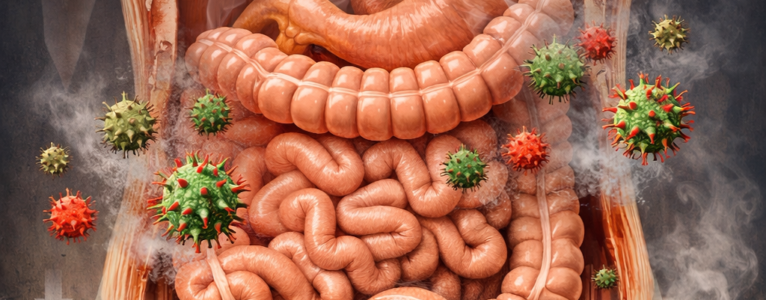
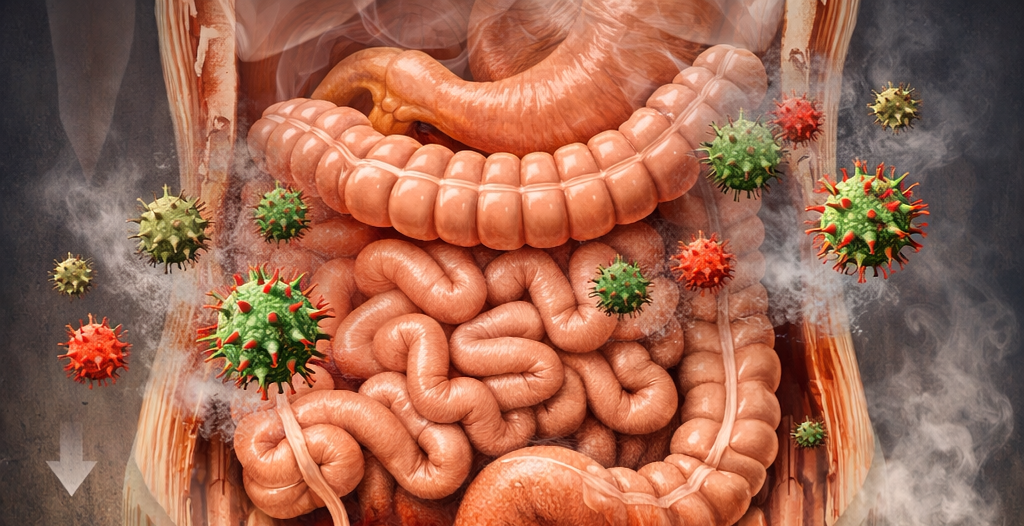
Lectins interact directly with this lining. Because lectins bind to carbohydrate structures, and because intestinal cells are coated in carbohydrate-rich glycoproteins, lectins can attach themselves to the gut wall. This attachment is the starting point for their potential effects.
How Lectins Interfere With Absorption
Lectins do not block nutrients in a single dramatic way. Their effects are subtle, cumulative, and highly dependent on context. In susceptible individuals or when consumed in large amounts without proper preparation, lectins can interfere with absorption through several overlapping mechanisms.
One of the most discussed mechanisms is physical interference. When lectins bind to the intestinal lining, they can alter the structure and function of the microvilli. Even small changes to these structures reduce the efficiency of nutrient uptake. Minerals like iron, calcium, magnesium, and zinc are particularly sensitive to this disruption.
Another mechanism involves inflammation. Lectin binding can trigger immune signaling in the gut. This does not always result in obvious symptoms like pain or diarrhea. Low-grade inflammation can quietly reduce absorption by changing how transporters in the intestinal cells function. Nutrients may be present in the food, but the body becomes less efficient at moving them across the gut wall.
A third mechanism involves enzyme interference. Digestive enzymes are proteins, and lectins can interfere with their activity. When enzymes such as proteases or amylases are inhibited, food is not broken down as effectively. Poor digestion upstream leads to poor absorption downstream.
None of these effects happen in isolation. They layer on top of each other, and the result can look like a nutrient deficiency even when diet appears adequate.
The Difference Between Acute and Chronic Exposure
It is important to distinguish between acute lectin exposure and chronic exposure. Acute exposure is what happens when someone eats undercooked beans or improperly prepared legumes. The symptoms are obvious and unpleasant. Nausea, vomiting, cramping, and diarrhea occur because lectins are actively irritating the gut.
Chronic exposure is quieter. It happens when lectin-rich foods are eaten daily, in large amounts, without preparation methods that reduce lectin activity. In this scenario, symptoms may not point clearly to digestion at all. Fatigue, brittle hair, joint stiffness, poor wound healing, or stubborn nutrient deficiencies can develop slowly.
This distinction matters because most people never experience acute lectin toxicity, but many may experience chronic effects without realizing the connection.
Why Some People Are Affected and Others Are Not
One of the most confusing aspects of lectins is variability. Two people can eat the same meal and have very different outcomes. This is not imagination or placebo. Several factors explain the difference.
Gut integrity plays a major role. A healthy gut lining with robust mucus layers and tight junctions is more resistant to lectin binding. Someone with existing gut irritation, whether from stress, medication use, infections, or previous dietary issues, may be more vulnerable.
Microbiome composition also matters. Certain gut bacteria can degrade or neutralize lectins, reducing their impact. Others may amplify inflammatory responses. Diet history shapes the microbiome, which in turn shapes lectin tolerance.
Genetics influence immune signaling and carbohydrate structures on gut cells. This means lectins may bind more strongly in some individuals than others. This variability explains why universal dietary rules around lectins often fail.
Lectins and Mineral Absorption
Minerals are among the nutrients most affected by lectins. Iron is a well-studied example. Lectins in grains and legumes can reduce iron absorption both by binding to the gut lining and by interacting with iron itself. This is one reason iron deficiency can occur even when iron intake appears sufficient.
Calcium and magnesium absorption can also be impaired. Over time, this may contribute to bone density issues, muscle cramping, or nerve signaling problems. Zinc, essential for immune function and wound healing, is particularly sensitive to gut inflammation caused by lectin exposure.
These effects are not all-or-nothing. They operate on a spectrum. Small reductions over time can still produce meaningful consequences.
Protein and Fat Absorption
Proteins are broken down into amino acids before absorption. When lectins interfere with protease enzymes or damage microvilli, amino acid uptake suffers. This can lead to muscle loss, poor recovery from exercise, or slow healing even in people consuming adequate protein.
Fat absorption depends on bile acids and intact intestinal surfaces. Lectin-related inflammation can disrupt this process, leading to deficiencies in fat-soluble vitamins such as A, D, E, and K. Symptoms may show up far from the digestive system, including vision changes, immune weakness, or hormonal imbalance.
The Role of Food Preparation
One of the most important and empowering aspects of lectin research is that preparation matters. Lectins are proteins, and proteins can be altered by heat, pressure, fermentation, and soaking.
Traditional food cultures intuitively developed methods that reduce lectin activity. Soaking beans, fermenting grains, pressure cooking legumes, and peeling or deseeding certain vegetables all reduce lectin content. Modern convenience foods often skip these steps.
Pressure cooking is particularly effective. High heat combined with pressure denatures lectins more thoroughly than boiling. Fermentation changes the biochemical environment, allowing microbes to break down lectins over time.
These methods do not eliminate all lectins, but they significantly reduce their biological activity, often enough to restore normal nutrient absorption.
Lectins Are Not Always the Villain
It is important to avoid oversimplification. Not all lectins are harmful. Some lectins appear to have beneficial roles, including immune modulation and potential anti-cancer properties under controlled conditions. The problem arises when lectin exposure exceeds an individual’s tolerance or when preparation methods are ignored.
The goal of living low-lectin is not elimination. It is awareness and adaptation. By reducing lectin load, rotating foods, and paying attention to symptoms, many people find that nutrient absorption improves without extreme restriction.
Signs That Lectins May Be Affecting Absorption
Lectin-related absorption issues rarely announce themselves clearly. Instead, they show up as patterns. Persistent fatigue despite adequate sleep. Nutrient deficiencies that do not respond well to supplementation. Digestive discomfort that seems inconsistent. Joint pain or inflammation that improves with dietary changes.
These patterns do not prove lectin involvement, but they provide clues. Tracking food reactions, preparation methods, and symptoms over time offers far more insight than any single test.
A Practical, Science-Grounded Perspective
Modern lectin research does not suggest that lectins are universally dangerous. It suggests that they are biologically active compounds capable of influencing digestion and absorption under certain conditions. This nuance matters.
When people shift from asking “Are lectins bad?” to “How do lectins interact with my body?”, the conversation changes. It becomes personal, practical, and sustainable.
Reducing lectin load through cooking methods, food choices, and lifestyle factors such as sleep and stress management often improves gut resilience. A healthier gut absorbs nutrients more efficiently. The result is not just fewer digestive symptoms, but better overall health.
Nutrient Absorption as a Dynamic Process
Nutrient absorption is not a static equation. It changes with age, stress, illness, and diet. Lectins are one variable among many, but they are a variable that can be adjusted without expensive supplements or extreme diets.
By understanding how lectins interact with the gut lining, enzymes, and immune system, people gain a tool rather than a fear. The science does not demand perfection. It rewards consistency, awareness, and respect for how food is prepared.
Living low-lectin is not about avoiding plants. It is about working with them in ways that support the body’s ability to extract nourishment rather than struggle against it.
Closing Thoughts
Lectins affect nutrient absorption not because they are malicious, but because they are biologically active. In a modern food system that prioritizes speed and convenience, their effects become more visible. Traditional preparation methods, mindful eating, and attention to individual response restore balance.
When nutrient absorption improves, energy stabilizes, inflammation quiets, and food becomes supportive rather than adversarial. That outcome does not come from fear or restriction. It comes from understanding how the body and food interact at a fundamental level.
This understanding is the foundation of living low-lectin, not as a rigid rule set, but as a flexible, science-driven approach to long-term health.