

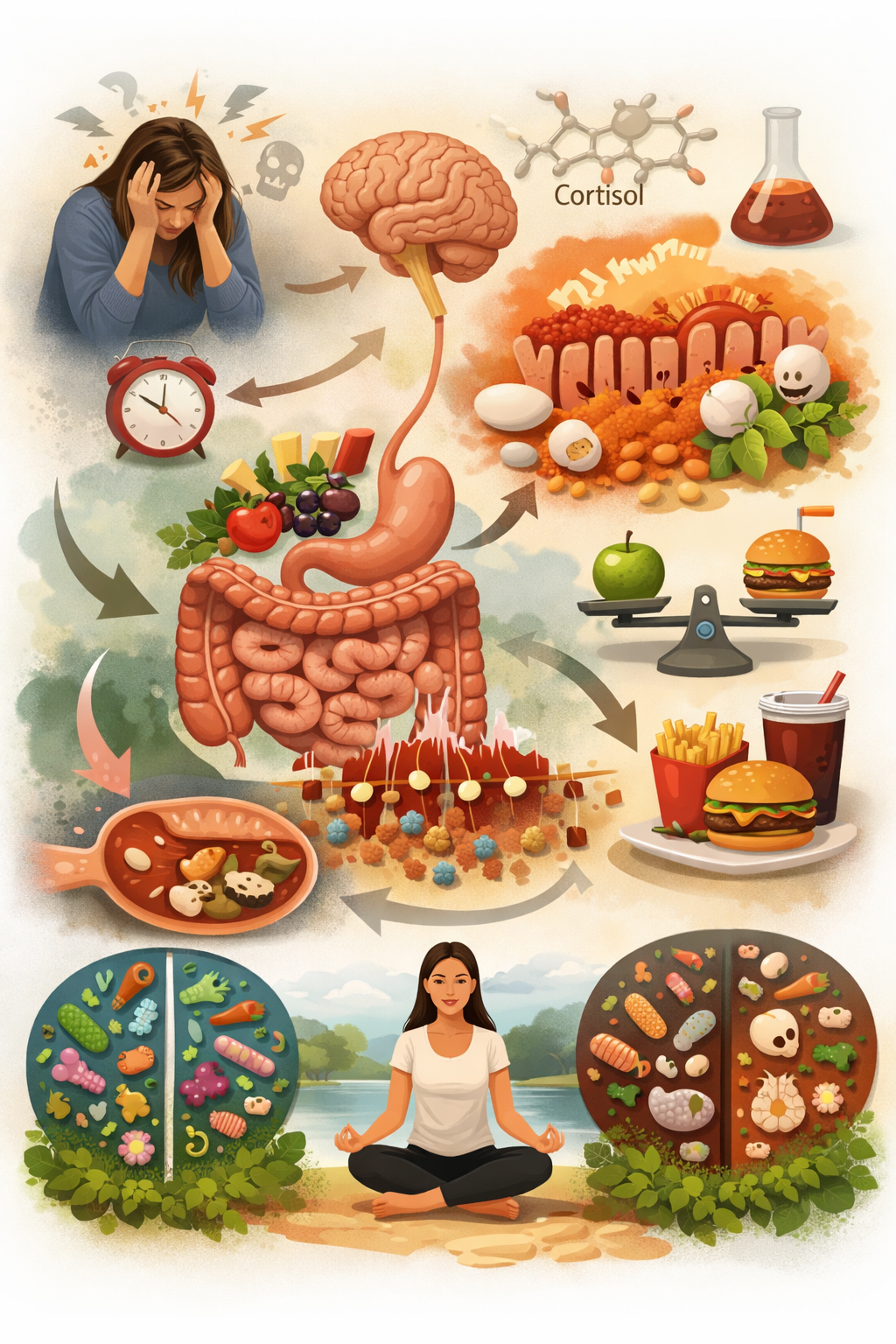
 Digestive discomfort is often blamed on what we eat. Ingredients get scrutinized, food groups are eliminated, and preparation methods become central to the conversation. While food matters, digestion does not occur in isolation. It is deeply influenced by the nervous system, hormonal signals, immune responses, and the body’s perception of safety or threat.
For people sensitive to lectins, stress can quietly magnify symptoms. Foods that once felt tolerable suddenly cause bloating, fatigue, joint discomfort, or brain fog. The lectins themselves may not have changed, but the internal environment handling them has.
Understanding how stress alters digestion helps explain why lectin sensitivity can fluctuate, why symptoms worsen during difficult periods, and why dietary changes alone sometimes fall short.
The Digestive System Is Regulated by the Nervous System
Digestion is not an automatic process that runs independently. It is governed by the autonomic nervous system, which has two primary branches. The sympathetic nervous system is associated with stress responses. It prepares the body for action, redirecting blood flow toward muscles and away from organs like the stomach and intestines.
The parasympathetic nervous system supports rest, repair, and digestion. It stimulates saliva production, stomach acid release, enzyme secretion, intestinal motility, and nutrient absorption.
When stress dominates, the balance shifts away from digestion. Even if food quality is high and preparation is ideal, the body may not process it effectively.
Stress Reduces Stomach Acid and Enzyme Production
Adequate stomach acid is essential for breaking down proteins, including lectins. Acid also activates digestive enzymes and helps prevent bacterial overgrowth in the upper digestive tract.
Chronic stress suppresses stomach acid production. This creates a cascade of downstream effects. Proteins remain partially digested, lectins remain more intact, and food moves into the intestines in a form that is harder to manage.
Low enzyme output further compounds the problem. When carbohydrates, fats, and proteins are not fully broken down, they become fermentable substrates for gut bacteria, increasing gas, bloating, and irritation.
For someone sensitive to lectins, this incomplete digestion increases the likelihood that lectins interact with the gut lining rather than being neutralized earlier in the process.
Stress Alters Gut Motility and Timing
Stress can speed up or slow down digestion depending on the individual and the context. In some cases, stress accelerates transit time. Food moves too quickly through the digestive tract, limiting nutrient absorption and increasing irritation. Diarrhea, cramping, and urgency are common signs.
In other cases, stress slows motility. Food lingers in the stomach or intestines, increasing fermentation and exposure time between lectins and the gut lining. Constipation, bloating, and heaviness often result.
Both patterns increase discomfort and amplify reactions to foods that already pose a challenge.
The Gut Lining Becomes More Vulnerable Under Stress
The intestinal lining is designed to be selectively permeable. It allows nutrients to pass through while blocking larger, potentially harmful compounds. Stress increases intestinal permeability. This is sometimes referred to as a leaky gut, though the term is often oversimplified. Under stress, tight junctions between intestinal cells loosen, allowing larger particles to cross the barrier.
Lectins are known for their ability to bind to cell surfaces. When the gut lining is compromised, lectins have greater access to immune cells beneath the surface. This increases immune activation and inflammation.
The same food that caused mild discomfort before may now trigger a more pronounced response.
Cortisol Directly Influences Digestive Function
Cortisol is a primary stress hormone. In short bursts, it helps mobilize energy and manage acute challenges. When elevated chronically, it disrupts digestion. High cortisol suppresses immune regulation in the gut, alters blood flow, and interferes with tissue repair. It also affects bile production, which is essential for fat digestion and toxin elimination.
Impaired bile flow can worsen reactions to foods that contain fat and protein combinations, including many lectin containing foods like legumes and grains. Over time, cortisol driven imbalance creates a digestive environment that is more reactive and less resilient.
Stress Shifts the Gut Microbiome
The gut microbiome plays a critical role in lectin tolerance. Certain bacteria help degrade lectins or reduce their binding potential. Others produce protective compounds that support the gut lining.
Stress alters microbial balance. Studies consistently show that chronic stress reduces beneficial bacteria and increases populations associated with inflammation.
This shift makes the gut less capable of managing lectins. It also increases fermentation, gas production, and immune stimulation.
Microbiome disruption explains why stress related flares often persist even after the stressful event has passed.
Immune Reactivity Increases Under Stress
The immune system and stress response are tightly linked. Acute stress can temporarily suppress immune activity, but chronic stress often leads to dysregulation rather than suppression.
In the gut, this means immune cells become more reactive and less discerning. They may respond aggressively to compounds that were previously tolerated.
Lectins are biologically active proteins. When immune vigilance is heightened, lectin exposure is more likely to trigger inflammatory signaling.
This immune amplification helps explain why symptoms can extend beyond digestion, affecting joints, skin, energy levels, and cognitive clarity.
Blood Sugar Instability Worsens Digestive Stress
Stress increases blood sugar through hormonal signaling. Elevated blood sugar and insulin fluctuations contribute to inflammation and nervous system strain.
Unstable blood sugar impairs gut motility, increases cravings for problematic foods, and heightens sensitivity to digestive discomfort.
Lectin containing foods often include carbohydrates that further challenge blood sugar regulation. When combined with stress, this creates a feedback loop that worsens symptoms.
Stress Changes Eating Behavior and Context
Stress does not only affect physiology. It also alters how people eat.
Meals may be rushed, eaten while distracted, or skipped altogether. Chewing becomes less thorough. Portion sizes become inconsistent. Food choices may skew toward convenience rather than compatibility.
Even well chosen foods can cause problems when eaten in a stressed state. Digestion begins in the mouth and brain. Without adequate sensory engagement and parasympathetic activation, digestive efficiency drops.
For people managing lectin sensitivity, eating environment can matter nearly as much as food selection.
The Vagus Nerve Plays a Central Role
The vagus nerve connects the brain to the digestive system. It regulates stomach acid, enzyme release, gut motility, and inflammatory responses.
Chronic stress reduces vagal tone. Low vagal tone is associated with poor digestion, increased inflammation, and heightened food sensitivity.
Supporting vagal function through breathing, posture, and relaxation practices improves digestive resilience and lectin tolerance over time.
Why Lectin Symptoms Often Appear During Stressful Periods
Many people notice that lectin sensitivity emerges or worsens during major life stressors. Illness, grief, overwork, poor sleep, and emotional strain frequently precede digestive changes.
Stress does not create lectins, but it weakens the systems designed to manage them.
When digestion is efficient, the gut lining is intact, the immune system is balanced, and the microbiome is diverse, lectins are less problematic. When these systems are compromised, lectins become more noticeable.
Supporting Digestion While Reducing Stress
Addressing lectin sensitivity effectively requires attention to both diet and nervous system regulation.
Reducing stress does not require eliminating challenges from life. It involves improving the body’s ability to return to a calm state after stress occurs.
Simple practices can support digestion indirectly by shifting nervous system balance. Slow breathing before meals, eating without screens, prioritizing sleep, and maintaining consistent meal timing all help restore digestive signaling.
Stress management is not an optional lifestyle add on. For people with lectin sensitivity, it is a core component of symptom control.
Long Term Resilience Comes From System Support
Focusing solely on food restrictions can lead to frustration and burnout. While dietary changes matter, resilience comes from strengthening the systems that handle food.
Supporting digestion, gut integrity, immune balance, and nervous system regulation creates flexibility. Over time, some people find they tolerate a wider range of foods when stress is better managed.
This does not mean lectins become harmless. It means the body becomes better equipped to handle them.
A Broader Perspective on Food Sensitivity
Lectin sensitivity is not simply about what is on the plate. It is about timing, context, physiology, and stress load.
Understanding the role of stress reframes digestive symptoms as signals rather than failures. The body is responding appropriately to internal conditions that make digestion harder.
By addressing stress alongside food choices, people gain a more complete and compassionate approach to digestive health.
Final Thoughts
Stress reshapes digestion at every level, from stomach acid production to immune signaling. For individuals sensitive to lectins, this reshaping often intensifies symptoms and reduces tolerance.
Recognizing stress as a key factor shifts the focus from restriction alone to restoration. Supporting the nervous system, gut lining, microbiome, and immune balance helps reduce reactivity and improve quality of life.
Digestion works best when the body feels safe. Creating that sense of safety is just as important as choosing the right foods.