

Many people think about hydration as a single daily goal. You either drink enough water or you do not. But timing plays a powerful role in how the body utilizes fluids. The human system is built on rhythm. Hormones rise and fall throughout the day, digestion speeds up and slows down, and the body moves between energy production and repair. Water interacts with all of these phases. Understanding when hydration is most effective can transform the way you feel, think, and digest food. It can also help you avoid the discomfort that sometimes shows up when water is consumed at the wrong moment.
Hydration timing is not a rigid schedule to memorize. It is more like learning the natural language of your body. Some moments benefit greatly from a glass of water. Others work better with a pause. Exploring these patterns reveals not just how much water is needed, but how to align hydration with the body’s own internal clock.
The Morning Reset: Why Water Helps After Waking Up
The first few hours of the day are typically the most forgiving when it comes to hydration. After sleeping for several hours without drinking water, the body often wakes up slightly dehydrated. Even mild dehydration can influence mood, energy, and cognition. A morning glass of water replenishes lost fluids and supports circulation as the body transitions from resting mode to active mode.
Hydration early in the day often stimulates digestion and encourages the first bowel movement. This happens partly because water helps trigger the gastrocolic reflex and partly because the digestive system has been resting throughout the night and is ready to resume its work. Some people feel a surge in alertness because water boosts blood flow and supports the natural cortisol rise that helps wakefulness.
There is usually no reason to avoid water in the morning. Too much too fast can cause temporary bloating, but a steady intake in the early hours supports almost every major system of the body.
Hydration With Meals: Helpful for Some, Disruptive for Others
One of the most common hydration myths is that drinking water during meals dilutes stomach acid and interferes with digestion. For most people, this is not accurate. Moderate hydration with meals can help break down food, guide it through the digestive tract, and ease constipation. The stomach is designed to adjust its acid concentration to match the demands of digestion, and it does so automatically.
However, timing does matter here for specific individuals. People who struggle with acid reflux sometimes find that drinking too much water during a meal increases pressure in the stomach, which can worsen symptoms. Those who eat quickly or consume very large meals may also feel that extra water intensifies bloating.
What works best is personalized experimentation. Some people digest food better with a small glass of water during meals, while others prefer to hydrate around meals instead of during them. The variable here is not digestion chemistry so much as comfort and individual digestive patterns.
Drinking Water Before Meals: A Tool for Hunger and Digestive Ease
Hydrating before meals often benefits both digestion and appetite regulation. A glass of water fifteen to thirty minutes before eating can prepare the stomach for incoming food. This creates a smoother transition through the digestive tract. It also supports stomach motility and small intestine readiness.
A second effect relates to hunger cues. Many people mistake thirst for hunger. Drinking water before a meal helps clarify these signals, which can lower the risk of overeating. This is not about dieting. It is about giving the body clearer communication channels so that fullness feels natural and not forced.
There is one situation where drinking too early or too much before a meal may cause discomfort. People with slow gastric emptying or certain digestive conditions sometimes feel overly full when adding water to an already burdened system. In those cases, sipping rather than drinking a full glass is usually more comfortable.
Hydration During Exercise: Timing Is Everything
Water consumed during physical activity follows entirely different rules than water consumed while resting. Muscles generate heat, the heart rate increases, and sweat loss rises. Hydrating during exercise prevents dips in performance, reduces cardiovascular strain, and helps regulate body temperature.
Drinking only at the start of a workout is usually not enough. The body continues to lose fluids throughout exertion, so replenishment must continue as well. Small, consistent sips support endurance more effectively than large gulps taken at long intervals.
However, there are times when hydration during a workout should be approached with caution. Drinking too much water too quickly can cause a problem known as hyponatremia. This occurs when the body’s sodium level becomes diluted. It is uncommon but important to acknowledge. Most people avoid this simply by drinking based on thirst cues and not forcing excessive amounts of water.
For high intensity or long duration exercise in hot environments, electrolyte replenishment is sometimes needed. This supports nerves and muscle function while preventing cramps or fatigue. For moderate exercise or cooler conditions, water alone is usually enough.
Hydration After Exercise: The Recovery Window
What happens after exercise is just as important as what happens during it. The body continues to lose water through respiration and sweat even after the activity has ended. The post workout window is a prime moment for replenishment. Hydrating supports muscle repair, nutrient transport, and temperature normalization.
Many people also pair hydration with their post workout meal, which enhances digestion and promotes the rebuilding process. Others prefer to drink water immediately after cooling down and then eat a bit later. Both approaches can work. The key is to restore any lost fluids during the first hour after activity.
People who exercise intensely or for prolonged periods may require more deliberate recovery hydration. Those who perform light movement or short sessions might only need a moderate amount. What matters most is recognizing this window as part of the fitness cycle rather than an optional step.
Hydration and Sleep: Why Timing Before Bed Matters
Water is vital for all body systems, but drinking too close to bedtime can disrupt sleep. The kidneys continue working even while the body rests. Drinking large amounts of water late in the evening increases the likelihood of nighttime awakenings to urinate. Sleep fragmentation can have ripple effects on hormone balance, cognition, and mood.
Most people benefit from tapering hydration in the two to three hours before going to bed. This gives the body time to process fluids and reduce nighttime interruptions. It does not mean avoiding water completely. A few sips are usually fine. The concern is volume and timing rather than the presence of hydration itself.
There are exceptions. People who sweat at night, use certain medications, or live in hot or dry climates might require a more flexible approach. The goal is still uninterrupted sleep, but personal context sometimes shifts the timing strategy.
Hydration and Digestion Timing: When Water Helps Food Move and When It Slows It Down
Water plays a significant role in digestive transit. It helps break down food, lubricates the intestinal lining, and supports the formation of stool. Drinking water steadily throughout the day usually produces the best digestive outcomes. The rhythm of hydration sends reliable signals to the digestive tract and helps maintain regularity.
Drinking a large amount of water all at once, particularly after a heavy or high fat meal, can sometimes slow digestion. The stomach may feel weighed down because water adds to the total volume of content the digestive system must process. Slow gastric emptying may become more noticeable for people who already have sluggish digestion.
Conversely, when the digestive system is moving too quickly, such as during periods of diarrhea or irritation, hydration becomes crucial for preventing dehydration. In that situation, timing matters less than consistent intake. The goal becomes maintaining electrolyte balance and replacing whatever is lost.
Hydration Before and After Caffeine or Alcohol
Caffeine and alcohol both influence hydration differently, and timing water around them can prevent undesirable effects.
Caffeine has a mild diuretic effect for people who are not regular consumers. For those who drink it daily, this effect diminishes. Either way, hydrating before and after a caffeinated beverage helps stabilize fluid levels. Many people find that starting the day with water before coffee reduces jitters and headaches.
Alcohol has a stronger dehydrating effect because it suppresses antidiuretic hormone. Drinking water before and after alcoholic beverages helps minimize dehydration, headaches, and the next day sluggishness that often accompanies alcohol intake. During alcohol consumption, alternating between water and the drink itself is helpful, although the timing needs only to be reasonable, not rigid.
Hydration Timing and Temperature: A Subtle but Meaningful Influence
The temperature of water can subtly influence how it interacts with the digestive and circulatory systems. Cold water is refreshing and can help lower body temperature, especially after exercise or during hot weather. Room temperature or warm water is often easier on digestion and less likely to cause cramping.
Some individuals prefer warm water before meals because it relaxes the stomach muscles and supports smoother digestion. Cold water can sometimes cause a temporary constriction in blood vessels, which is useful for cooling down but not always ideal around meals. The timing of temperature preference depends on personal comfort, climate, and digestive patterns.
The Best Hydration is Rhythmic, Not Rigid
A helpful way to think about hydration timing is to view it as a rhythm rather than a set of rules. The body thrives on steady, predictable intake. Small amounts of water consumed regularly are more beneficial than occasional large amounts that shock the system.
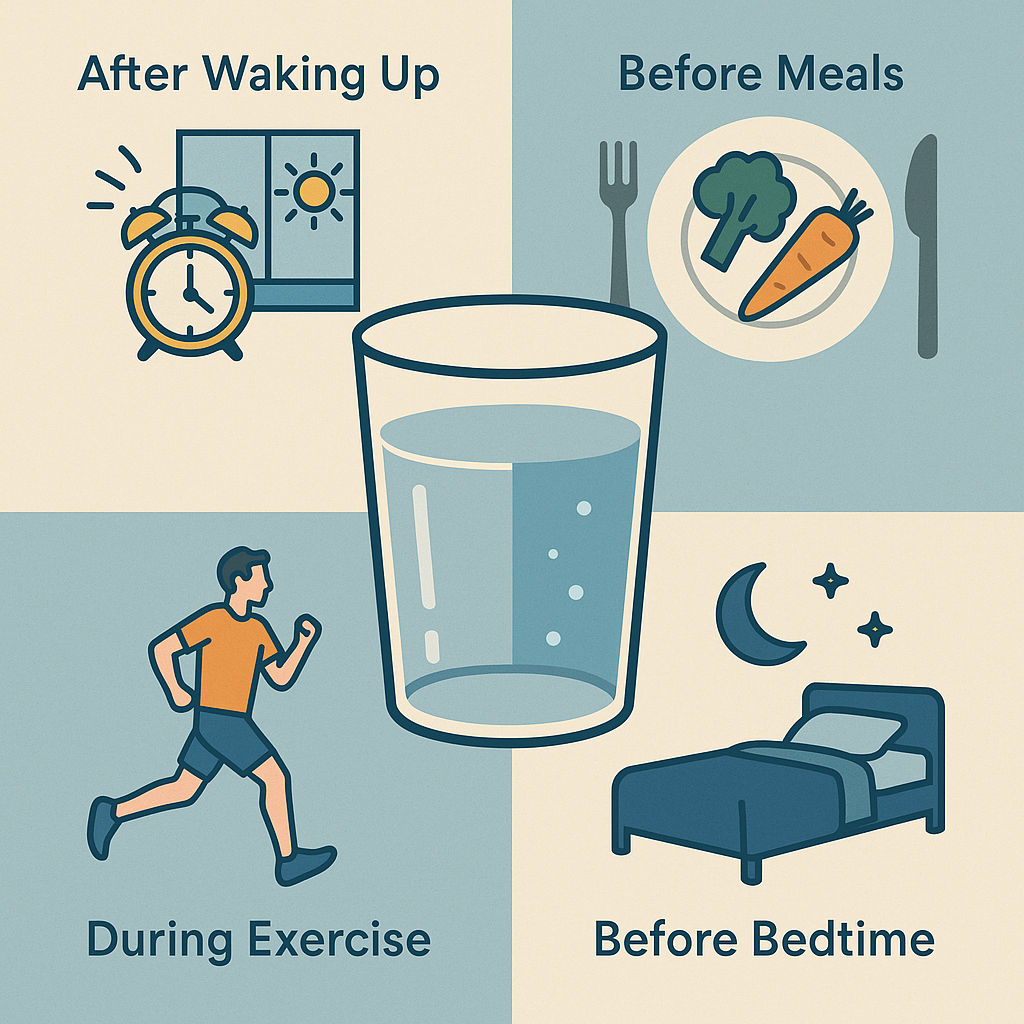
The most supportive patterns often include hydrating after waking, before meals, before and during exercise, after exercise, and gradually lessening intake as bedtime approaches. Within that structure, personal experimentation is important. Hydration timing is a conversation between you and your body. The more you pay attention to how various moments feel, the easier it becomes to identify when water truly helps and when it may not be necessary.
The complexity of hydration timing becomes much clearer when you observe your energy levels, digestion, sleep patterns, and mental clarity. These are the best indicators of whether your timing is aligned with your physiology.
Closing Thoughts
Hydration is not just about meeting a daily quota. It is about understanding how water supports the body’s rhythm, digestion, performance, cognition, and rest. Learning when to drink and when to pause transforms hydration from a task into a supportive daily pattern. Water becomes not just a requirement but a tool for enhancing well-being throughout the day.
Hydration timing is ultimately about balance. The goal is not perfection but consistency. When water is consumed in harmony with the body’s natural cycles, you feel the difference in subtle and profound ways.