

When people begin a low-lectin lifestyle, the first changes they notice tend to be the obvious ones. The shift toward pressure-cooked legumes, the hunt for better oils, the sudden awareness of just how many foods rely on wheat, corn, or nightshades. But something else usually happens along the way, almost quietly, like a secondary wave rolling in after the tide has already pulled back. Energy levels fluctuate. Digestion recalibrates. Inflammation softens, then sometimes reappears in surprising ways. And because no two bodies react the same, many low-lectin eaters start exploring supplements, not as a shortcut, but as a kind of support system that fills the gaps while the body adapts.
The interesting thing about supplements in a low-lectin lifestyle is that none of them are mandatory, yet several can feel almost tailor-made for people transitioning into this way of eating. They can steady digestion, support nutrient absorption, or simply make the lifestyle more sustainable long-term. But they also come with their own nuances, benefits that sound promising on paper and trade-offs that become clear only when someone begins using them in real life.
This guide walks through some of the most commonly paired supplements in the low-lectin world and explores their potential advantages and drawbacks through a narrative lens: not just what they do, but why someone might choose them, and when caution or patience might be required.
When the Gut is Still Learning: Digestive Enzymes
Most people underestimate just how much their gut has been juggling before they reduce lectins. Years, sometimes decades, of irritation from foods they didn’t even realize were giving them trouble. Once lectin-heavy foods are removed or reduced, digestion often improves on its own but not instantly. That’s where digestive enzymes occasionally step into the story.
Imagine you’ve spent years using the wrong instruction manual for your stomach. Lectins have been interfering with nutrient absorption and slowing down the repair of the gut lining, so the digestive machinery hasn’t been running at full strength. When someone begins a low-lectin diet, their system is suddenly asked to operate more efficiently but the gears may still be rusty.
Digestive enzymes can feel like a temporary support crew showing up with WD-40 and a few spare parts. They help break down proteins, fats, and carbohydrates more thoroughly, taking stress off the gut while it heals. Many people report that bloating softens and meals feel lighter during this period.
But enzymes have their downsides too. They can become a crutch if used indefinitely, and some blends are formulated so aggressively that they create discomfort rather than relief. Others contain added ingredients, such as fillers or herbs, that don’t align well with a low-lectin philosophy. The trick is understanding that enzymes are often most helpful during the transition or after an unusually heavy meal, rather than as a lifelong constant.
Polyphenols: Nature’s Little Repair Technicians
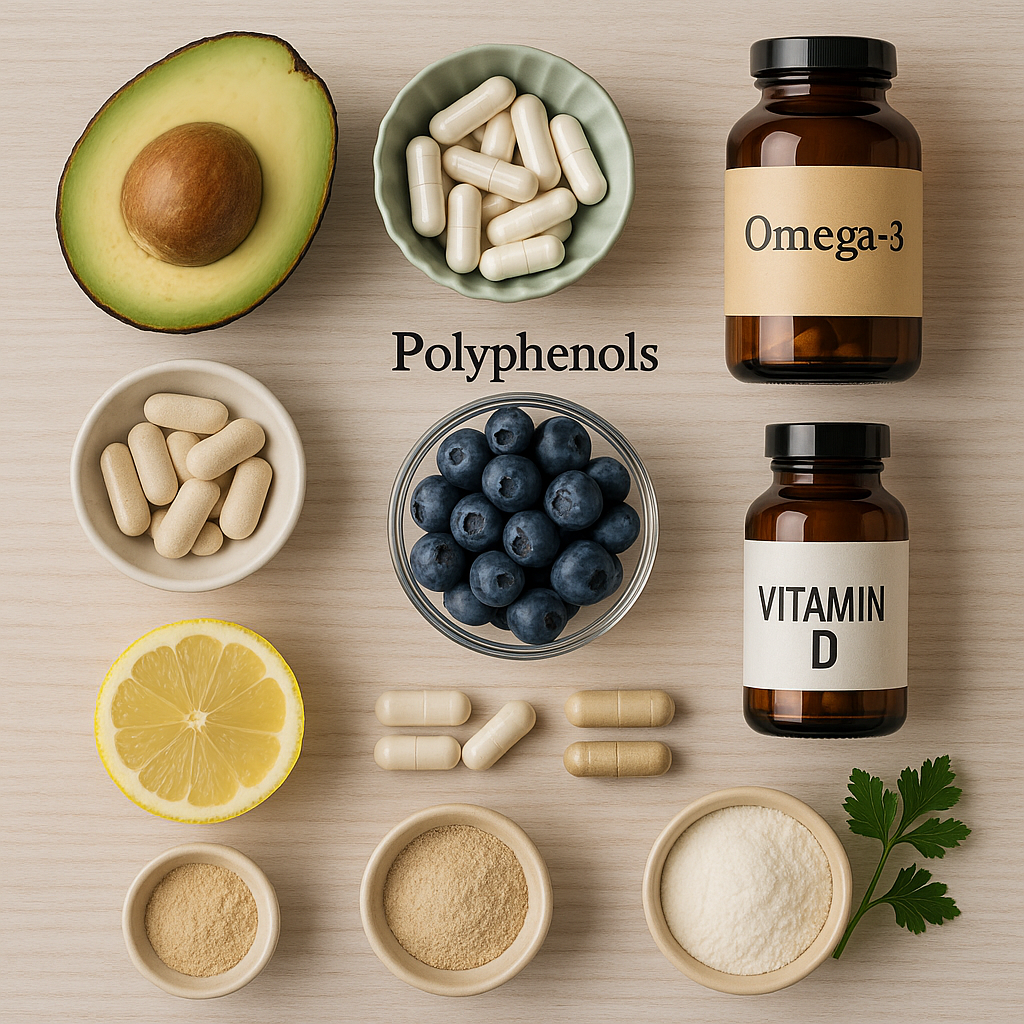
If digestive enzymes help with the mechanical side of digestion, polyphenols step in as the chemical guardians, supporting the gut barrier and calming inflammation. These are naturally found in high-polyphenol olive oil, green tea, berries, and certain herbs. But during the adjustment phase to a low-lectin lifestyle, some people turn to polyphenol-rich supplements to speed up the feeling of “reset.”
The appeal is easy to understand: polyphenols act like tiny repair technicians, patching up oxidative stress, supporting mitochondrial function, and helping the gut lining strengthen itself. For those who spent years battling fatigue or chronic inflammation, the effect can feel striking. Energy stabilizes, cognitive clarity improves, aches dull.
Yet enthusiasm can lead some people to take too much, too soon. High-dose polyphenols may interact with medications, create mild digestive upset in sensitive individuals, or cause headaches in people not used to concentrated extracts. Polyphenol supplements are powerful, and with power comes the need for pacing and awareness. For most low-lectin eaters, food sources offer plenty. Supplements should be approached like strong spices: effective in small amounts, overwhelming if overdone.
Omega-3s: Integrity for a System in Repair Mode
A consistent theme in low-lectin living is the emphasis on good fats. When the body is shifting away from inflammatory seed oils and into a world of olive oil, avocado, and grass-fed sources, the change alone can be transformative. But omega-3s often play a supplemental role because modern diets, lectin-free or not, tend to fall short of ideal intake.
Omega-3s show up in this narrative as the quiet guardians of cellular integrity. If the gut lining is a picket fence, omega-3s help make the wood flexible and resilient. They support joint comfort, mood stability, heart health, and even the body’s response to aches sparked by residual inflammation.
The biggest advantage? They complement the low-lectin approach beautifully because they reinforce the anti-inflammatory foundation of the lifestyle.
But there are trade-offs. Not all omega-3 supplements are clean. Some contain lectin sources in their gelatin capsules. Others are oxidized, meaning they deliver more harm than benefit. There are also sustainability concerns with certain fish oils, and people on blood thinners must use caution with higher doses.
Still, for many people on a low-lectin journey, omega-3s provide a feeling of systemic harmony like oiling the hinges of the whole body, not just the gut.
Probiotics: Support for a Microbiome in Transition
There’s a moment in almost every low-lectin journey when the gut microbiome begins shifting, sometimes quietly, sometimes dramatically. The trillions of bacteria living inside us operate like an ecosystem, and ecosystems react when their food supply changes. Remove lectins that once fed certain bacterial strains, add new fibers from cassava, plantains, or resistant starches, and the population begins a subtle reshuffling.
Probiotics can be a stabilizing force during this reshaping period. They help refill the gut with more beneficial strains, offering extra support while old microbial patterns fade and new ones emerge. Many people notice that probiotics smooth tension in digestion, reduce bloating, or improve regularity.
Yet probiotics are not a universal win. The microbiome is deeply individual, shaped by genetics, early childhood exposure, antibiotics, and decades of dietary patterns. A probiotic blend that works wonders for one person might cause discomfort for another. Some find that introducing too many strains at once feels overwhelming. Others discover they don’t need supplemental bacteria at all once they’ve been low-lectin for several months.
This is one supplement where personalization matters. A slow introduction, paying attention to the body’s response, often yields the best results.
Magnesium: A Gentle Ally for Constipation, Stress, and Sleep
As the body shifts into cleaner eating, magnesium often emerges as an unsuspecting hero. It’s not directly related to lectins, yet it supports many areas where people on a new health journey tend to struggle: digestion, stress, cramps, muscle tension, and deep sleep.
When someone begins low-lectin living, their digestive rhythm can temporarily shift, sometimes slowing down before stabilizing. Magnesium can step in like a calm, dependable ally helping the bowels move without harshness, relaxing the nervous system at bedtime, and easing the grip of tight muscles.
There are multiple forms, glycinate, citrate, malate. Each has slightly different strengths. Magnesium glycinate tends to be the “calming” version, magnesium malate the “energy-supporting” type, and magnesium citrate the one most known for helping with occasional constipation.
Magnesium’s biggest advantage is its versatility. Most adults are deficient without realizing it, and increasing magnesium often improves quality of life in several areas simultaneously.
Its drawbacks are relatively gentle but worth noting: too much can cause loose stools, and certain forms may interact with medications or be unsuitable for people with kidney conditions. Used mindfully, however, magnesium is one of the most universally helpful companions to a low-lectin lifestyle.
Vitamin D + K2: Strengthening the Foundation
A curious pattern often shows up in people adopting a low-lectin lifestyle: they didn’t start the diet for immune reasons, yet their immune system behaves differently once they settle into it. The body becomes more efficient at reducing unnecessary inflammation and managing the stresses of daily life.
Vitamin D plays a surprisingly central role in this process. It supports immune balance, bone strength, mental health, and even the gut lining. Pairing it with vitamin K2 ensures calcium is directed into bones rather than soft tissues, something especially important for long-term cardiovascular health.
The advantages are significant for many: better immune resilience, stronger bones, enhanced mood stability.
But the cons are subtle and require awareness. Vitamin D is fat-soluble, meaning it accumulates. Over-supplementing can push levels too high, which brings its own complications. Blood testing, at least once or twice a year, is helpful for anyone considering regular vitamin D supplementation.
In a low-lectin lifestyle, vitamin D shines as a foundational nutrient. One that complements the body’s natural healing processes rather than acting as a quick fix.
Collagen and Gelatin: Rebuilding from the Inside Out
When the gut lining has been irritated for years, healing becomes both a nutritional and structural journey. Collagen peptides and gelatin provide the raw materials the body needs to strengthen connective tissues, including the gut.
Imagine rebuilding a wall after years of erosion; collagen acts like the scaffolding and cement. As people shift away from lectin-heavy foods, they often notice skin, joint, and gut improvements simultaneously, and collagen is frequently part of that picture.
The biggest advantage is its gentle nature. Collagen tends to be easy to digest, easy to mix into drinks, and surprisingly effective at helping the body feel more resilient.
But some people find that collagen alone isn’t enough for gut repair without other supportive nutrients. Others discover that not all collagen powders are pure; additives or flavorings may not align with a clean, low-lectin lifestyle. Authenticity and sourcing matter.
Even with these caveats, collagen remains a favorite because it works quietly and persistently, almost like giving the body the architectural supplies it’s been asking for.
When Supplements Become Too Much
One of the most important insights in a low-lectin lifestyle is that supplements are meant to support, not replace, the fundamentals: quality food, consistent hydration, better sleep, and reduced stress. It’s tempting to build a supplement cabinet that rivals a small apothecary, especially when researching the benefits of each product.
But the body doesn’t necessarily thrive on more. It thrives on balance.
Too many supplements can overwhelm digestion. Some may interact with each other. Others may mask symptoms instead of encouraging deeper healing. And almost all of them work best when they complement a foundation of whole foods and intentional habits.
A helpful rule of thumb: introduce one thing at a time, observe patiently, and allow the body to tell you what it truly needs.
Bringing It All Together
Supplements can be powerful allies in a low-lectin lifestyle, but they’re not all equal; not in purpose, not in timing, and not in how different bodies respond to them. Some offer comfort during the early transition, some strengthen the gut long after inflammation settles, and others support overall resilience and vitality.
- Digestive enzymes help the gut regain efficiency.
- Polyphenols protect and repair at the cellular level.
- Omega-3s soothe inflammation and reinforce the body’s structure.
- Probiotics reshape the microbiome.
- Magnesium supports mood, digestion, and rest.
- Vitamin D + K2 fortifies immunity and bone health.
- Collagen provides building blocks for repair.
Each supplement tells a different part of the story and the best approach is a slow, thoughtful one that honors your unique biology.
A low-lectin lifestyle already provides a remarkable foundation for gut healing and whole-body wellness. Supplements simply help fill the gaps and smooth the path, offering support where the body needs a little extra help. With patience, awareness, and a willingness to adjust as you go, they become not just add-ons, but trusted companions on a journey toward deeper health.