


Low-lectin eating often begins with a surge of motivation. The food lists are printed. The pressure cooker moves to the front of the counter. Labels are scrutinized with care that borders on suspicion. For many people, this phase feels energizing and hopeful, especially if it comes after years of digestive discomfort, inflammation, or unexplained symptoms. There is a sense that if the rules are followed closely enough, relief will arrive quickly and stay permanently.
But as weeks turn into months, something subtle begins to happen. Life intervenes. A meal out appears on the calendar. A familiar food sneaks back in. Travel, stress, fatigue, or simple human craving interrupts the ideal plan. And suddenly, the question shifts from what to eat to whether one misstep has undone all progress.
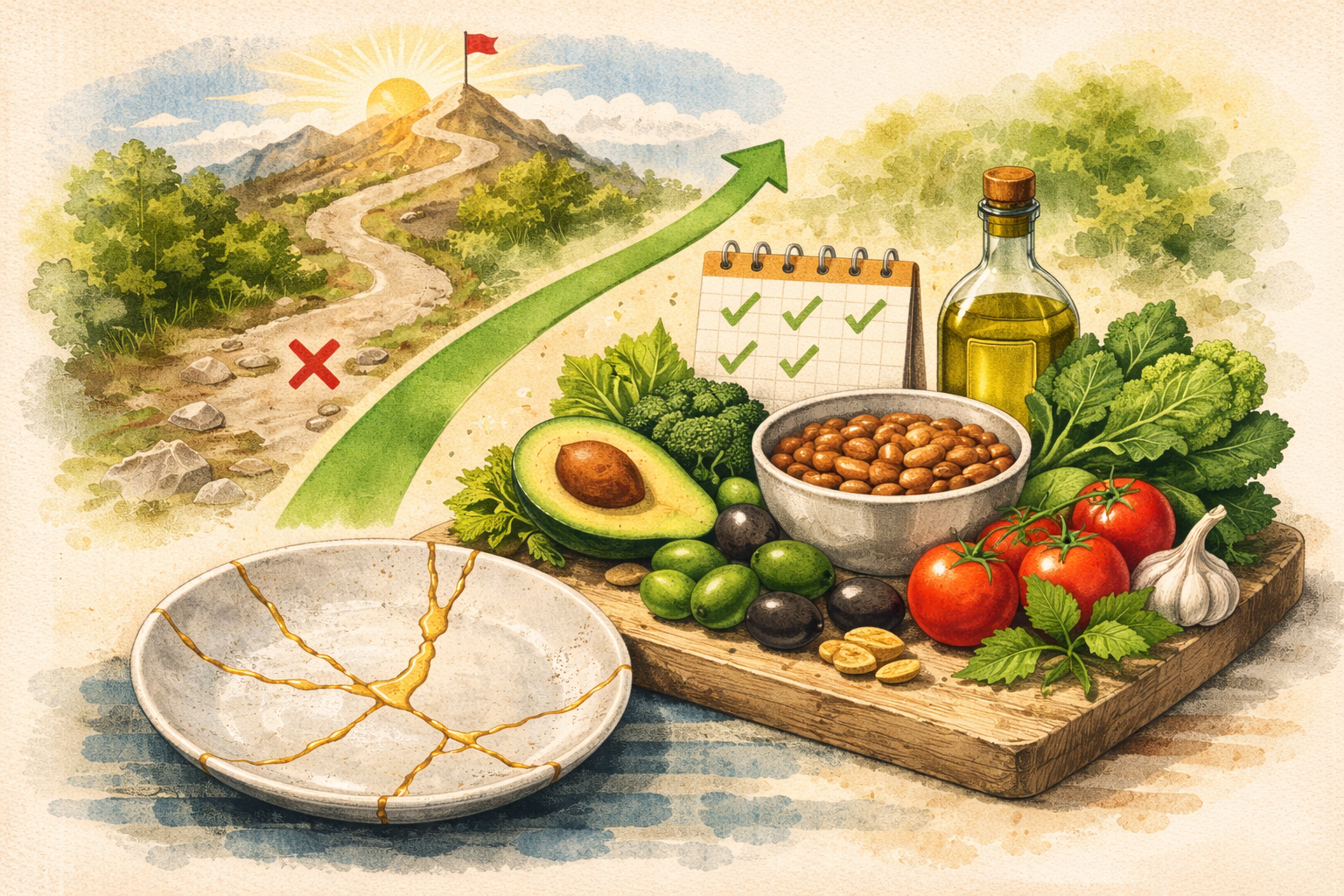
This is where many people struggle unnecessarily. The idea that low-lectin eating must be perfect to be effective is one of the most common obstacles to long-term success. In reality, consistency is far more powerful than rigid adherence. Understanding why can change how people approach food, health, and sustainability altogether.
The Myth of Dietary Perfection
Perfection feels safe. It offers clear boundaries and the comforting illusion of control. In nutrition culture, perfection often masquerades as discipline, commitment, or willpower. Yet biology does not operate on moral absolutes. The human body responds to patterns, not isolated events.
Low-lectin eating is not a binary switch where benefits vanish the moment an imperfect choice is made. Lectin exposure exists on a spectrum. Frequency, preparation methods, portion size, and individual sensitivity all influence how the body responds. A single meal does not erase weeks of reduced inflammation any more than one good meal undoes years of dietary strain.
The belief that perfection is required often leads to an all-or-nothing mindset. When the standard is flawless execution, a minor deviation can feel like failure. That sense of failure frequently triggers abandonment of the entire approach. Consistency, by contrast, leaves room for humanity while still delivering results.
How the Body Responds to Patterns Over Time
The digestive system, immune system, and metabolic processes are shaped by repeated inputs. Inflammation does not rise or fall based on a single ingredient alone. It builds or resolves through cumulative exposure and recovery.
When someone eats in a low-lectin way most of the time, the gut lining has more opportunity to repair. The immune system receives fewer repetitive triggers. Blood sugar regulation stabilizes. These improvements do not disappear instantly with occasional lectin exposure. Instead, the body often rebounds more quickly because its baseline state has improved.
Consistency creates a new normal. Over time, the body begins to expect fewer irritants and responds more calmly when one appears. This is why people who maintain steady habits often report that accidental exposures affect them less severely than they once did. The system has regained resilience.
Psychological Sustainability and Food Relationships
Strict perfectionism carries a psychological cost. Constant vigilance around food can increase stress, which itself undermines digestion and immune regulation. Ironically, the pursuit of a perfect diet can introduce new forms of strain that counteract its intended benefits.
Consistency supports a healthier relationship with food. It allows eating to remain integrated into life rather than dominating it. Meals become nourishment rather than tests of discipline. This mental ease is not trivial. Stress hormones directly influence gut motility, enzyme production, and inflammation. A calm nervous system supports digestion as much as any ingredient choice.
People who adopt consistent but flexible approaches are more likely to stay engaged long term. They adapt instead of quitting. Over years, that sustained engagement matters far more than short periods of strict compliance.
The Role of Preparation Versus Elimination
Low-lectin eating is often misunderstood as a rigid elimination diet. In practice, it is largely a preparation-focused approach. Pressure cooking, peeling, deseeding, fermenting, and soaking change how foods interact with the body. These techniques reduce lectin activity without requiring total avoidance of broad food categories.
Consistency in preparation habits can outweigh occasional deviations in food choice. Someone who regularly prepares beans properly and chooses low-lectin staples will likely experience more benefit than someone who follows an ultra-strict plan briefly and then abandons it entirely.
This perspective shifts the goal from avoiding every possible lectin to reducing the overall lectin load the body must manage. That reduction, sustained over time, is what creates meaningful change.
Real Life Constraints and Adaptive Success
No one eats in a vacuum. Social gatherings, family traditions, travel, financial limits, and cultural food norms all shape eating behavior. A dietary approach that ignores these realities will eventually fail for most people.
Consistency works because it accommodates adaptation. It allows people to make the best available choice in each situation rather than demanding ideal conditions. Sometimes that means choosing the least problematic option rather than the perfect one. Sometimes it means returning to familiar routines after an interruption without guilt or overcorrection.
The body benefits from this steadiness. Sudden cycles of restriction and indulgence can be more disruptive than moderate, predictable patterns. Consistency smooths the metabolic and digestive landscape.
Inflammation Is Influenced by Averages, Not Extremes
Inflammation is not triggered solely by individual meals. It is shaped by average exposure over time. Just as chronic inflammation develops gradually, it also resolves gradually.
When low-lectin eating is practiced consistently, inflammatory markers often trend downward even if occasional deviations occur. What matters most is the overall direction. A diet that is eighty to ninety percent supportive can still produce substantial improvements.
This concept is well established across many areas of health. Exercise, sleep, hydration, and stress management all follow similar principles. No single day determines outcomes. The average does.
Learning From the Body Rather Than Punishing It
One advantage of consistency over perfection is that it creates space for feedback. When people allow some flexibility, they can observe how their body responds to different foods and contexts. This information becomes a guide rather than a judgment.
Perfectionist approaches often suppress curiosity. When rules are absolute, symptoms are interpreted as failure rather than data. Consistency invites experimentation within a stable framework. Over time, individuals learn which foods are worth the trade-off and which are not.
This self-knowledge supports autonomy. It reduces reliance on external rules and builds trust in bodily signals. That trust is essential for long-term health.
The Compounding Effect of Small Habits
Small, repeated actions compound quietly. Choosing low-lectin oils regularly. Pressure cooking beans most of the time. Prioritizing vegetables that are well tolerated. These habits may seem modest in isolation, but together they reshape the internal environment.
Consistency turns these actions into defaults. Once habits are established, they require less mental energy. The diet becomes easier to maintain because it aligns with routine rather than effort.
Perfection, by contrast, demands constant attention. It relies on willpower rather than systems. Over time, willpower fatigues, but habits endure.
Resilience Over Rigidity
Health is not about avoiding every challenge. It is about developing resilience. A resilient body can handle occasional stressors without cascading dysfunction. Consistency builds this resilience by giving the body time to strengthen underlying systems.
Rigid perfection can actually weaken resilience by keeping the body in a state of constant vigilance. When an unexpected exposure occurs, the reaction may feel more dramatic because there is no buffer. Consistency provides that buffer.
Redefining Success in Low-Lectin Eating
Success in low-lectin eating is not measured by flawless adherence. It is measured by improved quality of life. Reduced symptoms. Increased energy. Better digestion. Mental ease around food.
These outcomes arise from steady, repeatable practices. They do not require perfection. They require commitment to returning to supportive habits again and again.
Consistency allows for growth. It acknowledges that people evolve, circumstances change, and learning continues. Rather than chasing an idealized version of eating, it focuses on what works most of the time.
A Long View of Healing
Healing is rarely linear. Progress often includes plateaus, setbacks, and adjustments. Consistency provides continuity through these fluctuations. It keeps the overall trajectory moving forward even when individual days feel imperfect.
Low-lectin eating is best understood as a lifestyle framework rather than a rulebook. It offers tools, not ultimatums. When those tools are used regularly, they shape the body gently but powerfully.
Perfection promises certainty but delivers fragility. Consistency accepts imperfection and delivers durability.
Choosing Progress Over Pressure
At its core, the shift from perfection to consistency is a shift from pressure to progress. It replaces fear of mistakes with confidence in patterns. It allows eating to support life rather than dominate it.
For those navigating low-lectin eating, this perspective can be liberating. It reframes success as something achievable and sustainable. Not through flawless execution, but through steady care.
Consistency honors the reality of being human. And in doing so, it aligns far more closely with how the body actually heals.