

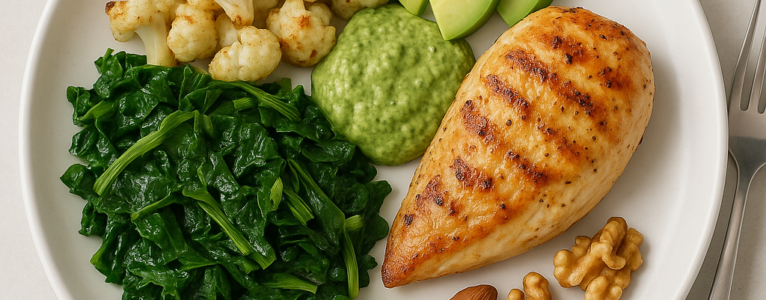
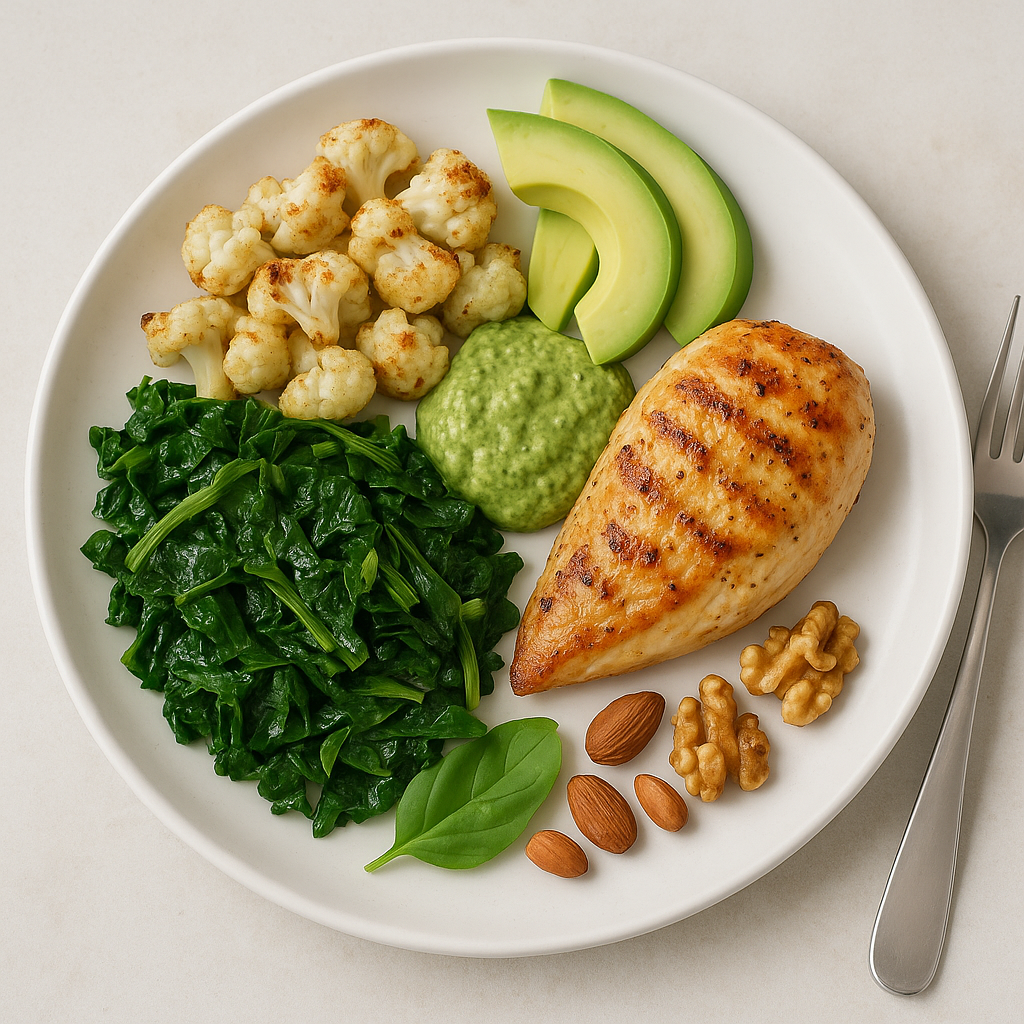
Dinners are where most people feel the pressure. Breakfast can be simple, lunch can be leftover-driven, but dinner carries emotional weight, the ritual of settling in, feeding the body after a long day, and feeling like you “did your diet right.” For someone learning to eat low-lectin, this is exactly where doubt creeps in. What’s allowed? What pairing won’t upset your digestion? How do you switch from old habits like pasta bowls, loaded burritos, and heavy starches, to something that still feels like a full, satisfying, grounding meal?
The truth is that low-lectin dinners don’t have to follow rigid recipes. You don’t need a binder of pre-approved meals or a long list of ingredients to memorize. Instead, what makes the lifestyle work long-term is discovering a flexible formula, a structure you can fill in with whatever you have on hand, whatever’s in season, or whatever you’re craving. Once you understand the basic architecture of a lectin-safe dinner, every meal becomes customizable. You gain confidence not because you memorized rules, but because you understand the pattern beneath them.
This is the heart of the build-your-own dinner template. It’s not a recipe. It’s a framework is one you’ll naturally adapt over time until it becomes second nature.
The Foundation: Choosing a Safe, Satisfying Base
Every great dinner begins with a foundation, though you may not think of it that way. In a traditional Western meal, the “base” typically looks like pasta, potatoes, rice, or bread, foods that offer bulk, calorie density, and comfort. But when someone transitions away from high-lectin staples, this part of the plate can suddenly feel like a void.
What fills that space? What provides that feeling of grounding after a long day?
Low-lectin eating reframes the concept. Instead of reaching for grains or nightshades, the base becomes something gentler and more nutrient-dense. Think of sautéed leafy greens, cauliflower mash, roasted cruciferous vegetables, spaghetti squash, or a medley of mushrooms. These foods behave like a canvas. They hold flavors well. They can be creamy, crispy, or tender. They’re easy on digestion. And most importantly, they don’t require a complicated skill set to prepare.
This foundational portion of the meal sets the tone. It gives your plate volume. It ensures your stomach feels fed, not teased. And because these vegetables adapt to any seasoning style from Mediterranean to Asian-inspired to rustic and earthy, you never feel boxed into one kind of cuisine.
Once people learn to think this way, dinner becomes more freeing than restrictive. You’re not losing your base. You’re reinventing it.
The Protein Element: Gentle, Clean, and Versatile
With the base established, the meal needs an anchor. Protein provides that sense of structure, the feeling that dinner is dinner. In a low-lectin lifestyle, the focus shifts toward proteins that are clean, simple, minimally processed, and easy for the body to handle. This doesn’t mean plain or boring. It means that instead of relying on heavy breading, thick sauces, or marinades with hidden irritants, you begin with whole ingredients that pair beautifully with almost anything.
Whether you prefer poultry, fish, shellfish, pasture-raised meats, or plant-forward proteins like pressure-cooked lentils, the idea is to treat this element as the “center of gravity” of the meal. It offers richness, satiety, and the stability that keeps your blood sugar from fluctuating wildly late at night.
What makes protein interesting in a template like this is that it adapts to your mood. Feeling cozy? Roast chicken thighs with herbs. Want something light? A pan-seared filet of fish layered over greens. Craving something quick and energetic? Ground turkey sautéed with garlic and herbs can be tossed into nearly any vegetable base. The key is not complexity but clarity with clean ingredients, gentle seasonings, and cooking methods that don’t overwork your digestion.
And because this template isn’t fixed, you can swap things nightly without abandoning the structure. Once you realize your dinner works simply because these components work together, repetition actually becomes comforting not boring.
The Flavor Bridge: Sauces, Aromatics, and the Magic of Simple Seasoning
Here’s where most people rediscover their creativity. If the base is what gives the meal volume, and the protein gives it substance, then the flavor bridge ties everything together. This is the part of dinner where you bring personality into the meal. It can be as subtle as olive oil and lemon or as bold as fresh herbs, garlic, ginger, or a homemade dressing poured warm over the plate.
In most households, sauces and condiments are where lectins hide like in nightshade-heavy tomato sauces, seed-oil-filled dressings, thickened gravies, or store-bought marinades loaded with soy, syrups, and additives. A low-lectin lifestyle rethinks this space by focusing on whole-ingredient flavor enhancers rather than processed shortcuts.
What surprises many people is how little you actually need to transform a meal. A drizzle of avocado oil with rosemary can take roasted vegetables from simple to luxurious. A creamy blend of basil, lemon, garlic, and olive oil can become a dressing that works on anything from chicken to salmon to leafy greens. Even something as easy as cooking aromatics in butter with onions, mushrooms, or herbs, creates a natural sauce without ever opening a jar.
This is the most playful part of building your dinners. The flavor bridge is where you explore, not with complicated recipes, but with combinations that evolve over time as your palate adjusts, your health shifts, and your creativity expands.
Once you learn to rely on whole foods to flavor your meals, you never miss the old bottles in the refrigerator door.
The Add-Ons: Texture, Color, and Nutrient Depth
A well-constructed dinner isn’t only about flavor; it’s about texture and appearance. Humans naturally gravitate toward meals that look alive, vibrant, fresh, and varied. Low-lectin eating encourages that instinct rather than dulling it with sameness.
Add-ons are the finishing touches that take a good dinner and make it feel intentional.
A handful of mixed greens lightly dressed. A spoonful of olives. A sprinkle of nuts or seeds that have been prepared safely. A topping of sautéed mushrooms or onions. A few slices of avocado. These elements don’t dominate the meal. They elevate it. They add crunch, creaminess, or acidity in a way that rounds out the entire experience.
What’s especially powerful about this part of the template is that it supports nutrient diversity. Instead of eating the same five foods every week and hoping your gut responds well, you introduce small, varied components that broaden your diet gently. It helps with micronutrient intake, supports the microbiome, and keeps meals exciting without overwhelming your stomach.
Over time, you start to see dinner not as a single dish but as a small ecosystem of ingredients that support one another. The plate becomes balanced by design.
Putting the Template Together: Dinner Without the Guesswork
Once all four components, base, protein, flavor bridge, and add-ons are understood, the nightly question of “What am I going to eat?” becomes far less stressful. Instead of starting from zero every evening, you build meals the way an artist builds a canvas: broad strokes, then detail, then the finishing highlights.
Some nights your base will be roasted vegetables; other nights it may be sautéed greens or a bowl of cauliflower mash. Some nights your protein will be hearty and grounding; other nights it will be delicate and mild. The flavor bridge shifts with your mood, your herbs, or your energy level. And the add-ons fill in the spaces that make the meal visually and nutritionally satisfying.
This approach is more than convenience. It’s resilience. It ensures that when life gets chaotic, you never feel like you “fell off” the lifestyle simply because you didn’t have a specific recipe on hand. The framework travels with you. It works in small kitchens, busy families, and even while traveling or eating on a budget.
You don’t have to reinvent dinner. You simply have to assemble it.
Why the Template Works: Predictability Without Repetition
There’s a quiet psychological benefit to eating this way. When your dinners follow a predictable structure, your body learns the pattern. Digestion becomes more consistent. Your energy levels even out. You begin to notice subtle differences in how you feel from ingredient changes because the overall framework stays stable. This is one of the hidden strengths of low-lectin eating, not strictness, but clarity.
Instead of chaotic meals that vary wildly in ingredients, preparation methods, and density, your body receives meals that are diverse within a predictable architecture. That creates less inflammation, less confusion for the gut, and fewer surprises that leave you wondering what you reacted to.
The structure brings peace. The customization brings joy.
Most diets fail because they trap people in rigid repetition. This template succeeds because it gives people both freedom and guidance. It becomes a lifestyle rather than a set of instructions.
Learning to Trust Yourself in the Kitchen
One of the most profound shifts people experience when adopting a build-your-own dinner approach is that they rediscover their own intuition. Instead of searching for recipes online or worrying about doing something “wrong,” they develop a feel for ingredients again. They taste as they go. They adjust a seasoning or add a garnish not because a recipe demands it but because their senses tell them so.
This kind of confidence doesn’t come from perfect meals. It comes from repeated small successes. And low-lectin cooking, by its nature, lends itself well to that process. The foods are simple. The techniques are gentle. The outcomes are forgiving. If you over-roast cauliflower, it still tastes good. If your chicken browns a little too much, it’s still delicious. If your greens wilt more than expected, they still serve the meal.
What matters is not perfection but learning to trust that you can assemble your dinner using this structure in a way that supports both your health and your creativity.
Over time, the template fades into the background not because it stops mattering, but because it becomes instinct.
A Lifestyle That Grows With You
What makes the build-your-own dinner formula so powerful is that it’s not static. As your tastes evolve, your health improves, or you experiment with new ingredients, the structure adapts. A year from now, your dinners may look completely different from today but they’ll still fit the template. The base might be more varied. The proteins might shift to what your body responds best to. The flavor bridges might become more adventurous. The add-ons might become more vibrant and nutrient-dense.
And none of those changes require you to relearn the system. You’re simply slotting new pieces into a familiar layout.
Low-lectin eating works best when it’s flexible. Health is not a straight line, and neither is dinner. Some nights you’ll crave comfort. Some nights you’ll crave simplicity. Some nights you’ll want something bright and energizing. The template bends with your needs instead of forcing you into a corner.
The end goal is not to follow a formula forever, it’s to understand your body well enough that the formula becomes your own.
Closing Thoughts: Building Dinner, Building Confidence
A good dinner is more than a plate of food, it’s a gesture of self-care. When you build meals intentionally, with ingredients that support your digestion, your energy, and your long-term health, you’re doing more than solving the nightly problem of “What’s for dinner?” You’re teaching yourself that nourishment can be simple, personalized, and deeply satisfying.
The build-your-own dinner template is the answer for anyone who wants structure without rigidity. It ensures that dinners are balanced, lectin-safe, and tailored to your tastes. It eliminates guesswork. It empowers creativity. And it proves that eating well doesn’t require perfection, just a dependable framework and the willingness to explore within it.
Once you learn this formula, you’ll never look at dinner the same way again. Instead of rules, you’ll see possibilities. Instead of restrictions, you’ll see pathways. And instead of stress, you’ll see a plate that supports your body, your gut, and your journey… one meal at a time.