Thanksgiving dinner presents a particular challenge for anyone following a low-lectin lifestyle. The centerpiece of the traditional American Thanksgiving meal, roasted turkey, fits comfortably into many low-lectin eating plans, yet the dishes surrounding it often contain wheat, white potatoes, corn, legumes, and other ingredients that some people prefer to limit. Even when the holiday meal itself is manageable, several days of leftovers can complicate an otherwise established eating routine.
Thanksgiving leftovers are also among the most useful ingredients a home cook can have available. A refrigerator containing roasted turkey, cooked vegetables, fresh herbs, and homemade stock provides the foundation for several days of meals with relatively little additional preparation. Selecting which leftovers to keep, separating ingredients during storage, and incorporating them into new dishes can make the days following Thanksgiving considerably easier.
Whether you prepared your own Thanksgiving feast or returned home with containers of food from a family gathering, much of that food can find its way into your regular meals. The opportunity begins with identifying the ingredients you have available and deciding which ones fit comfortably into your usual approach to eating.
Understanding Lectins in the Traditional Thanksgiving Meal
The traditional Thanksgiving menu contains several ingredients commonly restricted within low-lectin dietary approaches. Wheat-based stuffing, dinner rolls, mashed white potatoes, corn, green bean casserole, and flour-thickened gravy are familiar examples. Commercial versions of these dishes may also contain ingredients that are difficult to identify without examining the recipe or packaging.
A January 2026 scientific assessment from the European Food Safety Authority (EFSA) examined the potential health risks associated with plant lectins and the effects of food preparation on their activity. The assessment confirmed that inadequately cooked beans containing phytohaemagglutinin (PHA), a particular type of lectin, present an established food-safety concern. However, sufficient evidence for a detailed risk characterization was available only for PHA, with substantial gaps remaining in the research on other dietary lectins and their effects in humans.
These findings help put traditional holiday ingredients into perspective. Properly prepared green beans, potatoes, and wheat-based stuffing should not automatically be considered hazardous because they contain plant lectins. Someone following a low-lectin lifestyle may nevertheless choose to limit these foods based on previous dietary observations or an ongoing effort to identify ingredients that contribute to digestive discomfort.
There are nutritional considerations as well. As discussed in Harvard’s Nutrition Source overview of lectins, foods such as legumes and whole grains provide valuable fiber, protein, vitamins, and minerals. Readers who regularly exclude these foods can help maintain dietary variety by incorporating a broad selection of vegetables, fruits, nuts, and other nutrient-rich ingredients that fit their eating preferences.
Building a Low-Lectin Thanksgiving Plate
Plain turkey is a convenient starting point because the meat itself is not a source of the plant lectins associated with grains, legumes, and nightshade vegetables. The preparation deserves more attention, particularly when commercial marinades, seasoning blends, glazes, or stuffing are involved. A turkey seasoned with olive oil, rosemary, thyme, sage, garlic, and salt can provide familiar holiday flavors without requiring specialized ingredients.
Side dishes offer considerable flexibility. Roasted Brussels sprouts, carrots, cauliflower, mushrooms, asparagus, and sautéed leafy greens can accompany turkey without relying on conventional bread stuffing or white potatoes. Sweet potatoes are another popular choice within low-lectin eating plans, although their botanical distinction from white potatoes does not, by itself, establish their precise lectin content.
Several traditional Thanksgiving dishes can be adapted while preserving much of their familiar character:
- Mashed potatoes: Substitute mashed cauliflower, mashed sweet potatoes, or a combination of the two.
- Bread stuffing: Prepare a savory vegetable and mushroom dressing with celery, onions, sage, thyme, and a suitable bread alternative.
- Green bean casserole: Prepare roasted Brussels sprouts or cauliflower with a homemade mushroom cream sauce.
- Traditional gravy: Reduce turkey stock and drippings or use arrowroot or tapioca starch if avoiding wheat flour.
- Dinner rolls: Consider cassava flour or almond flour rolls prepared using recipes specifically developed for those ingredients.
- Cranberry sauce: Prepare a homemade version with fresh cranberries, orange zest, and a sweetener of your choice.
Alternative ingredients sometimes require adjustments to familiar cooking techniques. Arrowroot and tapioca starch are generally mixed with cold liquid before being incorporated into hot stock, and excessive cooking or generous quantities can produce an undesirable gummy or stringy texture. Reducing stock or incorporating puréed cooked vegetables offers another way to give gravy body without adding flour.
Cassava flour and almond flour also behave differently from wheat flour and from each other. Their differences in fat content, starch composition, moisture absorption, and binding properties make direct substitutions in conventional bread recipes unreliable. Choosing a recipe developed specifically for the alternative flour generally produces more predictable results.
If someone else is preparing Thanksgiving dinner, bringing one or two compatible dishes can simplify the occasion. A generous serving of roasted vegetables or homemade cauliflower mash provides something familiar to enjoy while contributing to the shared meal. Preparing enough for several people also allows those dishes to become part of the leftovers available after the gathering.
Bringing Thanksgiving Leftovers Home
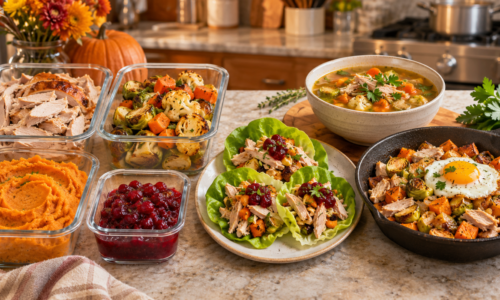
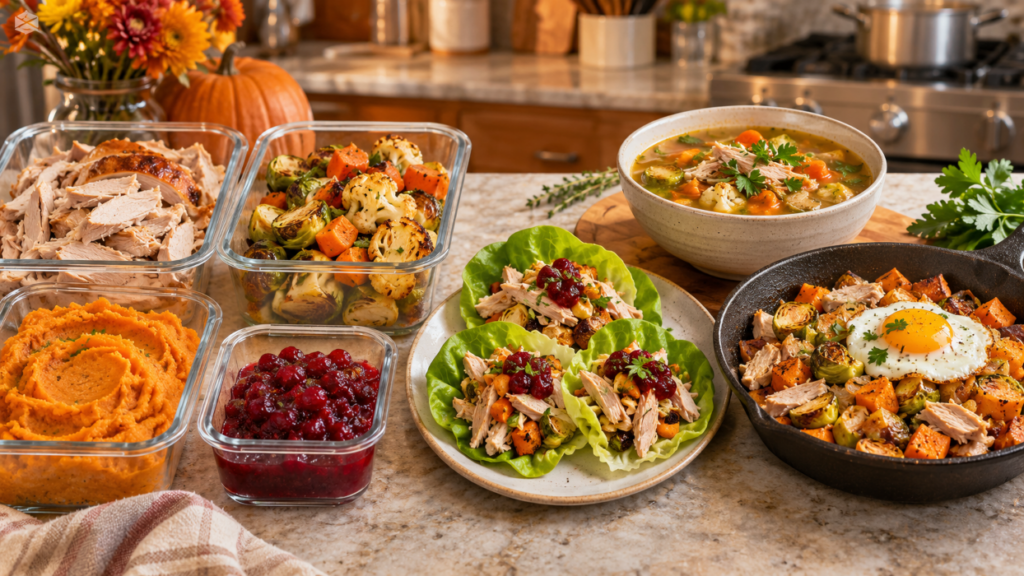
Accepting leftovers from a family gathering becomes easier when the individual components are packed separately. Containers of carved turkey, roasted vegetables, and cranberry sauce offer considerably more flexibility than a single container filled with turkey, stuffing, potatoes, and gravy.
Keeping sauces and dressings separate is particularly useful when their ingredients are uncertain. Prepared gravy may contain wheat flour, cornstarch, or seasoning mixtures that include paprika and other nightshade-derived spices. Commercial stuffing, broth, and casserole mixes may also contain ingredients that are not immediately apparent in the finished dish.
Removing stuffing from a serving of turkey or scraping gravy from vegetables may reduce the quantity of an unwanted ingredient, but traces can remain. This distinction becomes especially significant for anyone with a diagnosed food allergy or celiac disease, where avoiding cross-contact is a medical requirement rather than an ordinary dietary preference.
Food temperature also deserves attention when transporting leftovers. Pack chilled perishable foods in an insulated cooler with sufficient ice or frozen gel packs to maintain a temperature of 40°F (4°C) or below, consistent with the FDA’s recommendations for transporting food safely. Time spent transporting food without adequate temperature control counts toward its total exposure to unsafe temperatures, including the time it previously spent on the dinner table.
Turning Leftover Turkey into Low-Lectin Meals
Turkey becomes especially useful after Thanksgiving because much of the preparation has already been completed. Breast meat works well in salads and wraps, while dark meat generally retains its moisture better during reheating and lends itself to soups, casseroles, and skillet meals. Separating the meat into smaller portions before storage makes it easier to select an appropriate amount for each dish.
Turkey and Vegetable Soup
Homemade turkey soup is a straightforward way to give Thanksgiving leftovers a different character. Turkey stock, shredded meat, carrots, celery, onions, mushrooms, and leafy greens create a substantial meal without requiring traditional noodles, beans, or barley. Cauliflower florets or diced sweet potatoes can provide additional texture and substance.
Begin by cooking any raw vegetables in the stock until they are tender, then incorporate the cooked turkey and leftover roasted vegetables. Adding previously cooked vegetables toward the end helps preserve their texture, while limiting the turkey’s exposure to prolonged cooking reduces the likelihood of dry, stringy meat. Bring the finished soup to a rolling boil and ensure the reheated ingredients reach 165°F (74°C).
Fresh parsley, thyme, sage, and a little lemon juice can brighten the broth, particularly if the original turkey was prepared with rich seasonings. Taste the soup before adding salt, since seasoned turkey, prepared stock, and leftover gravy can already contribute a considerable amount of sodium.
Turkey and Sweet Potato Breakfast Hash
Leftover roasted sweet potatoes and turkey make an excellent foundation for a savory breakfast skillet. Sautéed onions, mushrooms, and chopped spinach complement the sweetness of the potatoes, while rosemary or sage carries some of the familiar Thanksgiving flavor into the following morning.
Cooked sweet potatoes are softer than raw diced potatoes, so allowing their surfaces to brown before stirring helps preserve their shape. Once the vegetables are ready, incorporate the turkey and heat the mixture thoroughly to 165°F (74°C). Serve with a cooked egg if desired, or add a small portion of leftover cranberry sauce for a tart accompaniment.
A hash also provides a useful destination for smaller quantities of vegetables that might otherwise remain untouched in the refrigerator. A few roasted Brussels sprouts, leftover carrots, or pieces of cauliflower can easily become part of the skillet without requiring substantial changes to the preparation.
Turkey Lettuce Wraps and Grain-Free Sandwiches
The traditional Thanksgiving turkey sandwich can be adapted using large lettuce leaves or a preferred grain-free wrap. Butter lettuce and romaine provide a fresh, crisp foundation for sliced turkey, avocado, cucumber, and homemade dressing. Properly cooked and refrigerated turkey can be eaten cold within its recommended storage period, making these wraps particularly convenient.
Cassava flour tortillas offer another possibility for readers who prefer something closer to a conventional sandwich. A small spoonful of cranberry sauce pairs particularly well with sliced turkey, while avocado provides a creamy texture that complements the meat.
If the leftover turkey breast has become somewhat dry during refrigeration, mixing chopped pieces with olive oil, lemon juice, and plain yogurt, if tolerated, can improve the texture of a cold turkey salad. Chopped celery and walnuts provide additional crunch, and the mixture can be served over leafy greens or spooned into lettuce cups.
Turkey and Cauliflower Cottage Pie
A cottage pie-inspired casserole offers a practical destination for several Thanksgiving leftovers. Shredded turkey, cooked carrots, mushrooms, celery, and a suitable leftover gravy can form the filling, while mashed cauliflower or sweet potato provides the topping.
Cauliflower mash can release considerable moisture during cooking. If the leftover mash appears watery, gently cooking off some of the excess liquid before assembling the casserole can help prevent the finished dish from becoming overly loose. A topping of mashed sweet potato produces a firmer alternative in many preparations, with a slightly sweeter flavor that complements savory turkey and herbs.
Because the filling and topping contain previously cooked ingredients, the assembled casserole should reach an internal temperature of 165°F (74°C). Check the center of the filling with a food thermometer rather than relying on the appearance of the browned topping, which may develop color before the interior has heated sufficiently.
Giving Thanksgiving Side Dishes a Second Life
Leftover vegetables often receive less attention than the turkey, despite being among the easiest ingredients to incorporate into subsequent meals. Roasted Brussels sprouts can be chopped into a breakfast skillet, while carrots and cauliflower can be blended with stock to create a vegetable soup. Sautéed greens work particularly well in omelets or folded into vegetable casseroles.
Mashed sweet potatoes provide opportunities beyond their original role as a side dish. They can thicken soups, form part of the base for savory vegetable patties, or contribute moisture to baked goods specifically formulated for sweet potato purée. Their sweetness also pairs well with cinnamon, ginger, and nutmeg in breakfast preparations, although previously seasoned or sweetened potatoes may require adjustments to the other ingredients.
Homemade cranberry sauce is another versatile leftover. Its acidity complements roasted meats and can be incorporated into a salad dressing by mixing a small amount with olive oil and vinegar. It also pairs well with unsweetened yogurt, cottage cheese, or other suitable alternatives.
Gravy can contribute considerable flavor to otherwise simple meals. If its ingredients fit your eating habits, a small portion can enrich turkey soup, provide moisture to a casserole, or become the foundation of a mushroom sauce. Freezing gravy separately in small portions allows you to select the quantity needed for future dishes without thawing the entire batch.
Can Pressure Cooking Make Traditional Leftovers More Suitable?
Pressure cooking is frequently discussed within low-lectin cooking because moist, high-temperature preparation can substantially reduce the activity of certain plant lectins. In one published study examining the effects of heat processing on red kidney beans, pressure cooking under controlled conditions reduced measurable lectin activity below detectable levels. That finding applies to the beans and processing conditions studied and does not establish equivalent results for every food or household pressure-cooking method.
Applying pressure cooking to an already prepared Thanksgiving dish presents a different situation. There is insufficient evidence to establish that pressure cooking leftover wheat stuffing, mashed white potatoes, or a mixed casserole reliably reduces lectin activity to a particular level. Multiple ingredients, differences in moisture, and previous cooking methods make the outcome difficult to predict.
Additional pressure cooking can also compromise the culinary qualities of finished dishes. Bread stuffing may become excessively soft, roasted vegetables can lose their structure, and cooked turkey breast may develop a dry or stringy texture. Selecting compatible components and incorporating them into new meals is generally more practical than attempting to change the lectin content of an entire prepared dish.
A better application of the pressure cooker is preparing homemade turkey stock from the remaining carcass and bones, provided they have been handled and stored safely. The resulting stock can be incorporated into soups, sauces, and vegetable dishes. Once prepared, strain the stock and divide it into smaller containers for rapid cooling rather than leaving a large quantity to cool slowly inside the cooking vessel.
Storing and Reheating Thanksgiving Leftovers Safely
Thanksgiving meals are often prepared in large quantities and served over an extended period. Between the main meal, dessert, conversation, and guests returning for additional servings, perishable foods can easily remain at room temperature longer than intended. Ingredient selection and cooking methods do not change the basic food-safety requirements for storing those leftovers.
The National Center for Home Food Preservation recommends refrigerating perishable leftovers within two hours of cooking or removal from safe hot holding at 140°F (60°C) or above. When the surrounding temperature exceeds 90°F (32°C), the USDA reduces the allowable time to one hour. Perishable food exceeding these limits should be discarded, since subsequent refrigeration or reheating cannot reliably correct unsafe handling.
Carve the turkey and remove any stuffing from the cavity before storing the leftovers separately. Divide large quantities of food into shallow containers to promote rapid cooling, and avoid tightly stacking warm containers in the refrigerator while their contents are still cooling. Small portions of hot food can be refrigerated promptly without waiting for them to reach room temperature.
Follow these storage and reheating guidelines:
- Refrigerator temperature: 40°F (4°C) or below.
- Freezer temperature: 0°F (-18°C) or below.
- Refrigerated turkey, stuffing, and most cooked leftovers: Use within three to four days or freeze.
- Refrigerated gravy: Use within one to two days or freeze, following the more conservative recommendation from the National Center for Home Food Preservation.
- Frozen Thanksgiving leftovers: Use within approximately three to four months for best quality, although continuously frozen food remains safe beyond that period.
- Reheating temperature: 165°F (74°C), measured with a food thermometer.
- Soups, sauces, and gravies: Bring to a rolling boil during reheating.
For a meal prepared on Thanksgiving Thursday, the following Monday represents the general four-day limit for most properly refrigerated leftovers. Foods prepared before Thanksgiving may reach their recommended storage limit sooner. Refrigerated leftovers that have exceeded their safe storage period should be discarded even if their appearance and smell remain normal.
The USDA’s guidance on storing and reheating Thanksgiving leftovers explains that suitable frozen leftovers can be reheated directly without thawing, provided they reach the required internal temperature throughout. When reheating turkey in the microwave, cover the meat with a vented, microwave-safe cover and add a little stock if necessary. Allow the food to rest briefly after heating, then check its temperature in several locations to account for uneven heating.
Rather than repeatedly warming an entire container of turkey or vegetables, remove only the portion needed for the next meal. Turning older refrigerated leftovers into soup or a casserole should not be relied upon to extend their storage life. Freezing surplus food early in the holiday weekend provides a more dependable way to preserve ingredients for future meals.
Returning to Your Regular Eating Routine
Thanksgiving introduces several variables that can complicate food and symptom tracking. Larger portions, unfamiliar ingredients, richer foods, desserts, alcohol, disrupted sleeping schedules, and holiday stress can make digestive changes more difficult to interpret. Eating the same combination of leftovers over consecutive days may further complicate efforts to identify which ingredients contributed to discomfort.
The National Institute of Diabetes and Digestive and Kidney Diseases (NIDDK) identifies several potential dietary contributors to gas and bloating, including carbohydrates that are incompletely digested, high-fat foods, certain dairy products, and cruciferous vegetables. Several of these foods may appear on a low-lectin Thanksgiving menu. Digestive symptoms following a holiday meal therefore cannot automatically be attributed to lectins, even when they resemble symptoms previously associated with particular foods.
If you maintain a food and symptom journal, record the individual components and approximate portions of your Thanksgiving meals whenever possible. Rather than recording a meal simply as turkey dinner, document the stuffing, gravy, vegetables, desserts, beverages, and unfamiliar ingredients. Include when symptoms develop and what you consume over the following days, recognizing that an observed association may warrant further investigation without establishing its biological cause.
Returning to familiar meals and ordinary portion sizes provides a more consistent background for observing food tolerance. There is no established need for a special detoxification routine or compensatory fasting period following a Thanksgiving meal that included ingredients outside your usual dietary preferences.
Consider organizing the remaining holiday food according to how it will be used over the coming weeks. Freeze shredded turkey in soup-sized portions, store homemade stock separately, and label each container with its contents and preparation date. Several weeks after Thanksgiving, those carefully stored ingredients can provide the foundation for a homemade vegetable soup, a savory breakfast skillet, or a quick turkey casserole on an evening when there is little time to cook.