

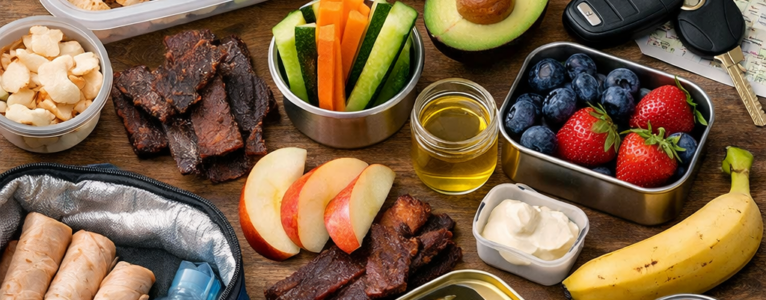
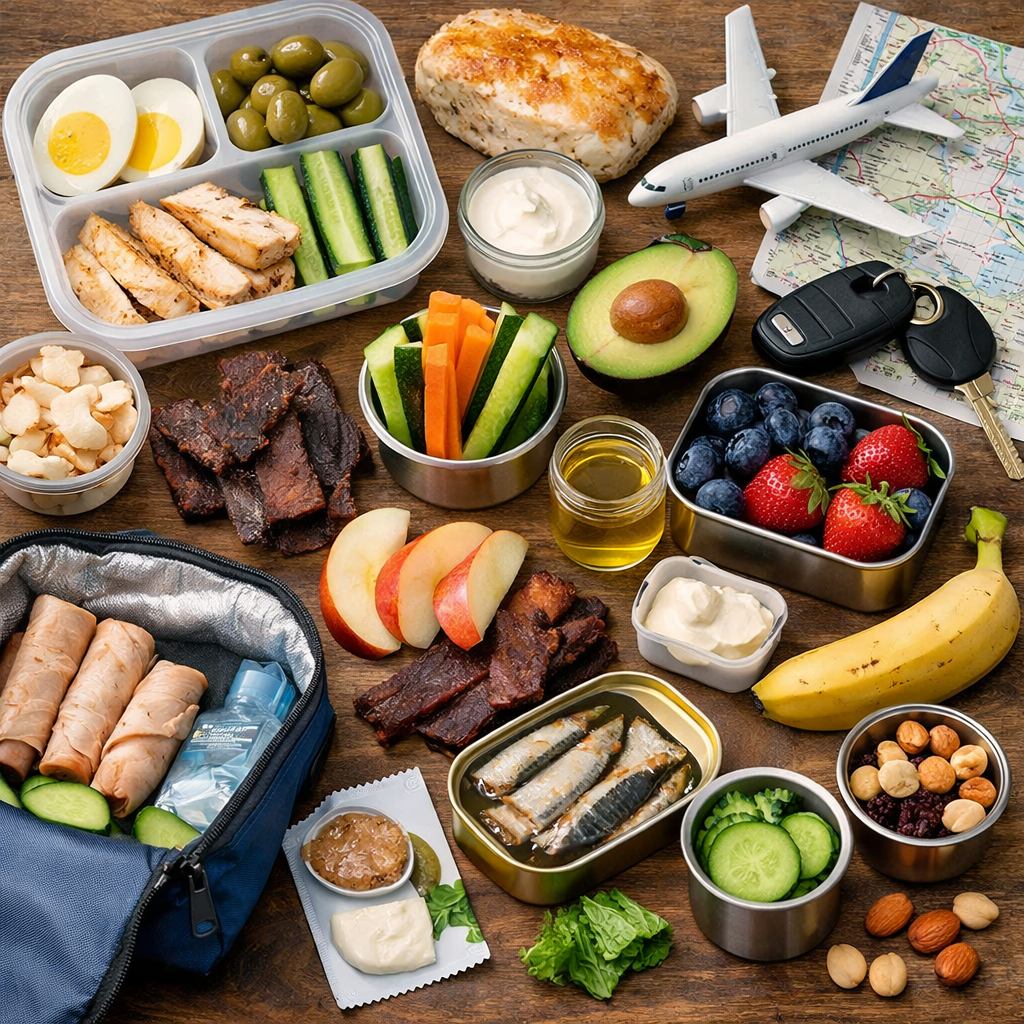
Busy schedules and time away from home are often where good intentions around eating begin to fray. When meetings run long, flights get delayed, or road trips stretch on, snacks tend to become an afterthought grabbed from whatever is closest. For people following a low-lectin approach, this can feel especially challenging. Many conventional snack foods rely on ingredients like grains, legumes, nightshades, or seed oils that may not align with low-lectin guidelines.
The good news is that snacking does not have to be complicated or restrictive. With a bit of planning and an understanding of which foods travel well, it is entirely possible to stay nourished, energized, and comfortable even on the busiest days. This guide focuses on practical, real-world snack ideas that work at home, on the road, and in the air.
Understanding What Makes a Snack Low-Lectin
Before diving into specific ideas, it helps to understand the basic principles that make a snack compatible with a low-lectin lifestyle. Lectins are carbohydrate-binding proteins found in many plant foods, particularly in grains, legumes, and some vegetables. While not everyone reacts to lectins the same way, many people find that reducing them helps support digestion, inflammation balance, and energy stability.
Low-lectin snacks typically emphasize whole foods that are naturally low in lectins or have been prepared in ways that reduce lectin content. These often include certain fruits, animal proteins, healthy fats, and carefully chosen vegetables. Minimally processed foods are generally easier to trust, especially when labels become confusing or incomplete.
Why Snacks Matter on Busy Days
Snacking is not just about curbing hunger. On hectic days, snacks can help regulate blood sugar, prevent energy crashes, and reduce the temptation to grab foods that do not serve your body well. For travelers, snacks also provide a sense of control in environments where food options are limited or unpredictable.
Skipping snacks entirely can sometimes backfire. Long gaps between meals may lead to overeating later or increased sensitivity to foods that might otherwise be tolerated. Thoughtful snacking can help keep your body steady and your decisions grounded.
Simple Animal-Based Snack Options
Animal-based foods tend to be naturally low in lectins and can be excellent snack choices when prepared thoughtfully. They are often rich in protein and fats, which promote satiety and stable energy.
Hard-boiled eggs are a classic option. They are portable, inexpensive, and easy to prepare ahead of time. Sprinkling them lightly with sea salt or pairing them with a small portion of olive oil can make them more satisfying.
Cooked chicken or turkey slices are another reliable choice. When made at home, you can control the ingredients and avoid fillers or additives found in many deli meats. Rolled into small portions or paired with approved vegetables, they work well for travel.
Wild-caught fish such as salmon or sardines can also serve as snacks, especially when packed in glass jars or BPA-free containers. While not always convenient in every setting, they are nutrient-dense and filling.
Fruit-Based Snacks That Travel Well
Certain fruits are generally considered low in lectins and can be easy to carry. Fruit snacks work particularly well for people who need quick energy or prefer lighter options between meals.
Apples are a popular choice due to their durability and long shelf life. They require no preparation and hold up well in bags or backpacks. Pears share similar benefits and are often gentle on digestion.
Berries, such as blueberries or strawberries, can be packed in small containers or reusable silicone bags. While more delicate, they provide antioxidants and natural sweetness without relying on processed sugars.
Bananas are convenient and widely available, though some people prefer to pair them with a protein or fat source to prevent blood sugar spikes. Nut-free options like coconut butter packets can help balance them.
Healthy Fats as Portable Snacks
Healthy fats are an important part of many low-lectin approaches and can be particularly useful for snacks. They help slow digestion and promote satiety, making them ideal for long stretches between meals.
Olives are a standout option. They are easy to pack, require no refrigeration for short periods, and come in a variety of flavors. Look for options preserved in olive oil or brine rather than seed oils.
Avocados can be trickier to travel with, but small avocados or pre-cut portions stored with lemon juice can work. Some people enjoy avocado sprinkled with salt as a standalone snack.
Coconut-based snacks, such as unsweetened coconut flakes or coconut butter, are also popular. They are shelf-stable and provide a quick source of fat and energy. Be mindful of portion sizes, as they are calorie-dense.
Vegetables That Make Sense on the Go
While many vegetables are nutritious, not all are equally convenient for travel. Low-lectin snack vegetables tend to be those that can be eaten raw or lightly cooked and that hold up well outside the refrigerator for short periods.
Cucumbers are refreshing and hydrating. Sliced cucumber with a pinch of salt or paired with olive oil makes a simple snack. Mini cucumbers are especially travel-friendly.
Carrots, while technically containing some lectins, are often tolerated in moderation by many people, especially when peeled. They are sturdy and widely available.
Leafy greens are less practical for travel but can be included in snack boxes or eaten at home between meals. Lightly steamed greens stored in airtight containers can sometimes work for short trips.
Homemade Snack Combinations
Combining foods can create more satisfying snacks and help balance macronutrients. Homemade snack packs allow you to customize portions and ingredients.
One simple combination is hard-boiled eggs with sliced fruit. This pairing offers protein, fat, and carbohydrates in a balanced way.
Another option is cooked chicken paired with cucumber slices and olive oil. This can be packed into small containers and eaten cold.
Coconut butter with apple slices is a popular sweet-and-savory option. The fat from the coconut helps slow the absorption of sugars from the fruit.
Low-Lectin Snacks for Air Travel
Air travel presents unique challenges. Security rules, limited food options, and long periods of sitting can make snacking tricky. Choosing snacks that comply with regulations and stay fresh is key.
Solid foods are generally easier to carry through security than liquids. Hard-boiled eggs, sliced fruit, olives, and cooked meats are typically acceptable.
Dehydrated snacks, such as dried coconut flakes or freeze-dried berries without additives, can be convenient and lightweight. Be sure to read labels carefully.
It is also wise to pack more than you think you will need. Delays are common, and having extra snacks can prevent desperation choices later.
Road Trip and Commute-Friendly Options
Road trips and daily commutes allow for a bit more flexibility, especially if you have access to a cooler or insulated bag. This opens up additional snack possibilities.
Reusable ice packs can keep perishable snacks safe for several hours. This makes options like cooked meats, fish, and fresh berries more feasible.
Snack boxes or bento-style containers help keep foods organized and prevent spills. They also make it easier to eat small amounts without overdoing it.
For long drives, snacks that can be eaten with one hand, such as apple slices or olives, are especially practical.
Store-Bought Snacks to Use Carefully
While homemade snacks are often ideal, there are times when store-bought options are necessary. Some packaged foods can fit into a low-lectin approach, but they require careful label reading.
Look for products with minimal ingredients and avoid those containing grains, legumes, nightshades, or seed oils if those are triggers for you. Added sugars and artificial flavors are also worth avoiding.
Jerky made from grass-fed meats with simple seasonings can sometimes work, though many brands include soy, sugar, or additives. Always check the ingredient list.
Single-ingredient snacks, such as plain dried fruit or olives, are often safer bets than multi-ingredient bars or crackers.
Planning Ahead Without Overcomplicating
One of the biggest barriers to consistent snacking is the perception that it requires constant preparation. In reality, small habits can make a big difference.
Preparing a batch of hard-boiled eggs or cooked protein once or twice a week can cover multiple days of snacks. Washing and portioning fruit ahead of time also saves effort later.
Keeping a small stash of shelf-stable snacks in your bag, car, or desk can act as a safety net. This reduces stress and decision fatigue when hunger hits.
Over time, these habits become routine rather than burdensome, making it easier to stay aligned with your goals.
Listening to Your Body While Snacking
Even low-lectin foods can affect people differently. Paying attention to how your body responds to various snacks is just as important as choosing the “right” ingredients.
Notice how different snacks affect your energy, digestion, and mood. Some people thrive on higher-protein snacks, while others prefer lighter options.
Snacking out of habit rather than hunger can sometimes mask underlying needs, such as hydration or rest. Checking in with yourself before reaching for food can be helpful.
Flexibility is key. A snack that works well at home may not feel as good during travel, and that is okay. Adjusting based on context and feedback helps build long-term sustainability.
Making Low-Lectin Snacking Work Long Term
Low-lectin snacking is not about perfection. It is about making choices that support your body most of the time, especially when circumstances are less than ideal.
Busy days and travel are not exceptions to your routine; they are part of real life. Building a repertoire of reliable snack options allows you to move through these moments with confidence rather than stress.
By focusing on whole foods, simple preparation, and awareness of your own responses, you can create a snacking approach that feels supportive rather than restrictive. Over time, these small choices add up, helping you maintain energy, comfort, and clarity wherever your day takes you.