


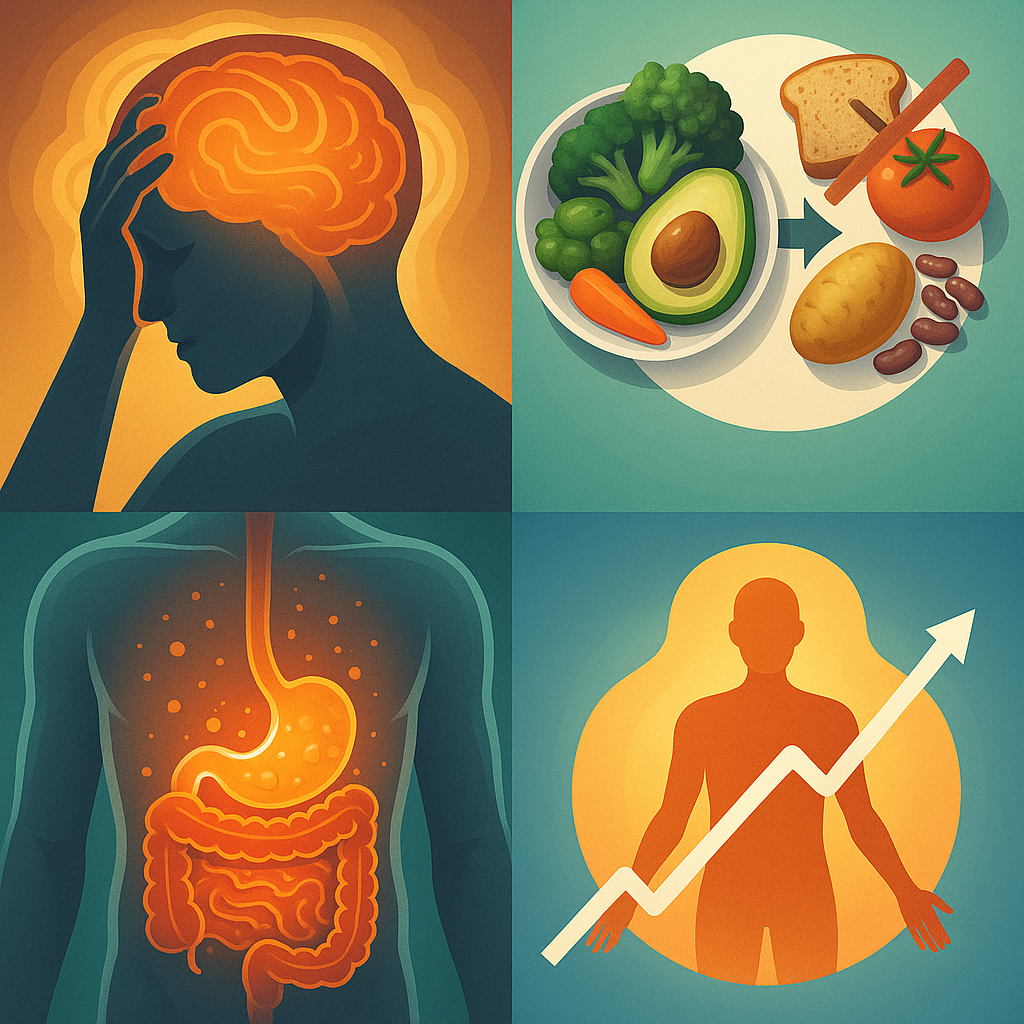
Many people arrive at low lectin eating feeling hopeful, motivated, and relieved to have found a possible explanation for their lingering symptoms. They imagine a clean break between their old habits and their new routine: remove the foods that may irritate the gut, replace them with gentler options, and watch the body steadily cooperate. Yet the first week or two can feel surprisingly turbulent. Some people experience headaches, fatigue, digestive changes, irritability, or a flare of the very symptoms they hoped would fade. It can feel as if the body is resisting the plan, even though the plan is designed to help it heal.
This early discomfort is common enough that many practitioners warn people about it, but the reasons behind it are more intricate than a simple adjustment period. The body is not just being deprived of something it was used to. It is also recalibrating at multiple levels. When lectins are reduced, the gut microbiome shifts its composition, inflammatory pathways respond to the change, and the nervous system reacts to a different pattern of blood sugar or digestion. Understanding why this happens can make the early days feel less frightening and more like an expected phase in a longer recovery.
The Gut’s Adjustment Period
The gut is a dynamic ecosystem, and its residents respond quickly to new conditions. High lectin foods are often carbohydrate dense, and they feed certain microbial populations more than others. When a person switches to a low lectin diet, the balance of nutrients reaching the gut shifts dramatically. Some bacteria lose their preferred fuel and begin to decline, while others finally have room to grow. These microbial changes can produce gas, bloating, or unusual bowel patterns as the old guard dies off and the new strains take over.
This process is not harmful, but it can be surprising. It is a bit like cleaning out a cluttered room. Moving things around temporarily creates more mess before the final order takes shape. The gut lining is also relearning how to function without the constant contact with lectins that may have irritated it. When irritation decreases, the immune system steps back, but healing tissues can feel tender along the way. A person may interpret the sensations as a worsening problem, when in reality it is part of the gut’s repair cycle.
Blood Sugar, Energy, and the Return to Stability
Another major shift occurs in energy regulation. Many high lectin foods are staples in modern diets, and they tend to be rich in starches. Removing or replacing these staples can reshape how the body manages blood sugar. Some people experience dips in energy at first as their metabolism shifts away from starch heavy meals and toward fats, proteins, and lower glycemic options.
This transition can mimic the early fogginess of any dietary shift. The brain is sensitive to glucose fluctuations, and when the timing or amount of carbohydrate changes, the body has to fine tune hormones such as insulin and cortisol. The temporary fatigue or irritability is usually not a sign of nutrient deficiency, but more a reflection of the body adjusting to a steadier flow of energy. Once that recalibration settles into place, people often notice their energy becomes more stable than it was before.
Lectin Withdrawal or Habit Withdrawal?
There is also a psychological layer to this early turbulence. Familiar foods activate emotional pathways that bring comfort and reward. Meals create routines, and routines create stability. When the foods change, the routine changes along with them. This shift might seem simple from a nutritional standpoint, but the mind reads it as an interruption of ritual.
Some foods eliminated on a low lectin plan may have been eaten daily for years: oatmeal, tomatoes, bread, potatoes, beans, or popular snack items. The sudden removal of these staples can feel similar to removing caffeine or sugar. It is not the lectins themselves that create addiction, but the pattern of eating that surrounds them. The body expects certain sensory experiences and may send out mixed signals when those experiences disappear. Temporary cravings or irritability are common during this psychological unwinding.
A Temporary Rise in Inflammation Markers
Ironically, people sometimes feel more inflamed when they first stop eating lectin rich foods. This can happen for several reasons. As the gut lining begins to repair, the immune system may still be clearing leftover irritants or microbial fragments. Inflammation ebbs and flows during any healing process, and it often spikes slightly before dropping.
Another reason involves water retention. Shifting sodium and carbohydrate intake can alter how the body stores fluids. Some individuals feel puffy or swollen in the first week simply because the body has not yet reset its electrolyte balance. This can be especially noticeable for people who ate a high amount of processed foods prior to changing their diet.
Despite these sensations, long term research suggests that reducing irritants and improving gut health generally lowers inflammation over time. The early flare tends to be short lived, fading as the body stabilizes.
Digestion Speeds Up or Slows Down as It Regroups
Digestive changes are often the most confusing part of the initial low lectin transition. Some people experience much faster digestion for a few days and think they are reacting poorly to their new foods. Others experience slower digestion and assume the diet is not working for them. In truth, either pattern can be normal.
Fiber type plays a major role here. When people remove grains, beans, or nightshades, they unintentionally remove a large amount of insoluble fiber that keeps the gut moving. If they do not replace it with new sources, digestion may slow temporarily. On the other hand, if they switch to vegetables and fruits high in soluble fiber, they may notice an initial increase in gas or bowel activity. Both effects usually settle when the body adapts and fiber intake becomes more consistent.
The digestive enzyme landscape also changes. Different foods require different enzymes, and the pancreas adjusts its enzyme output based on the diet. If the early food choices lean heavily toward fats or proteins, the body may take a few days to ramp up lipase or protease production. The result can be mild discomfort or a sense of heaviness after meals. This is not a sign of damage, only a sign of transition.
Emotional Turbulence and Hormonal Resetting
A lesser known reason people feel worse at first involves the tight connection between the gut and the brain. As inflammation shifts and the gut microbiome changes, neurotransmitter levels can fluctuate. The gut manufactures or regulates several brain related compounds, including serotonin and GABA. If the gut is adjusting, the nervous system may send more emotional or sensory feedback than usual.
Some people describe the early days of low lectin eating as foggy or emotionally sensitive. Others feel strangely restless or notice difficulty concentrating. These reactions typically improve as the new gut balance stabilizes. It is similar to restarting a computer system that has been overloaded. The temporary instability leads to a more reliable baseline later.
Hidden Food Sensitivities Become More Noticeable
Ironically, some of the early discomfort may not come from removing lectins at all, but from discovering underlying sensitivities that were previously overshadowed. When a person removes a major irritant from the diet, minor irritants suddenly become easier to notice.
For example, someone may have a mild reaction to dairy or certain nuts, but as long as they were eating heavy lectin foods daily, those smaller reactions were drowned out by bigger issues. Once the major irritants are removed, those subtler patterns rise to the surface. This is not a failure of the low lectin framework. It is an opportunity for deeper refinement. The early phase simply makes the body more honest about what it can and cannot tolerate.
The Difference Between Healing and Harm
Feeling worse before feeling better is not always a sign that the diet is harmful. Most of the time, it is proof that the body is adjusting, recalibrating, and beginning to repair from long term patterns. The distinction between healing discomfort and harmful reactions can be confusing, but there are some general guidelines.
If symptoms are mild and appear within the first few days of starting the plan, they are often part of the transition. If symptoms steadily improve within one to two weeks, the adjustment is likely going well. If symptoms intensify dramatically, especially after eating a specific food, that may indicate a separate food sensitivity rather than a normal reaction.
The body communicates in patterns rather than isolated events. Observing those patterns helps make sense of the experience. Many people notice that the discomfort comes in waves. The first wave happens in the first few days, followed by a gradual improvement. A second wave sometimes appears around the two week mark as the gut microbiome shifts again. After that, most people settle into a clearer rhythm.
The Long Arc of Improvement
Once the early turbulence quiets down, the benefits of low lectin eating begin to surface more consistently. People report clearer digestion, reduced bloating, steadier energy, fewer headaches, and more predictable moods. These improvements often belong to the deep repair phase, not the early withdrawal period.
By the time the body reaches this point, the gut lining has begun repairing itself more consistently, the immune system has recalibrated, and the microbiome has settled into a healthier balance. The digestive enzymes have adapted to the new routine, and the emotional responses tied to food patterns have softened. What felt chaotic at first now feels normal.
This arc mirrors many other healing processes. The body is not linear in the way it improves. It often dips before it climbs. In the context of lectin reduction, these dips are usually temporary signals that the internal environment is reorganizing itself.
Learning to Recognize Progress in Disguise
There is a subtle strength that comes from understanding the reasons behind discomfort. When people know that symptoms often feel worse before they feel better, they are less likely to panic or abandon the plan prematurely. They can interpret the signals of their body in a more informed, compassionate way.
This does not mean pushing through severe symptoms blindly. It does mean recognizing that early fluctuations are common and often temporary. The body prefers stability, and any major shift, even a healthy one, takes time to integrate.
If the discomfort is mild or predictable, it is usually part of the natural transition. If it is troubling or persistent, it may simply require adjusting the pace of the diet, increasing hydration, supporting digestion with fermented foods or gentle supplements, or spacing out the changes more gradually. The path is flexible, not rigid.
Moving Forward with Realistic Expectations
The early days of low lectin eating can feel confusing, but they are also revealing. They tell you where your metabolism was relying on old patterns, how your gut responds to change, and how strongly your body communicates when asked to do something different.
Most discomfort fades as the weeks progress, and the long term improvements are often significant. For many people, the clarity that emerges later feels worth the temporary struggle. Understanding the process helps prevent unnecessary worry and encourages a steadier mindset during the shift.
Feeling worse before feeling better is not a failure of the plan. It is the body acknowledging that something meaningful is happening. Once the body finishes its adjustment, the benefits often become clearer, stronger, and more reliable.