Why Baking Reduces Lectins Differently Than Roasting
When people begin paying attention to lectins, cooking quickly becomes part of the conversation. It is not just what you eat, but how you prepare it.

When people begin paying attention to lectins, cooking quickly becomes part of the conversation. It is not just what you eat, but how you prepare it.
When people first encounter the idea of lectins, the reaction is often confusion. These compounds are found in many foods that have been eaten for centuries.
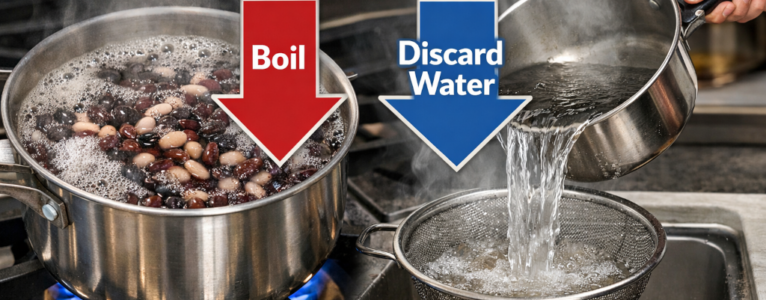
One of the simplest instructions you will see repeated in traditional cooking, ancestral food preparation, and modern low-lectin guidance is this: boil the food and discard the water.
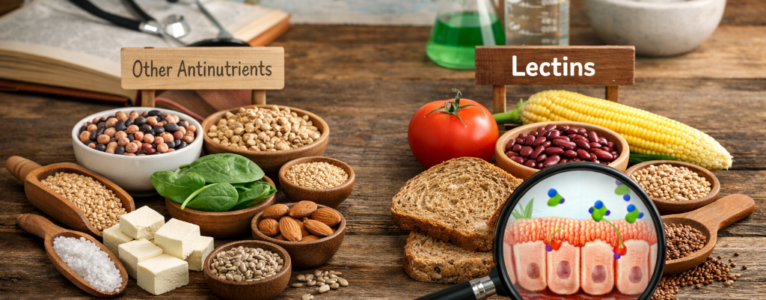
The word antinutrient has become a catch-all term in modern nutrition discussions. It appears in podcasts, blog posts, comment sections, and food debates, often framed as something to fear, eliminate, or ignore entirely.
Digestive discomfort is often blamed on what we eat. Ingredients get scrutinized, food groups are eliminated, and preparation methods become central to the conversation.
For many people working toward better digestive health, terms like lectin sensitivity, food intolerance, and even food allergies are often used interchangeably.