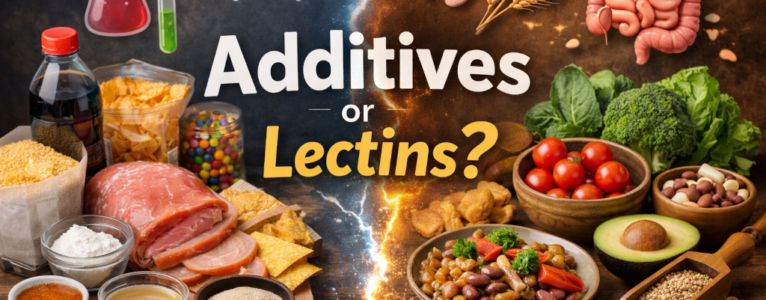
How Additives Can Mimic Lectin Reactions
One of the most confusing moments for people exploring a low-lectin lifestyle comes when they do “everything right” and still feel wrong. The ingredients check out. The food is technically low-lectin.

One of the most confusing moments for people exploring a low-lectin lifestyle comes when they do “everything right” and still feel wrong. The ingredients check out. The food is technically low-lectin.
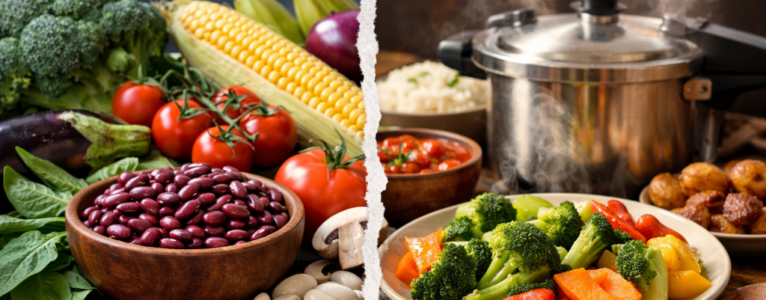
For decades, raw food has carried an almost untouchable reputation. Raw means natural. Raw means pure. Raw means healthy.
Many people begin a low-lectin lifestyle because of obvious reactions. Bloating after meals. Joint stiffness the next morning. Brain fog that seems to drift in and out without warning.
When your body reacts to food, it rarely sends a clear memo explaining why. Instead, it whispers through bloating, fatigue, joint stiffness, skin changes, headaches, or brain fog.
Digestive discomfort is often blamed on what we eat. Ingredients get scrutinized, food groups are eliminated, and preparation methods become central to the conversation.
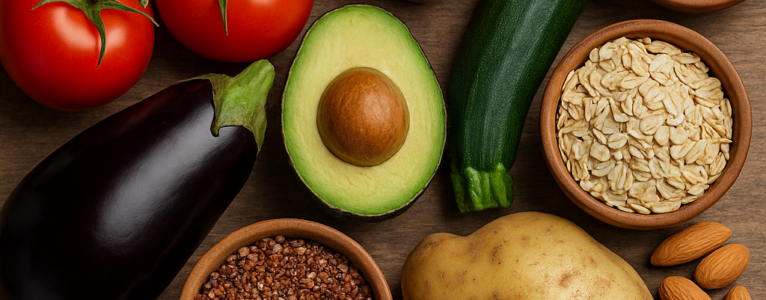
For many people, the idea of eating healthy feels straightforward. Choose whole foods, favor plants, avoid excessive sugar and processed ingredients, and everything should fall into place.
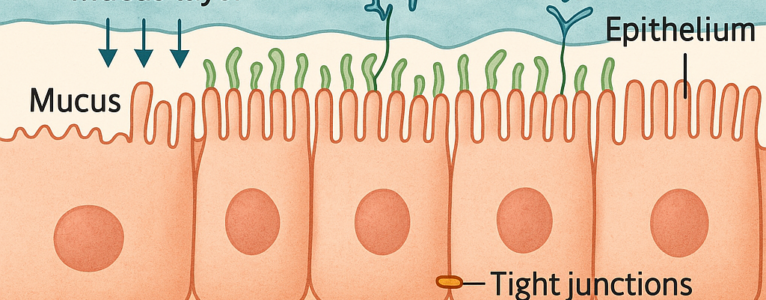
The moment food enters the body, a series of microscopic exchanges quietly begins. Most of these interactions are harmless and routine, fueling the body with nutrients that pass through cells without incident.
Lectins have become one of the more debated food compounds in recent years, not because they suddenly appeared in the human diet, but because people are beginning to notice that these natural proteins don’t affect everyone the same way.
Autoimmune diseases have a way of reshaping a person’s life slowly and silently. One morning it’s stiff joints. Another day it’s unexplained fatigue.
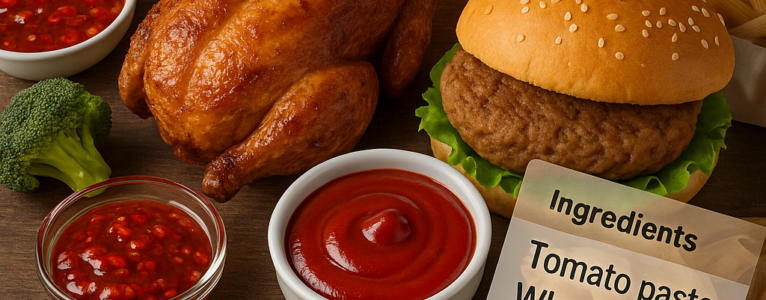
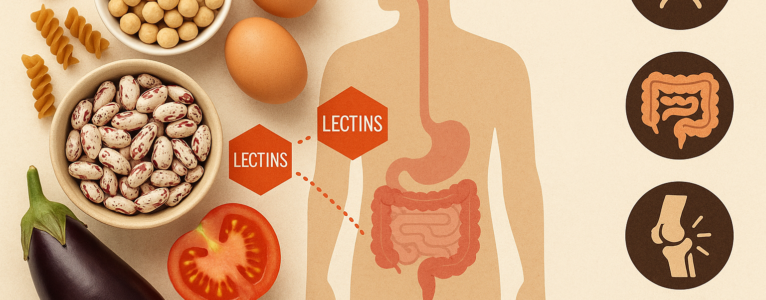
Most people imagine lectins as something you can spot with the naked eye; big, bold, obvious. A pot of beans simmering on the stove. A plate of tomatoes glistening with olive oil.