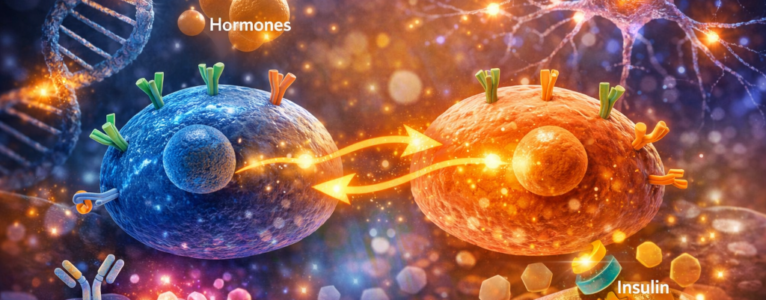
How Lectins Influence Cell Signaling
When people first hear about lectins, they are usually introduced to them as dietary troublemakers. Lectins are often described as plant proteins that irritate the gut, disrupt digestion, or trigger inflammation.

When people first hear about lectins, they are usually introduced to them as dietary troublemakers. Lectins are often described as plant proteins that irritate the gut, disrupt digestion, or trigger inflammation.
For most of human history, food preparation was not a matter of convenience. It was a matter of survival.
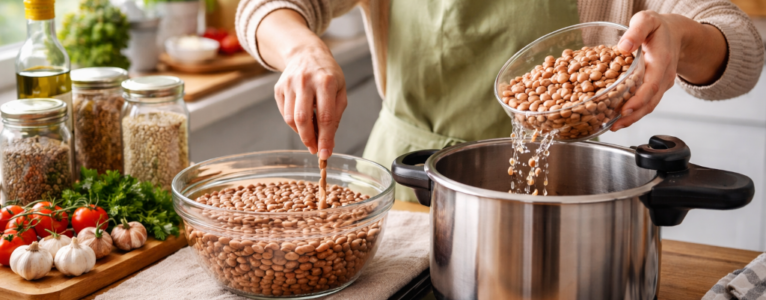
For most people trying to eat better, cooking shortcuts feel like survival tools. Modern life does not leave much room for soaking beans overnight, simmering broths for hours, or carefully peeling and deseeding vegetables after a long workday.
For most of human history, food was not something that came shrink-wrapped with an ingredient label or delivered within minutes of tapping a screen.
For decades, cooking has been treated as the great equalizer of plant foods. Heat, we’re told, neutralizes harmful compounds, makes foods safer to eat, and improves digestibility.
Sous-vide cooking has earned a reputation as one of the most precise and gentle ways to prepare food.
When people begin paying attention to lectins, cooking quickly becomes part of the conversation. It is not just what you eat, but how you prepare it.
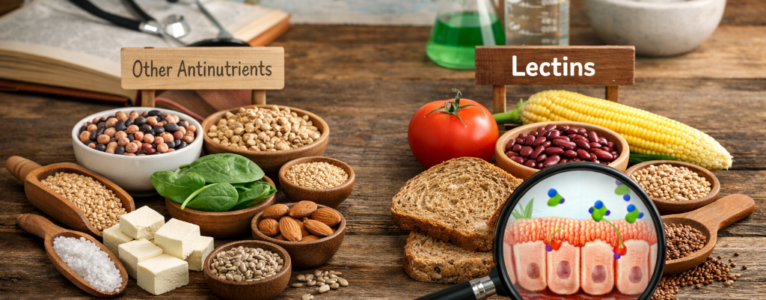
The word antinutrient has become a catch-all term in modern nutrition discussions. It appears in podcasts, blog posts, comment sections, and food debates, often framed as something to fear, eliminate, or ignore entirely.
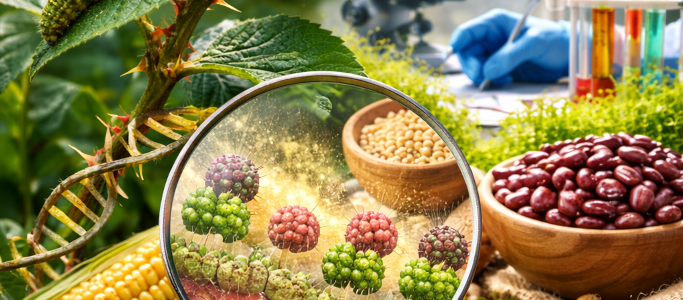
Long before lectins became a modern buzzword linked to gut health, inflammation, or elimination diets, they were quietly present in nearly every plant food humans touched.
Lectins have become a buzzword in the nutrition world that are praised by some, questioned by others, and often misunderstood by the people just trying to make sense of their own health.