Hidden Lectins in “Clean Label” Foods
There is something deeply reassuring about a clean label. A short ingredient list feels honest. Familiar words feel safe.

There is something deeply reassuring about a clean label. A short ingredient list feels honest. Familiar words feel safe.
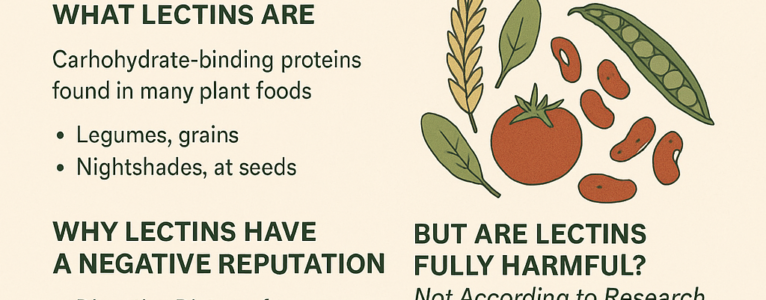
When people first encounter the idea of lectins, the reaction is often confusion. These compounds are found in many foods that have been eaten for centuries.
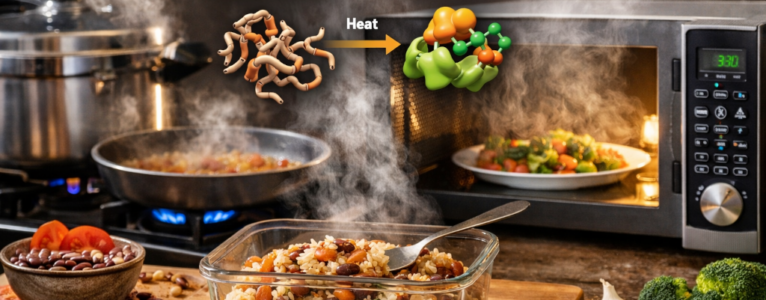
One of the quiet assumptions most people make about food is that once it is cooked, it is “done.” The cooking step is treated as a finish line.
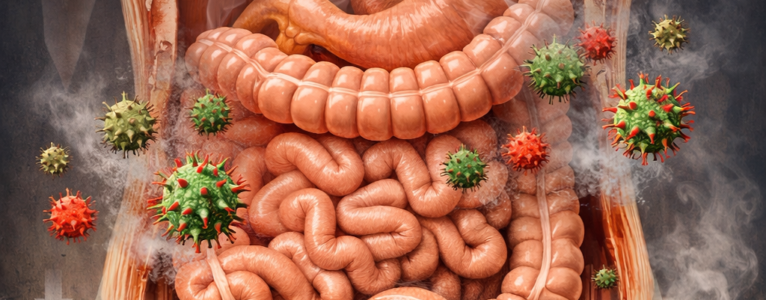
Digestion is often imagined as a powerful, unforgiving process. Food enters the mouth as something recognizable and exits the stomach and intestines as broken-down nutrients, reduced to amino acids, fatty acids, and simple sugars.
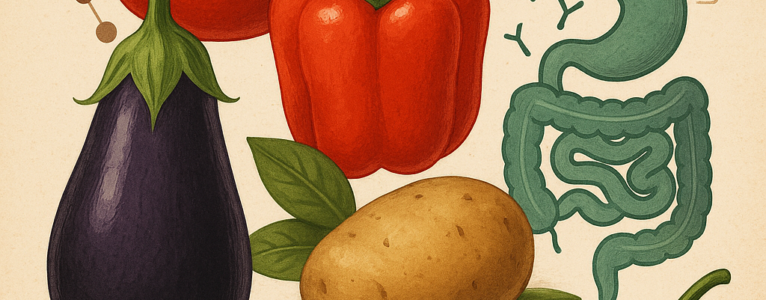
Nightshades are some of the most familiar and widely consumed foods in the modern diet. Tomatoes, potatoes, peppers, and eggplants appear across cuisines, cultures, and comfort foods alike.
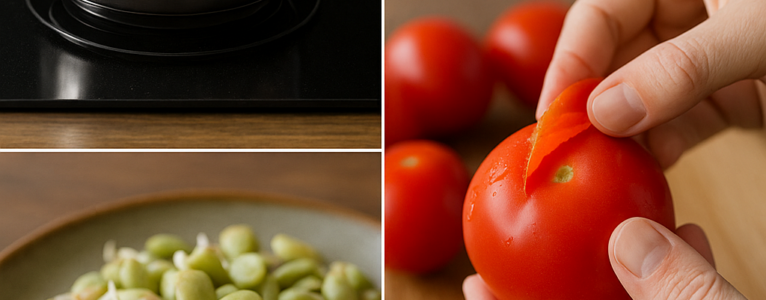
Many people exploring a low-lectin lifestyle eventually run into an unexpected truth: the way you cook your food can dramatically change how your body responds to it.
Lectins have become something of a dietary villain in recent years. They’re blamed for digestive discomfort, inflammation, autoimmune flares, and weight issues.