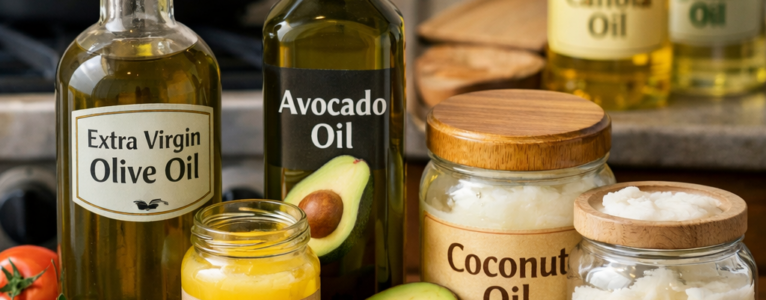
Cooking Oils and Heat Stability in Low-Lectin Cooking
When people begin exploring a low-lectin way of eating, their attention almost always goes straight to foods. Beans. Grains. Nightshades. Seeds. Preparation methods.

When people begin exploring a low-lectin way of eating, their attention almost always goes straight to foods. Beans. Grains. Nightshades. Seeds. Preparation methods.
For many people exploring lectins and their impact on health, the conversation often starts in the gut.
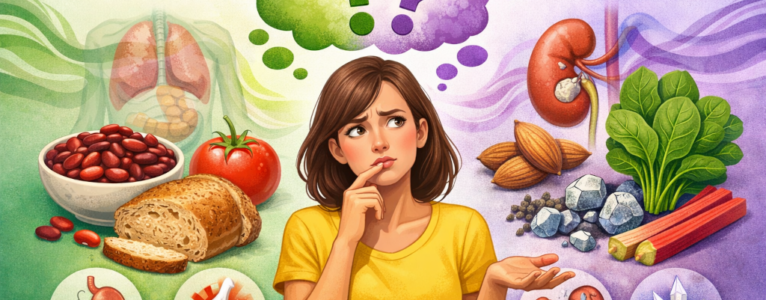
If you spend enough time reading about food sensitivities, digestive health, or inflammation, you will eventually run into two words that seem to overlap in frustrating ways: lectins and oxalates.
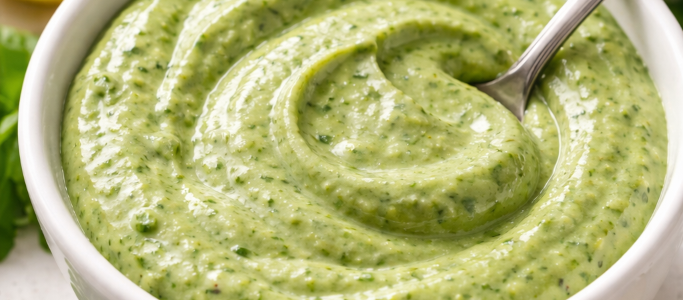
A Simple Green Goddess Dressing Can Tell the Whole Story. Lectins are not new. They’ve been part of the human food story for as long as humans have been eating plants.
Most people don’t ruin a low-lectin meal with a bad protein choice or a reckless side dish. They ruin it quietly, one spoonful at a time, with condiments.
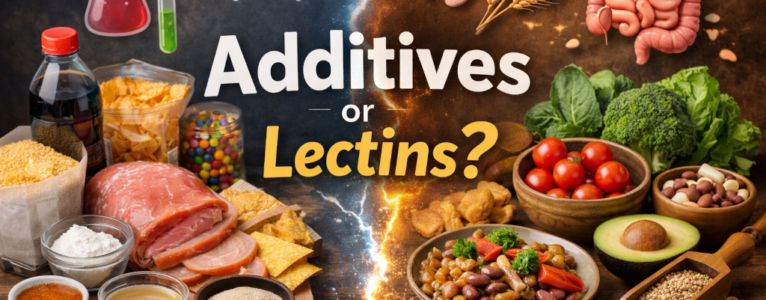
There is something deeply reassuring about a clean label. A short ingredient list feels honest. Familiar words feel safe.
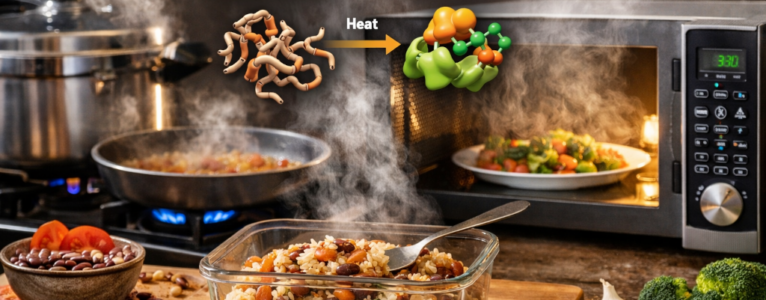
One of the quiet assumptions most people make about food is that once it is cooked, it is “done.” The cooking step is treated as a finish line.
One of the most confusing moments for people exploring a low-lectin lifestyle comes when they do “everything right” and still feel wrong. The ingredients check out. The food is technically low-lectin.
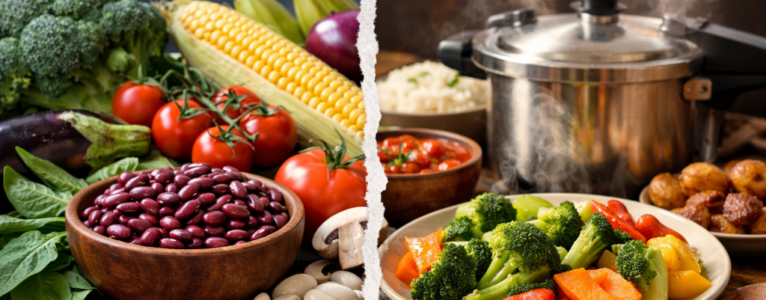
For decades, raw food has carried an almost untouchable reputation. Raw means natural. Raw means pure. Raw means healthy.
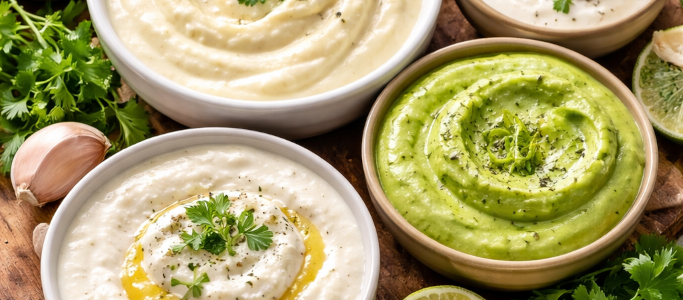
Creaminess has a reputation problem. For decades, we’ve been trained to associate rich, smooth textures with dairy products, thickeners, and stabilizers. Cream comes from cream.