Fermentation Basics: Turning High-Lectin Ingredients Gut-Friendly
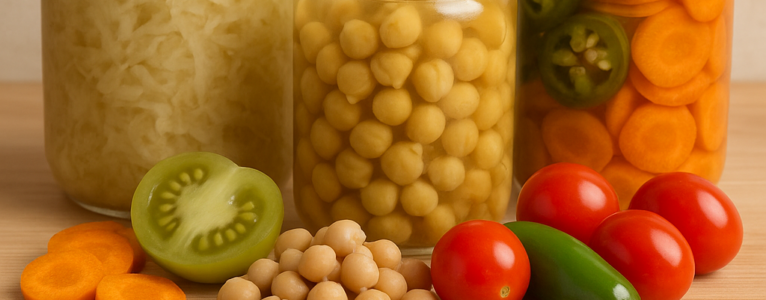
The first time you watch a jar of vegetables quietly bubble away on your counter, it’s hard not to feel like something ancient is waking up in your kitchen.

The first time you watch a jar of vegetables quietly bubble away on your counter, it’s hard not to feel like something ancient is waking up in your kitchen.
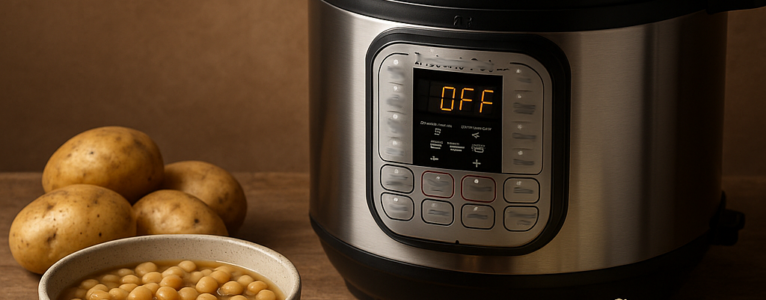
Pressure cooking has found its way back into modern kitchens, not simply for convenience, but for its powerful ability to transform foods that otherwise cause digestive distress.
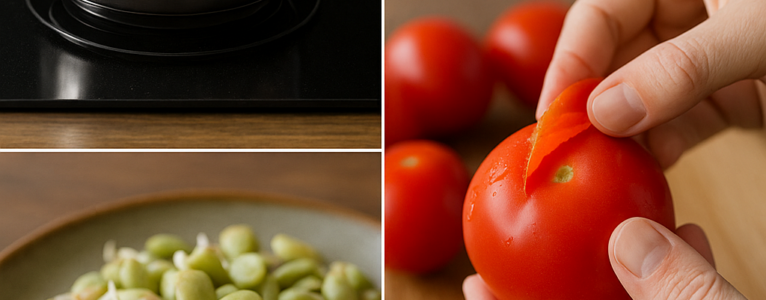
Many people exploring a low-lectin lifestyle eventually run into an unexpected truth: the way you cook your food can dramatically change how your body responds to it.
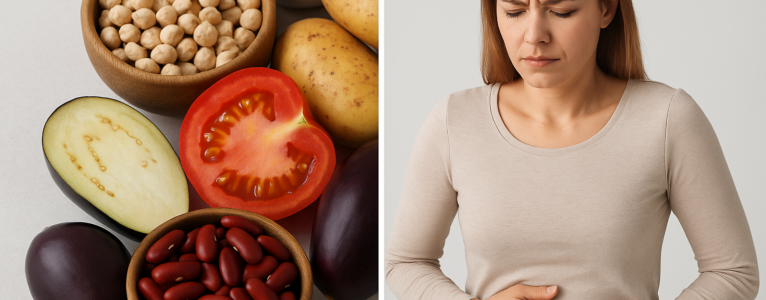
For many people working toward better digestive health, terms like lectin sensitivity, food intolerance, and even food allergies are often used interchangeably.
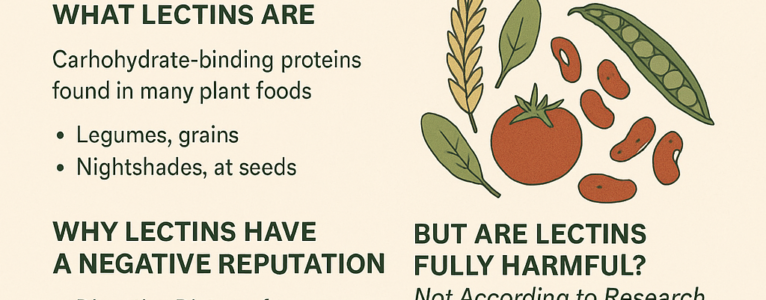
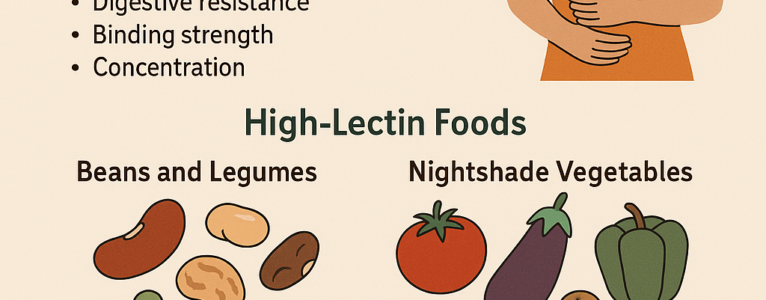
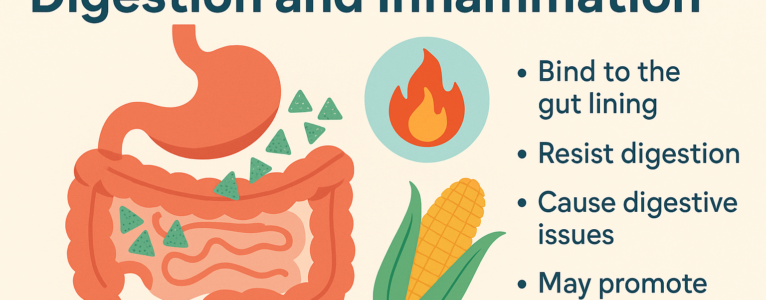
Lectins have become something of a dietary villain in recent years. They’re blamed for digestive discomfort, inflammation, autoimmune flares, and weight issues.
For years, lectins have stirred debate in nutrition circles. Some people swear that reducing lectins transformed their digestion, inflammation levels, and energy.
Lectins have become one of the most debated compounds in modern nutrition. Some people say lectins are harmless in small amounts and easily neutralized by cooking.
Lectins have become a buzzword in the nutrition world that are praised by some, questioned by others, and often misunderstood by the people just trying to make sense of their own health.