Pressure Cooking vs. Canning: What’s the Difference for Lectins
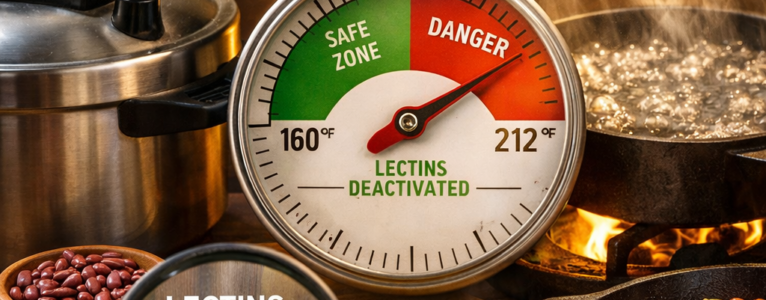
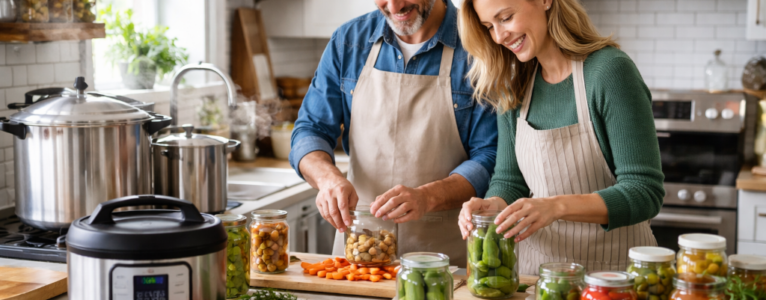
For anyone exploring a low-lectin way of eating, cooking methods quickly become more than a culinary preference.

For anyone exploring a low-lectin way of eating, cooking methods quickly become more than a culinary preference.
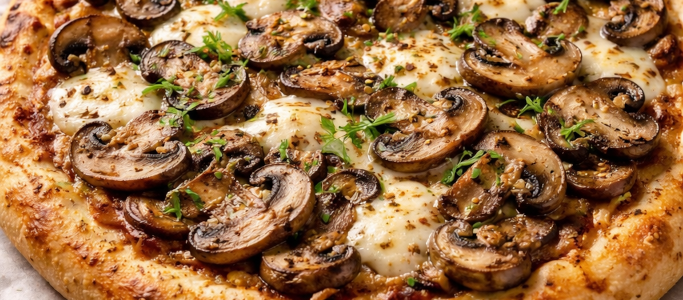
Pizza is one of those foods that lives at the crossroads of culture, comfort, and convenience.
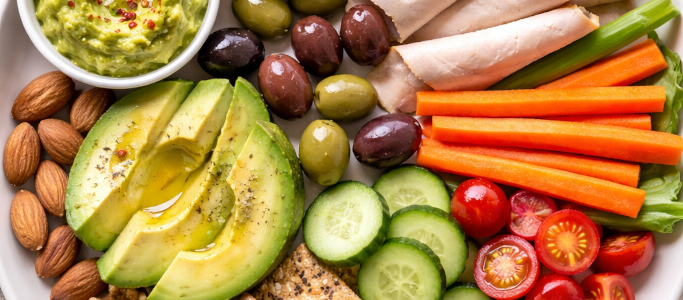
Long days have a way of exposing the weak points in our eating habits. Skipped meals turn into frantic snacking.
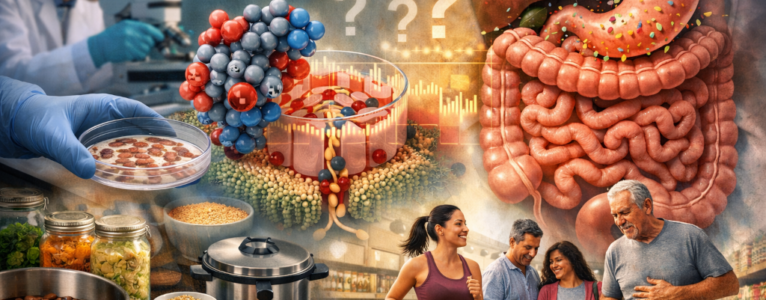
Lectins sit in an uncomfortable space between nutrition, immunology, and everyday lived experience.
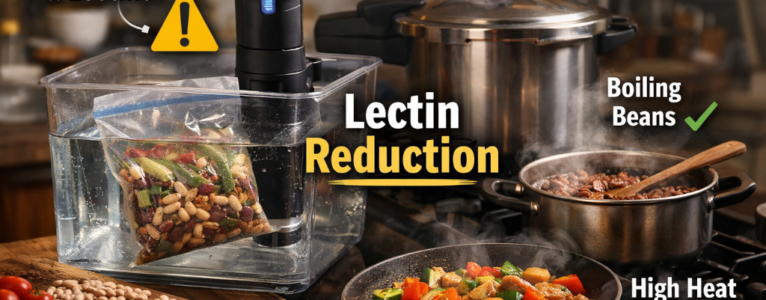
Sous-vide cooking has earned a reputation as one of the most precise and gentle ways to prepare food.
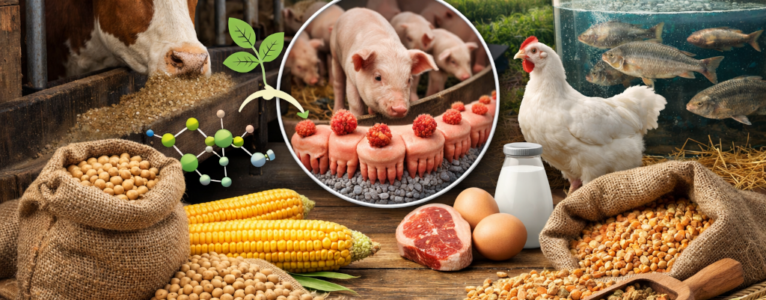
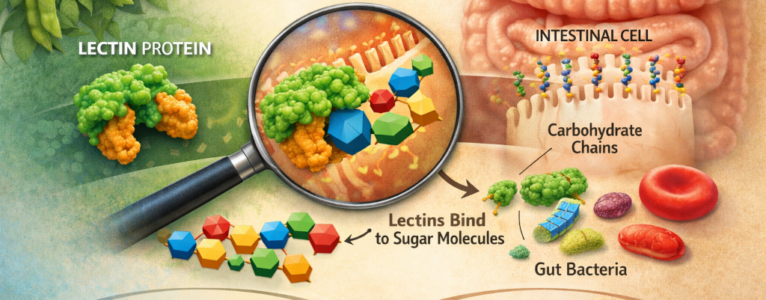
When people hear the word lectins, they usually think about human nutrition. Lectins are often discussed in the context of grains, legumes, and vegetables and how they interact with digestion and immune function.
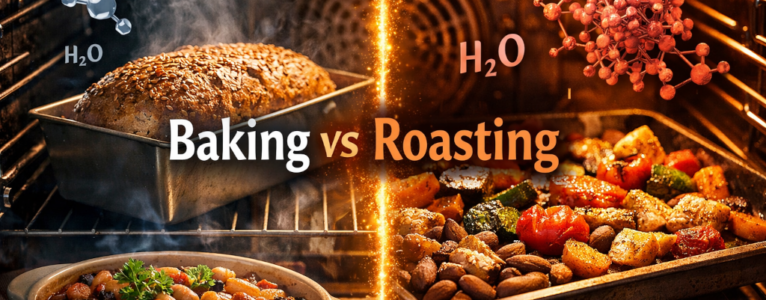
When people begin paying attention to lectins, cooking quickly becomes part of the conversation. It is not just what you eat, but how you prepare it.
When people first encounter the idea of lectins, the reaction is often confusion. These compounds are found in many foods that have been eaten for centuries.
One of the most persistent myths in nutrition is the idea that food safety, digestibility, and tolerance are mostly a function of how long something is cooked.
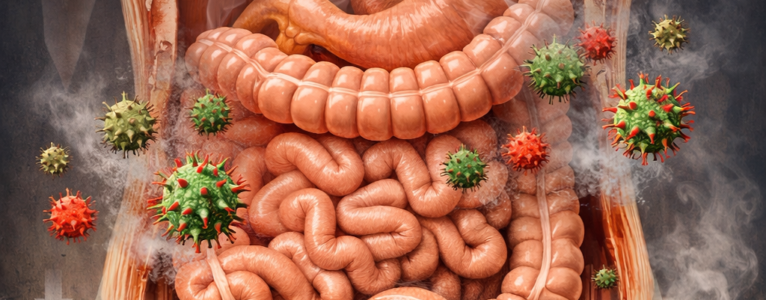
When people first encounter the topic of lectins, they are often told a simplified version of the story: lectins “stick to cells,” disrupt digestion, or irritate the gut lining.