How Reheating Food Can Change Lectin Activity
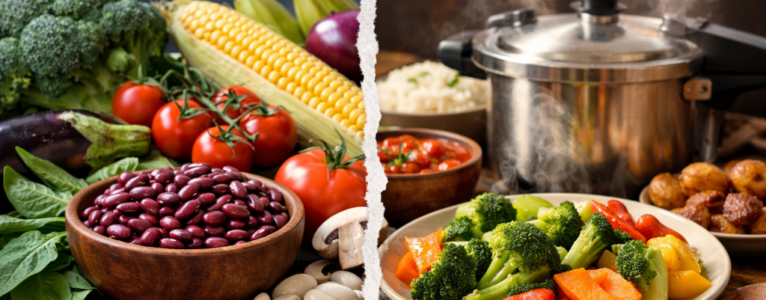
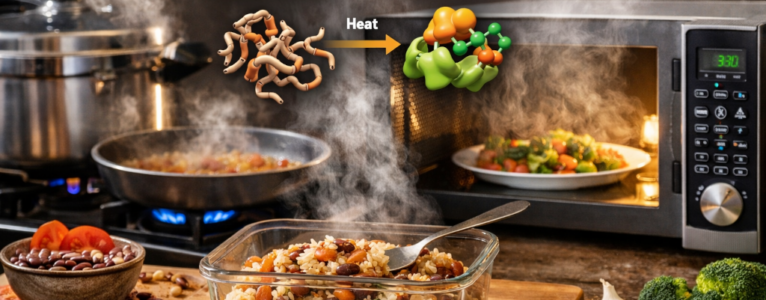
One of the quiet assumptions most people make about food is that once it is cooked, it is “done.” The cooking step is treated as a finish line.

One of the quiet assumptions most people make about food is that once it is cooked, it is “done.” The cooking step is treated as a finish line.
One of the most confusing moments for people exploring a low-lectin lifestyle comes when they do “everything right” and still feel wrong. The ingredients check out. The food is technically low-lectin.
For decades, raw food has carried an almost untouchable reputation. Raw means natural. Raw means pure. Raw means healthy.
Most people think of digestion as something that happens only when food enters the body. Eat a meal, feel full, absorb nutrients, move on. But digestion is not a simple on-off process.
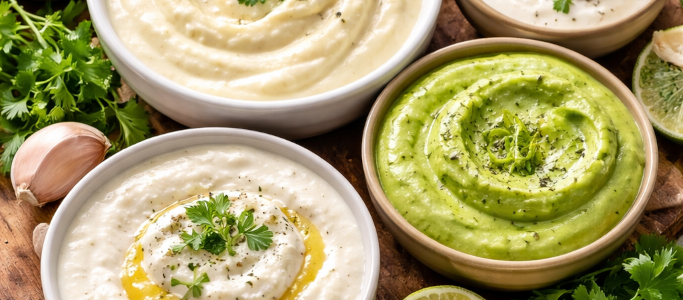
Creaminess has a reputation problem. For decades, we’ve been trained to associate rich, smooth textures with dairy products, thickeners, and stabilizers. Cream comes from cream.
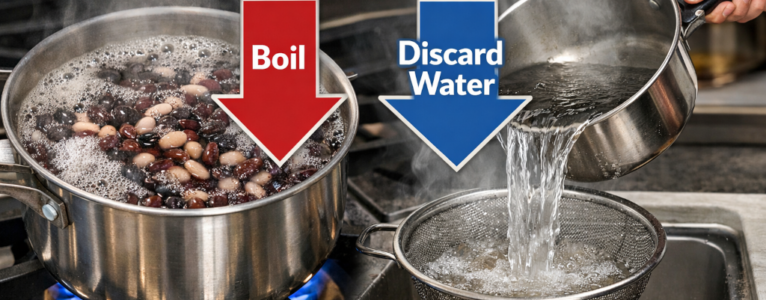
One of the simplest instructions you will see repeated in traditional cooking, ancestral food preparation, and modern low-lectin guidance is this: boil the food and discard the water.
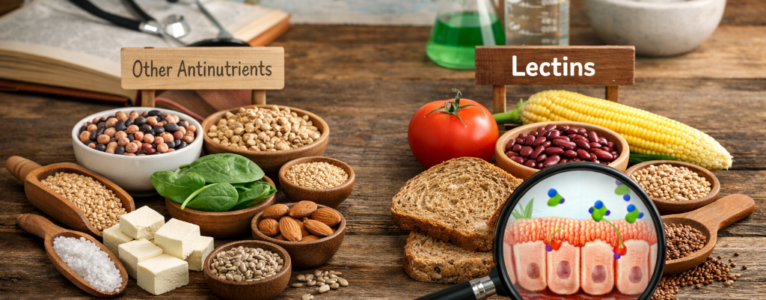
The word antinutrient has become a catch-all term in modern nutrition discussions. It appears in podcasts, blog posts, comment sections, and food debates, often framed as something to fear, eliminate, or ignore entirely.
Freezing is one of the most common food preservation methods in the modern world. It is quiet, convenient, and largely invisible once food is tucked away behind a freezer door.
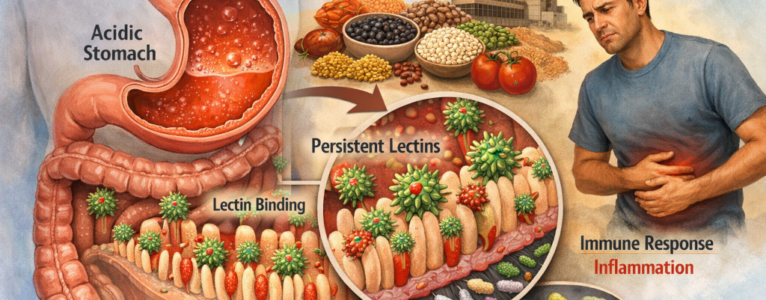
Digestion is often imagined as a powerful, unforgiving process. Food enters the mouth as something recognizable and exits the stomach and intestines as broken-down nutrients, reduced to amino acids, fatty acids, and simple sugars.
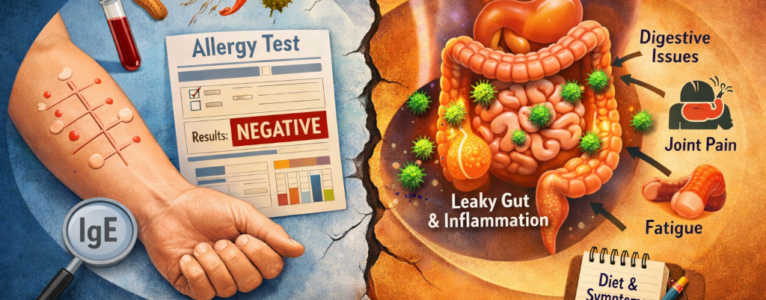
For many people beginning a low-lectin journey, the first instinct is to seek confirmation. If food is causing symptoms, there must be a test that can identify the culprit.