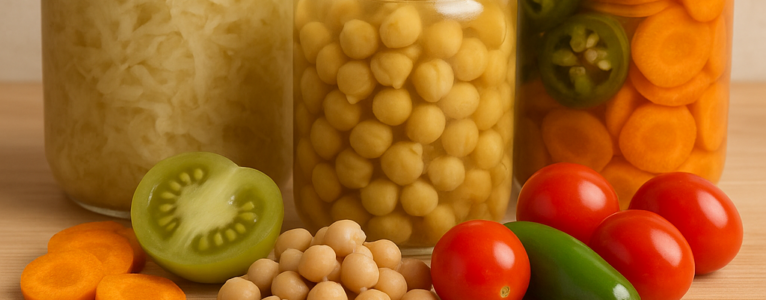

Fermentation can change the flavor, texture, nutritional composition, and biological properties of food without relying primarily on heat. Through the activity of bacteria, yeasts, and certain fungi, ingredients undergo chemical changes that can soften plant tissues, transform carbohydrates, and alter proteins. Some of these changes are particularly relevant to individuals exploring a low-lectin lifestyle.
The relationship between fermentation and lectins is more complicated than simply allowing microorganisms to break down unwanted plant compounds. Different microorganisms produce different enzymes, and the proteins found in one plant species may respond differently from those found in another. A fermentation process that substantially reduces lectin content in a particular legume may accomplish very little when applied to a different ingredient.
Understanding these differences allows fermentation to become a practical part of a low-lectin kitchen. It offers opportunities to explore new flavors, reconsider familiar ingredients, and investigate whether particular preparation methods influence digestive tolerance. Learning the fundamentals also helps distinguish established food science from assumptions about what happens inside a fermentation jar.
What Fermentation Actually Does to Food
Food fermentation involves the controlled activity of microorganisms that transform components of an ingredient through their metabolic processes. These microorganisms consume available nutrients and produce substances that change the surrounding environment. Depending on the type of fermentation, those substances may include organic acids, gases, alcohol, and various flavor-producing compounds.
Lactic acid fermentation is particularly familiar to people preparing vegetables at home. Naturally occurring lactic acid bacteria consume available sugars and produce organic acids, predominantly lactic acid. As acidity increases, the conditions within the food become less favorable for the growth of many undesirable microorganisms.
Other fermentation processes operate differently. Yeasts contribute to the development of sourdough bread, while selected molds play an important role in producing tempeh and certain other fermented soybean products. Some fermentation processes depend on restricted oxygen exposure, whereas others require access to oxygen for microorganisms to grow properly.
These distinctions matter because fermentation is a collection of related food-processing techniques rather than a single procedure. Preparing sauerkraut, maintaining a sourdough starter, and producing tempeh require different ingredients, environmental conditions, and safety considerations.
The 2021 scientific consensus statement from the International Scientific Association for Probiotics and Prebiotics provides a comprehensive explanation of fermented foods, their microbial characteristics, and their potential relationships with human health. It also establishes an important distinction between foods produced through fermentation and foods containing microorganisms with demonstrated probiotic benefits.
How Fermentation Can Change Lectin Activity
Lectins are proteins capable of recognizing and binding to specific carbohydrate structures. Their biological activity depends partly on maintaining the molecular shape and chemical characteristics necessary for that binding process.
During fermentation, certain microorganisms produce enzymes called proteases that can break proteins into smaller components. If these enzymes alter regions responsible for carbohydrate recognition, the affected lectin may lose some of its original biological activity.
Fermentation can also change the chemical environment surrounding a protein. Increasing acidity and changes in oxidation-reduction conditions may affect the bonds and molecular interactions that maintain its structure. In some circumstances, these changes can make proteins more susceptible to subsequent enzymatic degradation or heat treatment.
However, different lectins possess different structural characteristics. Some resist enzymatic degradation more effectively than others, and microorganisms capable of modifying one protein may have little effect on another.
The amount of lectin protein remaining after fermentation and its remaining carbohydrate-binding activity are also separate measurements. A reduction in measurable protein concentration does not necessarily correspond to an identical reduction in biological activity. Neither measurement independently establishes how a person will respond after consuming the finished food.
What Scientific Research Reveals About Fermentation and Lectins
The European Food Safety Authority’s January 2026 scientific assessment of the human health risks associated with plant lectins in food examined fermentation alongside soaking, germination, thermal processing, and other food preparation methods.
Among the studies evaluated was research involving the natural fermentation of finely ground lentil flour. Under controlled experimental conditions, researchers observed reductions of up to approximately 98% in measured lectin content following extended fermentation.
Another study examined pea flour fermented using several selected bacterial and fungal microorganisms. Despite the fermentation process, researchers observed no reduction in measured lectin content under the conditions investigated.
These contrasting findings illustrate why fermentation cannot be assigned a universal lectin-reduction percentage. The plant species, physical form of the ingredient, microorganisms, processing duration, and measurement method can all influence the results.
The lentil flour findings are scientifically interesting, but they should not be interpreted as instructions for fermenting dried lentils or other legumes at room temperature. The study involved defined experimental conditions and measured changes in food composition rather than establishing a validated household food preparation procedure.
For the home cook, fermentation research provides a basis for understanding why certain established fermented foods may fit within a low-lectin dietary approach. It does not establish that any ingredient can be fermented until its lectins become inactive.
Why Fermentation May Influence Digestive Comfort
Fermentation changes several components of food simultaneously. Microorganisms can consume certain carbohydrates, produce organic acids, modify proteins, and alter the physical structure of plant tissues. Any of these changes may influence how the finished food behaves during digestion.
This makes it difficult to determine whether improved digestive tolerance following fermentation results specifically from lectin reduction. Other changes occurring during the same process may contribute equally or more substantially to the observed response.
Changes in Fermentable Carbohydrates
Some microorganisms consume carbohydrates that would otherwise reach the colon and undergo fermentation by intestinal bacteria. For individuals sensitive to particular fermentable carbohydrates, this can influence the amount of gas produced during digestion.
The effects depend on the food and microorganisms involved. Certain fermentation processes reduce particular fermentable carbohydrates, while others generate substances that may themselves contribute to digestive symptoms.
For example, sourdough fermentation can reduce some of the fructans naturally present in wheat flour. A person who experiences less bloating after eating sourdough bread may therefore be responding to changes in carbohydrate composition rather than changes in lectin activity.
Changes in Mineral Availability
Grains, seeds, and legumes often contain phytate, a naturally occurring compound capable of binding minerals such as iron and zinc. Phytate differs chemically from lectins and influences mineral availability through a separate mechanism.
Certain fermentation processes encourage the activity of phytase, an enzyme that breaks down phytate. Reducing phytate content may increase the availability of particular minerals, depending on the original food composition and the conditions within the digestive system.
Fermentation can also influence vitamin concentrations, although the results vary among microorganisms and ingredients. Some microorganisms synthesize particular vitamins, while others consume them during growth.
These nutritional changes deserve consideration independently of lectin reduction. Our article on how fermentation changes the nutritional profile of high-lectin foods explores these additional transformations in greater detail.
Beans and Legumes: Fermentation Must Be Paired With Safe Preparation
Legumes have a long history of use in fermented foods. Soybeans form the foundation of products such as tempeh, miso, and natto, while other regional food traditions incorporate fermented beans and mixtures of legumes and grains.
The preparation of these foods frequently involves several processing stages. Soaking, cooking, inoculating with selected microorganisms, and maintaining appropriate fermentation conditions can each influence the composition of the finished product.
These stages make it difficult to attribute every reduction in lectin activity specifically to fermentation. Preliminary cooking may already have deactivated substantial quantities of heat-sensitive lectins before microbial activity begins.
Kidney Beans Require Particular Caution
Raw and inadequately cooked kidney beans contain phytohemagglutinin (PHA), a lectin associated with documented cases of acute gastrointestinal illness. Fermenting these beans should never be treated as a substitute for appropriate heat treatment.
The U.S. Food and Drug Administration’s guidance on naturally occurring food toxins recommends soaking dried kidney beans for at least five hours, discarding the soaking water, and boiling them in fresh water for a minimum of 30 minutes. Cooking should continue as necessary until the beans are fully tender.
Proper cooking addresses the established lectin hazard, but it does not automatically make beans suitable for subsequent room-temperature fermentation. Cooked legumes require appropriate handling, and an ordinary vegetable fermentation recipe should not be applied to them without a validated process designed specifically for that ingredient.
Readers interested in preparing legumes through moist-heat methods can explore Pressure Cooking 101: How It Reduces Lectins and Improves Texture for additional information about cooking conditions and preparation techniques.
Exploring Traditional Fermented Soy Products
Commercially prepared tempeh, miso, and natto provide opportunities to explore fermented legumes without developing a specialized fermentation process at home. These products differ considerably in flavor, texture, moisture content, sodium levels, and preparation requirements.
Tempeh has a firm structure that works well in sliced, crumbled, or sautéed dishes. Miso contributes a concentrated savory flavor to soups, dressings, and sauces, while natto has a distinctive texture and flavor associated with its particular fermentation process.
People who restrict soy within their low-lectin eating pattern may prefer to continue doing so. Others may choose to investigate their tolerance of properly prepared fermented soybean products, recognizing that fermentation does not guarantee the elimination of every lectin or other potentially troublesome compound.
Soy allergies remain a separate medical concern. Fermentation cannot be relied upon to make a soy-containing product safe for someone with a diagnosed soy allergy.
Grains and Sourdough Fermentation
Grain fermentation provides one of the more interesting examples of microbial activity influencing a particular dietary lectin. Wheat contains wheat germ agglutinin (WGA), a carbohydrate-binding protein whose molecular structure contributes to its stability.
A 2021 study investigating the degradation of wheat germ agglutinin during sourdough fermentation examined the effects of different lactic acid bacteria on WGA in whole wheat dough. The researchers found that sourdough fermentation reduced measurable WGA concentrations and that the characteristics of the bacteria influenced the resulting changes.
Interestingly, the addition of protein-degrading enzymes did not produce a corresponding improvement in WGA reduction. The findings instead highlighted the importance of microbial metabolism and changes in the chemical environment surrounding the protein.
This research demonstrates that fermentation can affect lectins through mechanisms extending beyond direct protein digestion. However, the study did not establish that eating the resulting bread improves digestive symptoms or reduces inflammation specifically because of changes in WGA.
Grains such as sorghum, millet, and buckwheat also feature in traditional fermented foods. Their suitability for fermentation depends on the desired product, the microorganisms involved, and the preparation procedures used.
Adding leftover vegetable brine to a bowl of soaking grains and leaving it at room temperature should not be assumed to reproduce the conditions of an established grain fermentation process. Beginners are better served by following reliable, ingredient-specific methods and applying appropriate cooking afterward.
Ordinary wheat sourdough also remains unsuitable for people with celiac disease. Reducing wheat germ agglutinin, even substantially, does not establish that gluten has been removed to a safe level.
Fermenting Vegetables Within a Low-Lectin Framework
Vegetable fermentation is often the most approachable starting point for beginners. Ingredients such as cabbage and cucumbers have established household fermentation methods, readily available equipment requirements, and well-documented preparation procedures.
Cabbage provides a particularly practical example because it produces liquid when combined with salt. This allows shredded cabbage to ferment in its own developing brine, eventually producing the characteristic acidity and texture of sauerkraut.
Other vegetables may require a separately prepared brine or different processing conditions. Carrots, radishes, peppers, and mixtures of vegetables can produce fermented products with distinct flavors, but appropriate procedures depend on the particular ingredients.
Tomatoes, Peppers, and Other Commonly Restricted Vegetables
Tomatoes and peppers are frequently discussed in low-lectin cooking because of their classification as nightshades. Peeling and deseeding are common preparation preferences, and fermentation is sometimes introduced as an additional method for modifying these ingredients.
However, research has not established that fermenting tomatoes or peppers consistently produces a substantial reduction in their lectin activity. The distribution of lectins within plant tissues also differs among species, making it difficult to predict the effects of removing skins and seeds.
Fermentation may still produce desirable culinary changes, including increased acidity, altered texture, and more developed flavors. These characteristics can make fermented vegetables appealing ingredients without requiring unsupported claims about their remaining lectin content.
Anyone interested in fermenting nightshades should follow a reliable procedure designed for the specific vegetable and preparation method. Peeling, deseeding, or substituting ingredients in a tested preservation recipe can change the conditions under which fermentation occurs and should not be undertaken without appropriate guidance.
The Fundamentals of Safe Home Vegetable Fermentation
Successful vegetable fermentation depends on creating conditions that favor desirable microorganisms while limiting the growth of organisms associated with spoilage and foodborne illness. Salt concentration, temperature, acidity, ingredient quality, and the management of oxygen exposure all contribute to the process.
The University of Minnesota Extension’s guidance on home fermentation explains these principles and recommends beginning with research-tested preparation methods. Several practical considerations deserve particular attention.
Salt and Brine
Salt draws water from plant tissues and helps establish conditions favorable to lactic acid fermentation. It also influences vegetable firmness and helps control the growth of undesirable microorganisms.
The appropriate amount of salt depends on the recipe and the ingredient. A percentage calculated from the weight of the vegetables is not necessarily equivalent to the same percentage calculated from the weight of water or the combined weight of all ingredients.
Beginners should follow the salt measurements specified in a tested recipe rather than applying one universal brine concentration to every vegetable. Reducing salt arbitrarily can interfere with fermentation and compromise safety, even when the resulting flavor initially seems acceptable.
Keeping Vegetables Submerged
Brined vegetable fermentation generally requires keeping the produce beneath the liquid surface. Food-grade fermentation weights help maintain submersion and limit exposure to oxygen, which can encourage unwanted surface growth.
Fermentation vessels should also accommodate the gases produced during microbial activity. Suitable fermentation lids, airlocks, or other arrangements specified by the recipe allow gas to escape without permitting excessive oxygen exposure.
Clean equipment and sound ingredients provide an appropriate starting environment. Fermentation should not be used as a way to salvage spoiled, moldy, or otherwise unsuitable produce.
Temperature, Acidity, and Time
Temperature influences the rate of microbial growth and the development of acidity. Cooler conditions may slow fermentation, while excessively warm conditions can produce undesirable textures or interfere with the microbial processes necessary for a successful result.
The National Center for Home Food Preservation’s tested sauerkraut recipe recommends a fermentation temperature of 70°F to 75°F (21°C to 24°C), at which full fermentation generally takes approximately three to four weeks. Other fermented foods may require different temperatures and durations.
Acidity provides additional information about the fermentation process, particularly when evaluated according to the requirements of a reliable recipe. Nevertheless, a particular pH reading, bubbling activity, or sour aroma alone cannot establish that an improvised fermentation process is safe.
Once fermentation is complete, storage should follow the instructions associated with the particular recipe. Fermented vegetables are not automatically shelf-stable, and storing them at room temperature after fermentation requires an appropriate, validated preservation process.
Fermented Foods, Probiotics, and the Gut Microbiome
Fermented foods have attracted considerable scientific interest because their microbial components and fermentation products may influence the human digestive system. Some contain living microorganisms when consumed, while others contribute organic acids and additional substances produced during fermentation.
A 2021 randomized human dietary study published in Cell investigated how diets emphasizing either dietary fiber or fermented foods influenced the gut microbiome and immune activity. The study included 36 adults divided between the two dietary interventions.
Participants consuming a diet rich in fermented foods demonstrated increased microbial diversity and reductions in several measured inflammatory markers. Their diets included a variety of products, such as yogurt, kefir, kimchi, and other fermented foods and beverages.
The findings provide encouraging human evidence concerning fermented foods as part of a broader dietary pattern. However, the study did not specifically investigate low-lectin eating, measure reductions in dietary lectin exposure, or establish that lectin degradation accounted for the observed results.
It is also important to distinguish fermented foods from probiotics. A probiotic is a living microorganism with a demonstrated health benefit when administered in adequate amounts. Traditional fermented foods may contain living microorganisms without meeting that scientific definition.
Baked sourdough bread, cooked tempeh, and pasteurized sauerkraut illustrate another distinction. These foods retain characteristics developed during fermentation, even though subsequent heating or processing may substantially reduce the number of living microorganisms present.
When Fermented Foods Cause Digestive Discomfort
Fermented foods do not agree with everyone. Their acidity, sodium content, microbial products, remaining carbohydrates, and other characteristics can influence digestive tolerance.
Some fermentation processes produce histamine and other biogenic amines as microorganisms metabolize amino acids. Individuals investigating suspected reactions to dietary histamine may therefore encounter difficulties with certain fermented foods, even when those products fit comfortably within their low-lectin ingredient preferences.
Our article on histamine flare-ups versus lectin intolerance explores the potential overlap between these dietary concerns and why identifying the responsible component of a food can be challenging.
Sodium content deserves consideration as well. Fermented vegetables, miso, and several other traditionally fermented products can contribute substantial amounts of sodium, particularly when consumed frequently or in large portions. People managing their sodium intake may benefit from comparing commercial product labels and adjusting serving sizes rather than modifying the salt required for safe home fermentation.
Introducing a modest portion of a properly prepared fermented food can help establish whether it is comfortable to eat. Increasing consumption gradually according to individual tolerance is generally more informative than introducing several unfamiliar fermented products simultaneously.
Bringing Fermentation Into Everyday Low-Lectin Meals
Fermented ingredients can contribute considerable flavor without becoming the primary component of a meal. A small serving of sauerkraut alongside roasted chicken and sweet potatoes adds acidity and contrasting texture. Fermented vegetables can also complement egg dishes, vegetable bowls, and salads.
Miso, where individually tolerated, can contribute savory depth to a dressing or broth. Commercially prepared fermented peppers can provide brightness to cooked vegetables, while suitable sourdough products may offer additional options for people who choose to include wheat in their dietary approach.
The Living Low-Lectin Kitchen Assistant can help develop meal ideas around fermented ingredients. Its Pantry/Fridge feature generates recipes from ingredients already available in your kitchen, while the Create a Recipe feature can suggest ways to incorporate fermented foods into familiar dishes.
AI-generated recipes are best used for ordinary meal preparation rather than developing new fermentation or preservation procedures. Instructions involving brine concentrations, fermentation temperatures, processing durations, or shelf-stable storage should always come from reliable, validated food-preservation resources.
Keeping a record of the fermented products you consume can also help identify meaningful differences in tolerance. Note the original ingredient, whether the product was commercially or domestically prepared, its approximate serving size, and any accompanying foods or subsequent symptoms.
Fermentation earns its place in a low-lectin kitchen through its ability to transform ingredients, develop distinctive flavors, and, under particular conditions, reduce measurable lectin content. Beginning with established fermented foods allows you to explore those advantages without assuming that every fermentation process produces the same nutritional or digestive outcome. A jar of safely prepared sauerkraut or a familiar fermented ingredient may provide a practical starting point before moving toward more specialized foods and preparation techniques.