A low-lectin meal plan can look expensive and exhausting from the outside. Specialty flours, grass-fed meat, unusual vegetables, imported oils, and carefully prepared ingredients can make an ordinary grocery trip feel like a luxury shopping spree. That version of low-lectin eating is optional.
A practical weekly plan does not need seven elaborate dinners or a refrigerator packed with ingredients that appear in only one recipe. It needs a handful of dependable proteins, several vegetables, one or two flexible starches, healthy fats, and enough seasoning to keep repeated ingredients from tasting repeated. The goal is not to cook constantly. The goal is to make fewer decisions.
Start With a Meal Framework, Not a Recipe Collection
Recipes are useful, but they can also make meal planning harder. One recipe calls for half a cabbage. Another needs three tablespoons of coconut milk. A third sends you searching for a seasoning you may never use again. By Friday, the refrigerator contains six partial ingredients and nothing that resembles dinner.
A meal framework works better. Build most meals from four parts:
- A satisfying protein
- One or two low-lectin vegetables
- A tolerated starch or extra vegetable
- A flavorful fat, sauce, or seasoning
This might become roasted chicken thighs with cauliflower mash and green beans. The next night, the same chicken can be served over mixed greens with avocado and an olive oil dressing. Neither meal feels like a sad repeat because the format and flavor have changed.
A balanced plate does not require perfect mathematical portions. A useful visual guide is to give vegetables a large share of the meal, then add a solid portion of protein and enough healthy fat or tolerated carbohydrate to make the meal satisfying. Broader nutrition guidance also supports building meals around vegetables, quality protein sources, and unsaturated fats rather than heavily processed foods.
Individual tolerance still matters. Some people feel good with sweet potatoes or millet. Others prefer fewer concentrated carbohydrates. Some include properly prepared legumes occasionally, while others avoid them completely. A weekly plan should reflect the person eating it, not somebody else’s food chart.
The Budget Rule That Changes Everything
Choose ingredients that can perform more than one job. A package of chicken thighs can become a sheet-pan dinner, salad topping, soup filling, or lettuce wrap. A head of cabbage can be roasted, sautéed, shredded into slaw, or added to soup. Cauliflower can be mashed, riced, roasted, or blended into a creamy sauce.
This is where budget-friendly planning is won. Frozen vegetables deserve a place in the plan too. They are often less expensive than fresh produce, require no chopping, and do not turn into compost after three forgotten days in the produce drawer. Frozen cauliflower, broccoli, spinach, green beans, and Brussels sprouts can rescue a week when fresh produce prices are high.
Meal planning before shopping also reduces duplicate purchases and spoiled food. Buying only the perishables that can realistically be eaten or frozen within the week is one of the simplest ways to control food costs. Low-lectin eating becomes expensive when every meal is treated like a separate event. It becomes manageable when each ingredient has a schedule.
A Simple Grocery List for the Week
The following plan is designed for flexibility rather than strict portion counts. Quantities can be adjusted for one person, a couple, or a family.
Proteins
Choose three or four:
- Eggs
- Chicken thighs or a whole chicken
- Ground turkey
- Canned wild-caught salmon, sardines, or tuna
- Frozen fish fillets
- Plain unsweetened A2 yogurt, goat yogurt, or coconut yogurt if tolerated
Chicken thighs are usually less expensive and more forgiving than chicken breasts. Ground turkey stretches well in bowls, soups, and lettuce wraps. Eggs cover breakfast, lunch, or emergency dinners. Canned fish provides protein without creating another cooking project.
Vegetables
Choose six or seven:
- Cauliflower
- Broccoli
- Cabbage
- Leafy greens
- Mushrooms
- Asparagus
- Green beans
- Brussels sprouts
- Celery
- Carrots
- Onions or garlic if tolerated
People following a stricter low-lectin approach may peel and deseed certain produce or avoid higher-lectin vegetables based on their own plan. The shopping list should match the level of restriction being followed.
Flexible Carbohydrates
Choose one or two:
- Sweet potatoes
- Green plantains
- Cassava tortillas
- Millet
- Sorghum
- Pressure-cooked legumes, only if included in your personal approach
Raw and undercooked beans can contain active phytohaemagglutinin, a lectin that can cause food poisoning. Canned beans and thoroughly cooked beans have far lower levels, while pressure cooking and other proper heat treatments can further reduce lectin activity.
This does not mean everyone pursuing low-lectin eating must add legumes. It means preparation matters for those who choose to include them.
Fats and Flavor
Keep a small working collection:
- Extra-virgin olive oil
- Avocados
- Lemons or limes
- Fresh or dried herbs
- Garlic
- Sea salt
- Black pepper
- Turmeric
- Cumin
- Smoked paprika
- Coconut aminos
- Mustard without unwanted additives
A short seasoning shelf is better than twenty jars used once. Lemon, olive oil, garlic, and herbs can carry much of the week without making every meal taste identical.
One Prep Session, Several Days of Food
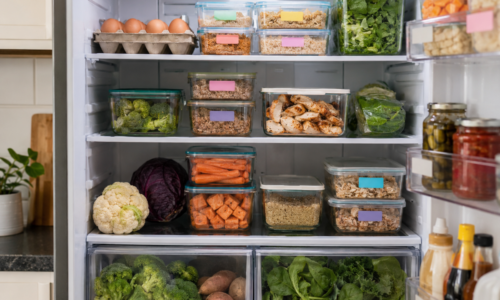
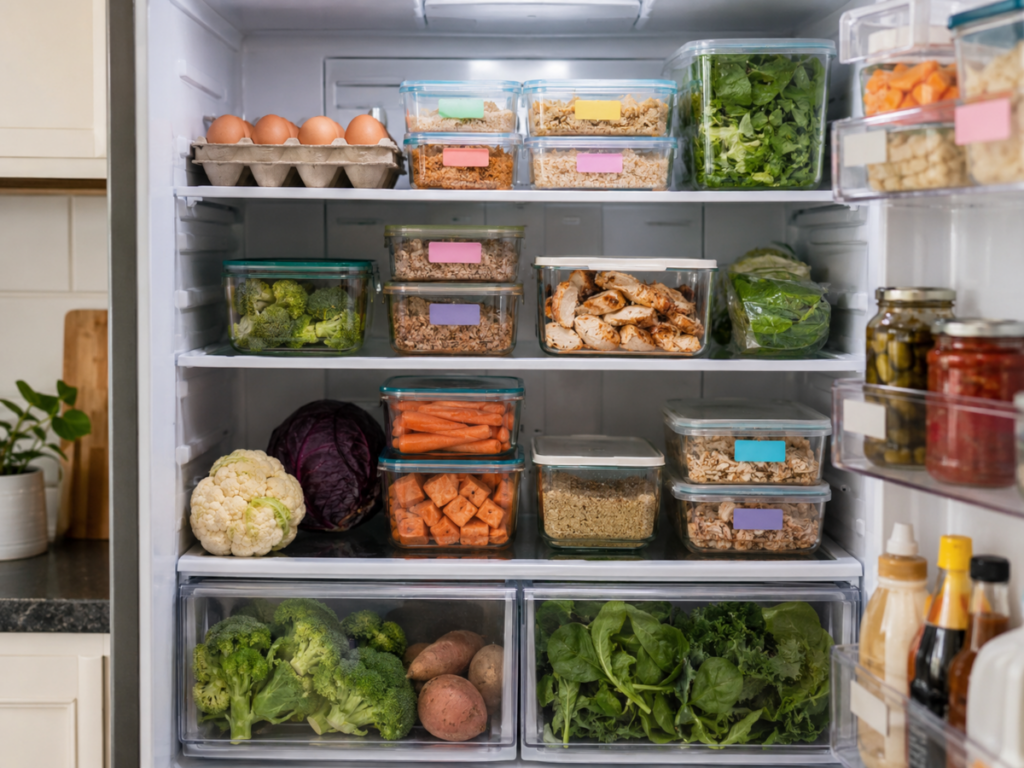
A useful prep session takes care of ingredients, not complete boxed meals.
- Begin with the protein that requires the longest cooking time. Roast a tray of chicken thighs seasoned simply with olive oil, salt, pepper, and garlic. Keeping the seasoning basic allows the chicken to move into different meals later.
- While the chicken cooks, roast two trays of vegetables. One might hold cauliflower and broccoli. The other could contain cabbage wedges, carrots, or Brussels sprouts. Prepare a quick dressing with olive oil, lemon juice, mustard, salt, and herbs.
- Cook a tolerated starch if desired. Sweet potatoes can be roasted whole. Millet can be prepared in a small batch. Green plantains can be boiled and refrigerated for later pan-crisping.
- Hard-boil several eggs. Wash the greens. Shred part of the cabbage for slaw. Stop there.
There is no prize for spending the entire afternoon filling matching containers. Two proteins, several vegetables, a sauce, and one optional starch create enough structure for the week without locking every meal into place.
Cooked leftovers should generally be refrigerated promptly and eaten within three to four days. Food needed later in the week can be frozen in meal-sized portions rather than left sitting until the weekend.
Monday: Start With the Freshest Meal
Monday dinner can be roasted chicken thighs with cauliflower mash and green beans. Cauliflower mash is inexpensive, familiar, and easy to adjust. Blend or mash cooked cauliflower with olive oil, roasted garlic, salt, and a small amount of broth. Add ghee or a tolerated dairy product for a richer texture.
Make more than you need. The extra mash will become part of another meal rather than another container forgotten behind the mustard. For breakfast, eggs with sautéed greens provide a steady start without requiring a recipe. Lunch can be canned salmon mixed with avocado, lemon juice, herbs, and chopped celery, served in lettuce cups or over greens.
Tuesday: Change the Format
Use leftover chicken in a chopped salad with leafy greens, shredded cabbage, avocado, cucumber if tolerated, and lemon dressing. This meal should not feel like Monday reheated. Chop the chicken into small pieces, serve it cold or lightly warmed, and add a different flavor profile. A dressing made with olive oil, lime juice, cumin, and garlic creates a completely different result from the roasted dinner.
Dinner can be ground turkey cooked with mushrooms, cabbage, and herbs. Serve it as a bowl with roasted sweet potato or cauliflower rice. Make enough turkey for Wednesday. A bowl is one of the most useful low-lectin meal formats because it accepts substitutions without falling apart. No cabbage remains? Use spinach. No sweet potato? Add more cauliflower. The meal still works.
Wednesday: Build an Emergency Meal Before You Need One
Breakfast can be A2 yogurt, goat yogurt, or unsweetened coconut yogurt with a small serving of tolerated berries and chopped walnuts. Eggs remain the backup for anyone who avoids yogurt. For lunch, use Tuesday’s turkey mixture in lettuce wraps. Add avocado and a squeeze of lime. A spoonful of crunchy cabbage slaw gives the wrap enough texture to feel complete.
Dinner is the emergency meal that was planned on purpose. Cook frozen fish fillets with olive oil, lemon, salt, and herbs. Add frozen broccoli or green beans and reheat the remaining cauliflower mash. Frozen fish and vegetables are not a compromise. They are protection against the expensive takeout order that happens when every usable ingredient requires forty minutes of preparation.
Thursday: Use the Freezer Strategically
By Thursday, some Sunday-prepped food is approaching the end of its best refrigerator window. Use it, freeze it, or discard it. Do not keep pushing leftovers toward the weekend because wasting food is cheaper than risking foodborne illness. Breakfast can be scrambled eggs with leftover vegetables. Lunch can be Wednesday’s fish over greens with lemon dressing.
For dinner, prepare a simple soup with broth, shredded chicken from a frozen portion, celery, carrots, leafy greens, herbs, and cauliflower. Add cooked millet, diced sweet potato, or properly prepared legumes only if they fit your personal plan.
Soup is especially good for using imperfect produce. Soft celery, slightly wilted greens, and uneven pieces of chicken look completely normal once simmered together. This is not a garbage-bin soup. It is deliberate waste reduction.
Friday: Make the Easy Meal Feel Like a Treat
Friday dinner does not need to imitate restaurant food, but it should feel different from weekday survival meals. Make cassava flour tortillas or use a trusted prepared option. Fill them with seasoned ground turkey, shredded cabbage, avocado, greens, and lime. Leftover chicken also works.
Serve the fillings family-style. People can build tacos, salad bowls, or lettuce wraps from the same ingredients. This helps when one person wants cassava tortillas, another prefers a vegetable bowl, and someone else needs a larger protein portion. Breakfast might be hard-boiled eggs with avocado. Lunch can be leftover soup, which often tastes better the following day after the herbs and broth have had time to mingle.
Saturday: Cook Once, Eat Twice
Prepare a larger piece of protein on Saturday, such as a whole chicken, turkey meatloaf, or slow-roasted fish. A whole chicken often costs less per pound than packaged cuts and provides meat for several meals plus bones for broth.
Serve it with roasted cabbage and sweet potato wedges or green plantain. Season the vegetables generously. Low-lectin food becomes dreary when people remove ingredients but forget to build flavor.
Olive oil, garlic, rosemary, smoked paprika, lemon zest, and sea salt can turn ordinary cabbage into something worth making again. The ingredient is cheap. The preparation gives it value. Lunch can stay light with a vegetable omelet or canned sardines over greens. There is no need to create three large cooked meals merely because it is the weekend.
Sunday: Reset Without Starting From Zero
Sunday breakfast can use whatever remains. Make a skillet with eggs, chopped vegetables, leftover sweet potato, and herbs. This clears small portions before the next shopping trip. Lunch can be a simple plate of sliced chicken, avocado, raw or cooked vegetables, and dressing. Food does not need to be transformed into a named recipe before it counts as a meal.
For dinner, use the remaining chicken in a fresh batch of soup, a cauliflower rice bowl, or a warm cabbage skillet. Freeze extra cooked meat in clearly labeled portions. Bones from a whole chicken can be saved for broth if they have been handled and stored safely.
Before writing the next grocery list, check the freezer, refrigerator, and pantry. Plan around what is already there. Half a bag of frozen broccoli, two fish fillets, and a container of cooked turkey are not random leftovers. They are the beginning of next week’s plan.