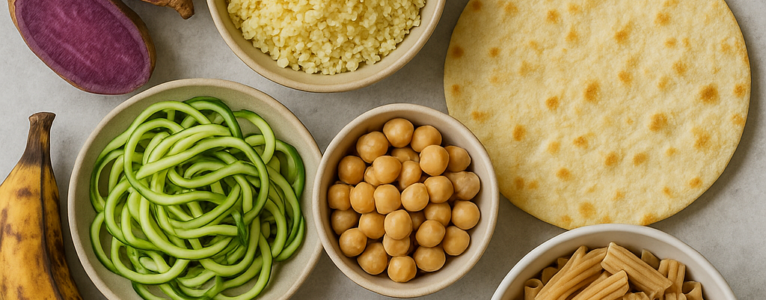
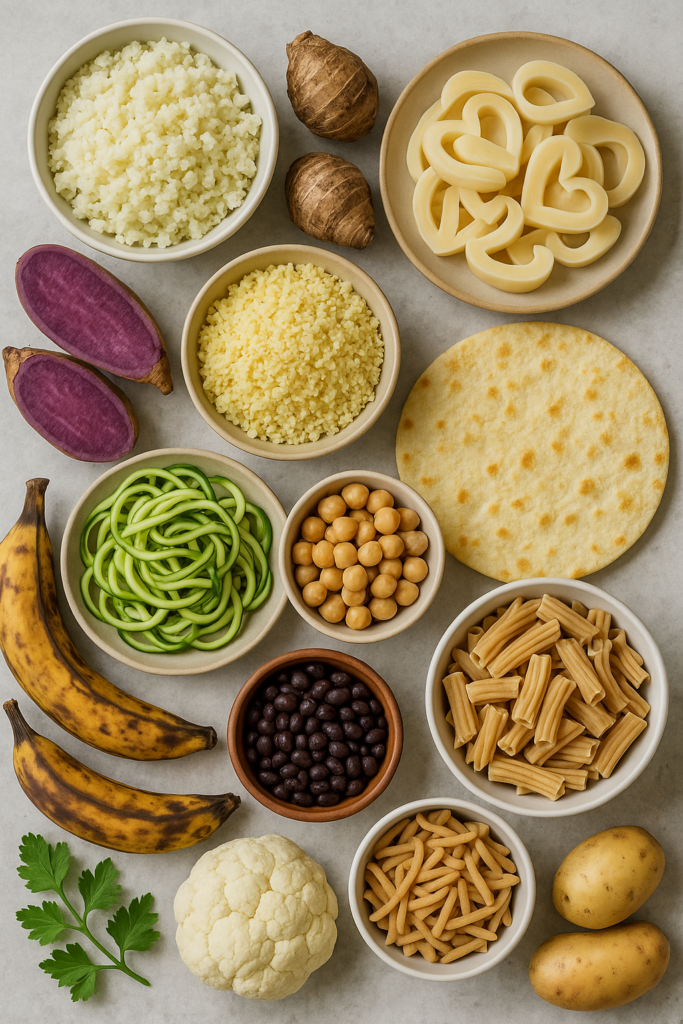
Bread, rice, pasta, potatoes, and beans do a considerable amount of work in an ordinary kitchen. They stretch the grocery budget, provide substance to meals, carry sauces, and make it possible to prepare dinner without much advance planning. Removing several of these staples at once can leave you with plenty of ingredients but very little idea of how to turn them into a satisfying meal. The transition becomes easier when you replace the functions those foods performed, including the convenience and familiarity they provided.
For readers exploring low-lectin eating, this may involve choosing different starches, learning new cooking methods, or keeping familiar foods in rotation after preparing them differently. Some staples may eventually disappear from your grocery list, while others may remain useful in smaller quantities or different preparations. There is no need to redesign your entire kitchen in a single week.
Recognize What You Are Replacing
A family recipe can carry associations that have little to do with its nutritional composition. Sunday spaghetti might represent time spent together, while a bowl of rice and beans may be an affordable meal connected to generations of cooking traditions. Missing these foods is understandable, and a replacement that provides roughly the same nutrients may still leave something missing from the experience.
Before purchasing alternatives, consider which meals will be affected most by your dietary changes. If toast is your usual breakfast, finding a dependable breakfast option deserves more attention than experimenting with several specialty dinner ingredients. If rice accompanies most of your evening meals, look for a base that works with the sauces, vegetables, and proteins you already prepare.
Cost deserves attention from the beginning. Beans, potatoes, and conventional grains are often inexpensive sources of energy, fiber, or protein, whereas specialty baking mixes and packaged grain-free products can increase grocery expenses quickly. Building meals around ordinary produce and a few carefully chosen pantry ingredients is generally more economical than replacing every conventional product with its specialty counterpart.
Preserve the Nutritional Role of Your Staples
The World Health Organization’s 2023 carbohydrate intake guidelines recommend obtaining carbohydrates primarily from whole grains, vegetables, fruits, and legumes. These foods contribute dietary fiber and various nutrients, which deserve consideration when several of them are restricted. Low-lectin eating does not require eliminating carbohydrates, and vegetables with very little starch cannot always replace the energy supplied by a substantial serving of rice or pasta.
A dinner containing cauliflower rice instead of conventional rice may need an additional source of energy, such as roasted sweet potato, avocado, or a suitable grain. Similarly, replacing beans with mushrooms can preserve some of the texture of a stew while substantially changing its protein content. Eggs, fish, poultry, or other tolerated protein sources can help address that difference, depending on your dietary preferences.
Finding Alternatives to Bread and Wraps
Bread provides a convenient structure for sandwiches, a base for toppings, and something to accompany soups and sauces. Replacing all these functions with one type of grain-free loaf can be difficult, particularly because wheat gluten gives conventional bread its elasticity and helps retain the gases produced during rising. Different flours produce different results, so it is worth selecting them according to the dish rather than expecting them to behave identically.
Cassava flour contains starch that can contribute to the structure of flatbreads and wraps. Blanched almond flour contains more fat and works particularly well in tender baked goods, while coconut flour absorbs considerable moisture and generally requires recipes formulated specifically for it. Arrowroot starch can contribute to binding and texture in a flour blend, but it is not a complete replacement for wheat flour in most yeast breads.
Start with a preparation that has fewer structural demands than a conventional sandwich loaf. Our Crispy Cassava Flour Tortillas offer an example of how an alternative flour can serve a familiar culinary purpose, while the Flour Substitution Guide: Cassava, Coconut, Almond, and More explores the differences between these ingredients. A tortilla, crisp cracker, or flatbread that suits the meal may prove more useful than repeatedly attempting to reproduce the texture of wheat bread.
Use commercially processed cassava flour intended for human consumption, and cook the resulting dough or batter as directed. Fresh cassava root requires additional precautions because it contains cyanogenic glycosides, which can release cyanide. Food Standards Australia New Zealand’s cassava safety guidance explains why ordinary cooking alone may not adequately reduce these compounds in unprocessed roots. Purchasing appropriately processed ingredients is a more practical starting point than attempting to produce cassava flour from fresh roots at home.
Replacing Pasta Without Losing the Sauce
Cassava, millet, and sorghum pastas can provide a starch-based alternative to conventional wheat pasta. In his discussion of alternatives to familiar staple foods, Dr. Steven Gundry recommends cassava, millet, and sorghum noodles as part of his Plant Paradox approach. These recommendations reflect his preference for ingredients he considers low in lectins, although their inclusion in his dietary framework does not establish that every product is completely free of active lectins.
Commercial alternative pastas vary in their ingredients and cooking behavior. Some soften rapidly or release considerable starch into the cooking water, so follow the package directions and check the texture before draining. Pressure cooking is not an automatic requirement for millet pasta, and applying a cooking cycle intended for dried beans may leave the noodles excessively soft.
Spiralized vegetables and hearts of palm pasta are useful for a different purpose. They provide shapes that carry sauces and can work particularly well in cold noodle dishes or lighter meals. Their texture and energy content differ from those of starch-based pasta, so a substantial meal may need additional ingredients to provide adequate nourishment.
Preserve familiar flavors by keeping the seasonings you already enjoy. A garlic and olive oil sauce, mushroom cream sauce, or suitable tomato-based sauce can make an unfamiliar pasta feel more at home on the dinner table. Where nightshades remain restricted, roasted carrot and beet purées can provide a colorful sauce base, although their sweetness and acidity will differ from tomatoes.
Reconsidering Potatoes and Rice
Sweet potatoes offer a useful alternative to conventional potatoes because they can be roasted, mashed, baked, or incorporated into soups. Japanese sweet potatoes generally have a denser, somewhat drier texture than many orange-fleshed varieties, making them appealing when you want a more substantial baked or roasted side dish. Sweet potatoes belong to a different botanical family from conventional potatoes and are not nightshades.
Plantains provide another option, particularly when a meal needs a starchy side rather than a sweet vegetable. Green plantains are generally firmer and starchier than ripe plantains, which become sweeter as they mature. Choose the stage of ripeness according to whether you are preparing a savory mash, baked slices, or a sweeter accompaniment.
For a creamy potato-style side dish, cauliflower mash works best when excess cooking moisture is removed before blending. It lacks the starchiness of potato mash, so its consistency and energy content will differ. Roasted butternut squash, peeled and deseeded if that suits your dietary approach, can add substance to a vegetable side without requiring specialty ingredients.
Rice performs a different role because its relatively neutral flavor and separate grains make it suitable for absorbing sauces. Riced cauliflower can serve that purpose in vegetable bowls and stir-fries, particularly if it is sautéed until excess moisture evaporates. Whole millet provides a more substantial grain-based alternative, while sorghum offers a firmer, chewier texture.
Our Millet “Risotto” with Wild Mushrooms demonstrates how millet can become the foundation of a satisfying dish rather than merely a replacement for rice. It also illustrates why grain alternatives are worth learning to cook according to their own characteristics. A creamy millet preparation and a fluffy pilaf require different approaches to moisture and cooking.
You May Not Need to Give Up Beans and Lentils
Legumes provide protein, dietary fiber, and minerals, and they are among the most economical ingredients available to many households. When they form a regular part of your meals, reconsidering how you prepare them may be more practical than excluding them entirely. In his 2019 discussion, The Secret Life of Lectins, Dr. Gundry explains that his Plant Paradox recommendations permit pressure-cooked beans and lentils in the later stages of his program, reflecting his preference for reducing lectin activity through moist-heat preparation.
Independent food-safety guidance also supports the value of adequate heat treatment, although pressure cooking is not the only effective method. The FDA’s guidance on natural toxins in food recommends soaking dried kidney beans for at least five hours, discarding the soaking water, and boiling them in fresh water for at least 30 minutes. Commercially canned kidney beans are already adequately heat-processed for safety, so additional pressure cooking is not required for that purpose. Readers who prefer further preparation as part of their dietary approach should distinguish that preference from established safety requirements.
When legumes remain uncomfortable even after appropriate preparation, consider which properties you need to replace. Chopped mushrooms can provide a savory, substantial texture in soups or taco fillings, while ground walnuts can contribute richness and chew in a vegetarian dish. Neither offers an identical nutritional replacement for beans, so plan the rest of the meal accordingly. If fermentable carbohydrates are a concern, smaller portions of properly cooked legumes may be worth discussing with a dietitian before excluding the entire category.
Build Flavor Around the New Ingredients
A substitute often becomes more appealing once the cooking method accommodates its particular characteristics. Mushrooms develop deeper savory flavors when browned rather than crowded into a wet pan, while cauliflower rice benefits from removing excess moisture so that seasonings coat the vegetable rather than becoming diluted. Roasting sweet potatoes can provide browned edges that contrast with their soft interiors.
Use familiar seasonings to preserve the character of the dish. Lemon juice or vinegar can brighten a rich sauce, herbs can add freshness, and toasted nuts can provide contrast in a creamy vegetable preparation. Olive oil contributes flavor and richness, although increasing the amount of fat in every meal is unnecessary and may make some dishes less comfortable to digest.
Give a new ingredient a few opportunities in different preparations before deciding it has no place in your kitchen. A 2018 systematic review of repeated food exposure and vegetable acceptance found that repeated tasting could improve vegetable liking and intake, though the evidence had methodological limitations and much of it involved younger populations. This research does not establish a four-week taste-bud reset, but it supports the practical idea that familiarity can influence food preferences.
Make the Transition Gradually and Keep Familiar Routines
For a voluntary dietary change, beginning with one frequently eaten staple can be easier than replacing bread, pasta, rice, and legumes simultaneously. Try a different wrap at lunch while keeping breakfast and dinner familiar, or introduce millet as a side dish before changing the grain used in every meal. A transitional mixture of familiar rice and cauliflower rice may also be useful if both ingredients are tolerated and neither must be avoided for medical reasons.
Keep the occasions associated with the old foods whenever possible. Taco night can continue with cassava tortillas and familiar fillings, while a regular pasta dinner can become an opportunity to experiment with one alternative noodle and the sauce everyone already enjoys. Preserving the routine makes a change in ingredients less disruptive to the household.
If you are investigating a specific food reaction, introduce unfamiliar ingredients individually so that subsequent symptoms are easier to interpret. The gradual transition described here is not a reason to continue eating foods that must be avoided because of allergies, celiac disease, or other diagnosed conditions. Those restrictions require separate medical guidance.
Keep Convenience and Cost on Your Side
A freezer containing a few ready-to-use ingredients can make a difference on a busy evening. Frozen riced cauliflower, cooked millet divided into portions, and prepared flatbreads can reduce the amount of work required to assemble dinner. You can also roast extra sweet potatoes when the oven is already in use, rather than preparing a new batch every time you need a side dish.
The USDA’s guidance on handling leftovers safely recommends refrigerating perishable cooked foods within two hours, or one hour above 90°F (32°C), and using refrigerated leftovers within three to four days. Freeze portions intended for later in the week and label them with the preparation date. Cooked grains, legumes, and vegetables all require appropriate storage regardless of whether they were prepared in a pressure cooker.
The Living Low-Lectin Kitchen Assistant offers a way to work with ingredients you already own. Its Ingredient Swapper can suggest alternatives for a staple, while its Convert a Recipe feature can help adapt a familiar dish and its Pantry/Fridge feature can suggest meals from ingredients on hand. Check generated suggestions against established food-safety guidance and the cooking requirements of each ingredient, particularly when exchanging different flours or preparing dried beans.
Decide Which Changes Deserve a Permanent Place in Your Kitchen
As your cooking routine develops, review which substitutions are earning their place in your grocery budget. A specialty loaf that costs considerably more than ordinary bread and leaves you unsatisfied may be less useful than a homemade flatbread or an entirely different breakfast. A familiar legume that you tolerate when properly cooked may offer greater nutritional and financial value than an expensive substitute.
Record digestive experiences when they are relevant, but also pay attention to whether meals provide sufficient energy, remain enjoyable, and are practical to prepare. Improvements in symptoms can be meaningful without proving that lectin reduction was responsible, while persistent discomfort warrants investigation rather than automatically excluding more foods. If dietary restrictions make meeting your nutritional needs difficult, a registered dietitian can help assess which ingredients could be retained or replaced.
Keep a short rotation of meals that have proven useful in your own household and expand it when you encounter a recipe worth repeating. An affordable bag of millet, a few dependable vegetables, and an appropriately prepared protein may provide more everyday value than a pantry crowded with specialty alternatives. Over time, that rotation gives you a practical way to accommodate your dietary preferences without having to reconsider every ingredient each time you prepare a meal.