Preparing a low-lectin meal becomes more complicated when several people share the same kitchen but follow different eating habits. Bread crumbs may cover the countertop, a cutting board might still have tomato seeds on it, and the skillet needed for dinner could contain remnants of someone else’s cooking. Even with carefully selected groceries, keeping ingredients organized can become a daily challenge when storage space, utensils, and appliances belong to everyone.
A dedicated low-lectin prep station offers a practical way to manage these situations without requiring a separate kitchen. By establishing a consistent preparation area, organizing frequently used ingredients, and developing a few straightforward cleaning habits, it becomes easier to prepare meals according to personal dietary preferences. The arrangement can be inexpensive and adaptable, making it suitable for families, roommates, college students, and anyone working with limited kitchen space.
Understanding What a Low-Lectin Prep Station Actually Does
The term “lectin-safe” is sometimes used to describe cooking environments designed around a low-lectin eating plan, but it does not have an established scientific or food-safety definition. Lectins are a diverse group of carbohydrate-binding proteins found in numerous foods, and their properties differ considerably. There is no recognized household surface-testing standard or established exposure threshold that determines whether a preparation area is safe specifically from dietary lectins.
For everyday purposes, a low-lectin prep station is a designated workspace where someone can prepare meals while limiting unintended contact with ingredients they prefer to avoid. This might include keeping bread crumbs out of an alternative-flour recipe, preventing tomato residue from entering a vegetable dish, or reserving certain utensils for preferred ingredients. These measures primarily help maintain dietary consistency and reduce preparation mistakes.
Scientific evidence does not establish that incidental traces of ordinary lectin-containing foods on household surfaces cause digestive problems in the general population. The Harvard T.H. Chan School of Public Health’s overview of lectins explains that lectin activity varies by food and that appropriate cooking can substantially reduce the activity of many dietary lectins. Although some individuals choose to limit particular foods based on their experiences, those observations do not establish that lectins are responsible for every reported reaction.
This distinction helps determine how much separation is actually necessary. Someone following a low-lectin eating plan for personal dietary reasons may find that ordinary cleaning and dedicated storage are sufficient. A household member with a diagnosed food allergy or celiac disease may require additional precautions that address allergen or gluten cross-contact, which should be considered separately.
Choosing a Practical Location for Your Prep Station
The most useful location is a section of countertop that can be cleared, washed, and accessed without repeatedly moving other people’s cooking supplies. A space near the sink is convenient for washing vegetables and cleaning utensils, while reasonable access to the stove reduces unnecessary movement with hot cookware or prepared ingredients. The area should also offer enough room to keep raw ingredients separate from ready-to-eat foods.
A permanent counter assignment is helpful but rarely essential. In smaller kitchens, a large washable cutting board can establish a temporary preparation area on a clean countertop. A food-safe tray with raised edges may provide additional space for arranging seasonings, small bowls, and ingredients waiting to be cooked.
Portable preparation surfaces work particularly well in apartments and shared housing where countertop space changes throughout the day. The board and tray can be stored in a cabinet or designated container when cooking is finished, allowing others to use the counter. Choose surfaces that are sturdy, easy to clean, and suitable for direct food contact rather than relying on decorative trays that may have unsuitable finishes or difficult-to-clean seams.
Avoid setting up immediately beside a sink filled with dirty dishes or an area where raw meat is frequently handled without first cleaning the surrounding surfaces. Water splashing from the sink can spread residue from dirty equipment, while raw meat juices create a genuine bacterial cross-contamination concern. The preparation area should be organized around safe food handling as well as personal ingredient preferences.
Assembling a Small Collection of Dedicated Cooking Tools
A dedicated toolkit can eliminate much of the uncertainty involved in sharing utensils. Having a familiar cutting board, knife, and mixing bowl available means preparation does not have to begin with searching for equipment or inspecting another person’s unfinished cooking. It also helps keep ingredients outside your eating plan from being unintentionally incorporated into meals.
Most households can begin with a modest collection of equipment:
– A medium or large cutting board reserved for preferred vegetables and other appropriate ingredients.
– A dependable chef’s knife and vegetable peeler.
– A mixing bowl and a set of measuring spoons.
– A spatula or cooking spoon suitable for the cookware being used.
– Several food-safe containers with secure lids.
– A small basket or storage bin for keeping the equipment together.
Stainless steel, glass, and smooth food-grade plastic are practical materials because they are generally durable and straightforward to clean when maintained properly. Wooden boards and utensils can also be suitable when they are in good condition and cleaned and dried correctly. Equipment with deep grooves, cracks, damaged coatings, or other areas that retain food residue may need replacement when thorough cleaning becomes difficult.
Color-coding provides a simple way to distinguish dedicated equipment from general household supplies. For example, a green cutting board could be assigned to vegetables prepared for low-lectin meals, while another board remains available for raw poultry. The colors themselves have no relationship to lectin activity, but consistent identification can prevent mistakes in a kitchen where similar utensils are stored together.
Dedicated equipment should never interfere with standard food-safety separation. A cutting board used for ready-to-eat vegetables should not be used for raw chicken without appropriate cleaning and sanitation. Keeping raw animal products separate from foods that will be eaten without further cooking remains necessary regardless of the dietary plan.
Cleaning the Workspace Before Preparing Food
A clean preparation surface is the foundation of a functional shared kitchen. Begin by removing crumbs, spilled seasonings, and other visible food debris, then wash the counter with an appropriate cleaning product. Cutting boards, knives, and reusable utensils should be washed according to their material and the manufacturer’s care instructions.
The federal FoodSafety.gov guidance on cleaning, separating, cooking, and chilling recommends washing food-contact surfaces and utensils with hot, soapy water after use, particularly following contact with raw meat, poultry, seafood, or eggs. It also recommends washing hands with soap and water for at least 20 seconds at appropriate points during food preparation. These practices address established foodborne illness risks and provide a sensible cleaning routine for any shared preparation area.
Cleaning and sanitizing perform different functions. Washing removes food residue and other material from a surface, while sanitizing reduces microorganisms after the surface has been cleaned. Chemical sanitizing is not a scientifically established requirement for removing lectins, although it may be appropriate when preventing microbial contamination.
The University of Minnesota Extension’s guidance on sanitizing food-contact surfaces explains the sequence of removing debris, washing, rinsing, sanitizing, and drying. When sanitizing is appropriate, choose a product labeled for the intended food-contact surface and follow its instructions for dilution, contact time, and any required rinsing. Food residue should be removed before sanitizer is applied because cleaning is an essential part of the process.
Reusable dishcloths and sponges also deserve attention because they can transfer food particles and microorganisms between surfaces. Wash dishcloths regularly, allow cleaning tools to dry appropriately, and avoid wiping a clean preparation area with something previously used to remove raw meat juices. A clean cloth or disposable paper towel is often sufficient for wiping away crumbs before washing the surface.
A dedicated preparation surface becomes more effective when the ingredients used there are easy to locate. Shared cupboards often contain similar-looking products with very different ingredients, including conventional wheat flour, alternative baking flours, seasoning blends, sauces, and packaged foods. Keeping preferred products together reduces the likelihood of selecting the wrong ingredient during a busy cooking session.
A small pantry shelf or labeled basket is usually enough for frequently used staples. Depending on the eating plan, this might include olive oil, herbs, spices, coconut flour, cassava flour, or other selected ingredients. Clear, food-safe containers can make identification easier, provided they are kept clean, dry, and suitable for the foods being stored.
Original packaging should be retained or its important information transferred to the container. Product names, ingredients, allergen statements, storage directions, and expiration or best-by dates can be difficult to recover once packaging is discarded. This is especially relevant for alternative flours and packaged products with different storage requirements.
Reading ingredient labels remains worthwhile even when shopping for familiar products. Seasoning blends may contain wheat, corn-derived ingredients, tomato powder, or other components someone has chosen to limit. A product marketed as gluten-free, organic, or grain-free is not automatically compatible with every low-lectin eating plan, and manufacturers may change formulations.
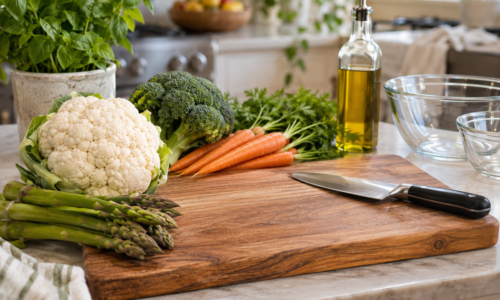
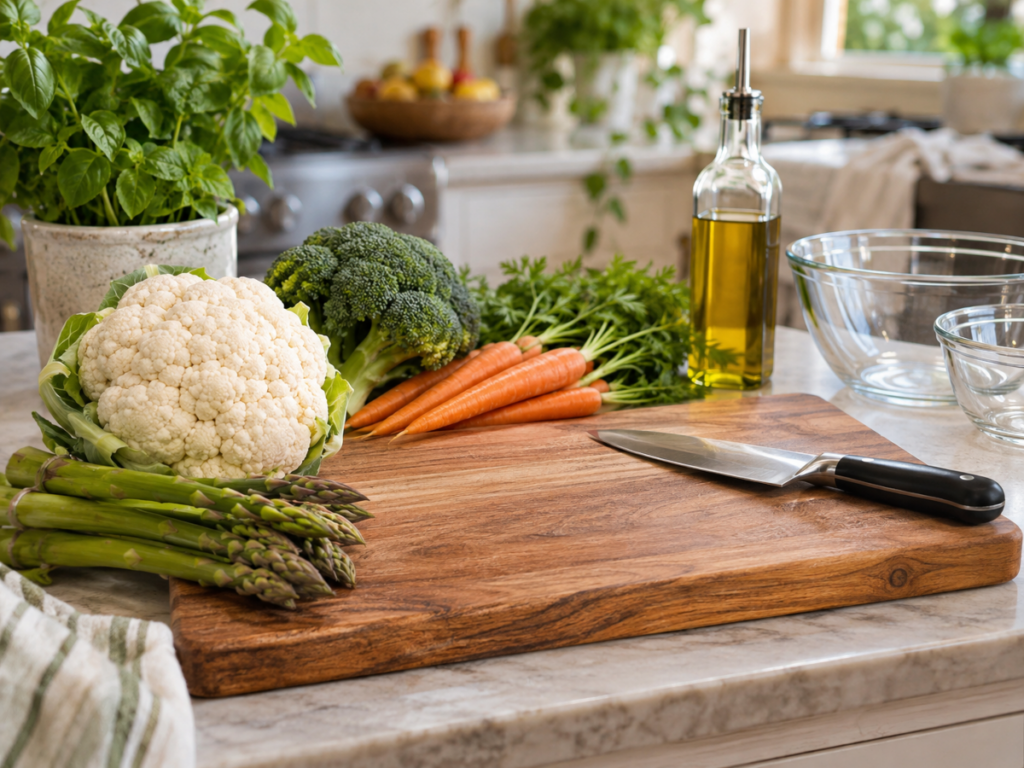
The pantry should also support enough variety to make regular cooking practical. Broccoli, cauliflower, asparagus, leafy greens, and carrots are common ingredients in many low-lectin meal plans, although their inclusion does not mean they are scientifically established as completely lectin-free. Having several familiar vegetables, protein sources, and appropriate cooking ingredients available makes it easier to prepare complete meals without relying on specialty products for every dish.
Creating an Organized Refrigerator Space
Refrigerator storage can present more difficulties than countertop organization, particularly when several people buy groceries on different schedules. A designated refrigerator bin or section of a shelf provides a predictable location for selected vegetables, prepared ingredients, and leftovers. Clear containers also make it easier to identify food without opening multiple packages.
Food safety should determine where refrigerated items are placed. Raw poultry, meat, and seafood should remain securely packaged and positioned so their juices cannot drip onto ready-to-eat foods. A low-lectin storage bin should never compromise that separation, even if the most convenient available shelf is directly beneath uncooked meat.
Temperature control is equally important. The FDA’s food storage recommendations specify maintaining refrigerators at 40°F (4°C) or below and refrigerating perishable foods within two hours, or within one hour when surrounding temperatures exceed 90°F (32°C). An appliance thermometer is useful because refrigerator settings do not always indicate the actual temperature inside.
Prepared foods should be stored in clean, covered containers and labeled with the preparation date. Cooked leftovers generally should be refrigerated promptly in shallow containers and used within three to four days, according to standard federal food-storage guidance. The appropriate storage period for fresh vegetables varies with the ingredient, its condition, and whether it has been cut or cooked.
Preparing only the amount of produce likely to be used soon can reduce waste in a crowded refrigerator. Cauliflower florets, trimmed asparagus, and washed leafy greens can be convenient meal components when handled and stored properly. However, washing produce before storage can leave unwanted moisture, so leafy greens should be dried adequately and kept under conditions suitable for the specific vegetable.
Shared appliances are often the least practical items to duplicate. Purchasing separate blenders, food processors, air fryers, and cooking pans can consume considerable money and storage space without providing meaningful advantages over properly cleaned equipment. Most households can manage ordinary dietary preferences by washing shared appliances thoroughly between uses.
A blender used for tomato-based sauce, for example, should have its jar, lid, seals, and removable parts cleaned before preparing a sauce made with different ingredients. Food processors require similar attention around blades and areas where chopped ingredients collect. Follow manufacturer instructions when disassembling and cleaning electrical equipment, especially when components cannot safely be submerged.
Air fryers and toaster ovens present another common issue because crumbs and seasoning residue can remain in baskets, trays, and cooking chambers. Remove food debris, clean accessible removable components, and allow equipment to dry before preparing another meal. Reusable cooking liners can simplify some tasks, but they must be appropriate for the appliance and should not obstruct airflow or contact heating elements.
The cooking method itself matters when preparing certain lectin-containing ingredients. Some lectins are substantially reduced by appropriate moist-heat cooking, but the effect varies according to the food and the specific lectin involved. Roasting, air frying, boiling, and pressure cooking cannot be assumed to produce equivalent reductions in lectin activity.
Dried kidney beans provide a particularly well-documented example. Raw or inadequately cooked kidney beans can contain active phytohaemagglutinin, a lectin capable of causing acute gastrointestinal illness. The Hong Kong Centre for Food Safety’s guidance on phytohaemagglutinin in beans describes soaking beans for at least 12 hours and boiling them vigorously in fresh water for at least 10 minutes, with continued cooking as needed until fully cooked. Low-temperature slow cooking alone is not a reliable method for making raw dried kidney beans safe.
Commercially canned kidney beans have already undergone appropriate heat processing and can be eaten without additional cooking from a lectin-safety standpoint. Someone following a restrictive low-lectin eating plan may still choose not to include them, but that is a separate dietary decision. The kidney bean example also illustrates why preparation guidance for one food should not automatically be applied to vegetables, grains, or other legumes.
Developing an Efficient Meal Preparation Routine
An established preparation sequence reduces the amount of kitchen space and equipment needed at any one time. Begin by clearing and cleaning the workspace, washing your hands, gathering the required tools, and placing the selected ingredients within reach. Checking labels and recipe instructions before cooking begins can prevent interruptions when the stove is already hot.
Consider a dinner of roasted chicken with cauliflower and asparagus. Start by washing the vegetables under running water, trimming them, and arranging them on a clean cutting board. The vegetables can then be seasoned with selected herbs and olive oil before raw chicken is handled separately.
Raw poultry should not be washed because splashing water can spread bacteria around the sink and nearby food-contact surfaces. Use separate equipment for the chicken, wash hands after handling it, and clean contaminated utensils and surfaces before touching ready-to-eat foods. A food thermometer should confirm that the chicken reaches a safe internal temperature of 165°F (74°C), as specified in the federal food-safety recommendations.
Preparing vegetables first is a useful habit when working with limited counter space. It allows ready-to-eat or lightly cooked ingredients to be handled before raw animal products are introduced into the work area. Once ingredients are prepared, the board can be cleared and washed, leaving enough room for cookware and serving dishes.
Advance preparation can also reduce competition for the kitchen during busy evenings. Washing and trimming vegetables, portioning selected ingredients, and preparing appropriate cooked components ahead of time can shorten the work required for the next meal. Refrigerated ingredients must still be stored safely, and raw meat should never be left at room temperature while other preparation tasks are completed.
Establishing Reasonable Boundaries With Other Kitchen Users
A dedicated prep station is easier to maintain when everyone sharing the kitchen understands its purpose. A brief conversation about which cutting board, containers, and ingredients are reserved for particular meals can prevent accidental borrowing or ingredient mix-ups. Clear labels often communicate these arrangements more effectively than repeatedly reminding other household members.
Shared kitchen schedules may also require some cooperation. If someone is preparing bread dough or a sauce containing ingredients outside your eating plan, waiting until the counter is cleared and cleaned may be more practical than trying to cook alongside them. Alternating preparation times can prevent crowding around the sink, stove, and primary work surfaces.
Household rules should be proportionate to the actual concern. A voluntary low-lectin eating plan generally does not require treating the entire kitchen as a controlled environment, while diagnosed allergies and celiac disease may require more specific measures to prevent cross-contact. Explaining the difference helps establish workable expectations without confusing dietary preferences with medically necessary precautions.
Keeping the Prep Station Affordable and Adaptable
Creating a practical low-lectin preparation area does not require replacing usable kitchen equipment. A reliable cutting board, knife, storage basket, and several food containers may provide nearly everything needed for daily preparation. Shared cookware and appliances can remain part of the routine when cleaned properly and used according to their instructions.
Portable equipment is particularly useful for renters, students, and people living in small households. A compact lidded bin can hold utensils and measuring tools, while a cutting board can be stored vertically in a cabinet. This arrangement allows the preparation station to be assembled when needed without permanently occupying shared countertop space.
Additional purchases should address specific cooking habits. Someone who frequently prepares roasted vegetables may benefit from an extra baking sheet, while a person making sauces may prefer a blender with easily removable, washable components. Specialized equipment offers little advantage when it duplicates tools that are already suitable for the work.
Making the Prep Station Work During Busy Meals
The busiest period in a shared kitchen is often when several people return home and begin preparing dinner. Countertops fill with groceries, cookware competes for stove space, and refrigerated ingredients need to be retrieved without disturbing someone else’s meal preparation. A compact station that can be assembled quickly becomes especially useful under these conditions.
One effective approach is to prepare ingredients in the order they will be needed and keep unnecessary equipment off the counter. Vegetables can be trimmed and placed in a bowl before the cutting board is cleared for another task. Seasonings can be measured beforehand, and finished components can be transferred to clean containers rather than occupying the preparation area throughout cooking.
The arrangement should also accommodate changes in shopping habits and meal planning. A household may begin using different vegetables, switch to another cooking oil, or discover that certain storage containers are inconvenient for frequently prepared dishes. Adjusting the location of supplies or changing container sizes can make the system more efficient without requiring an entirely new setup.
A useful improvement often becomes apparent through a recurring inconvenience. If a preferred seasoning repeatedly gets misplaced among shared supplies, giving it a labeled location solves the problem. If prepared vegetables crowd the refrigerator, smaller batches or a different preparation schedule may be more effective than purchasing additional storage containers. These adjustments allow the low-lectin prep station to remain a practical part of an actively used kitchen, with its organization shaped by the meals being prepared and the space everyone needs.