
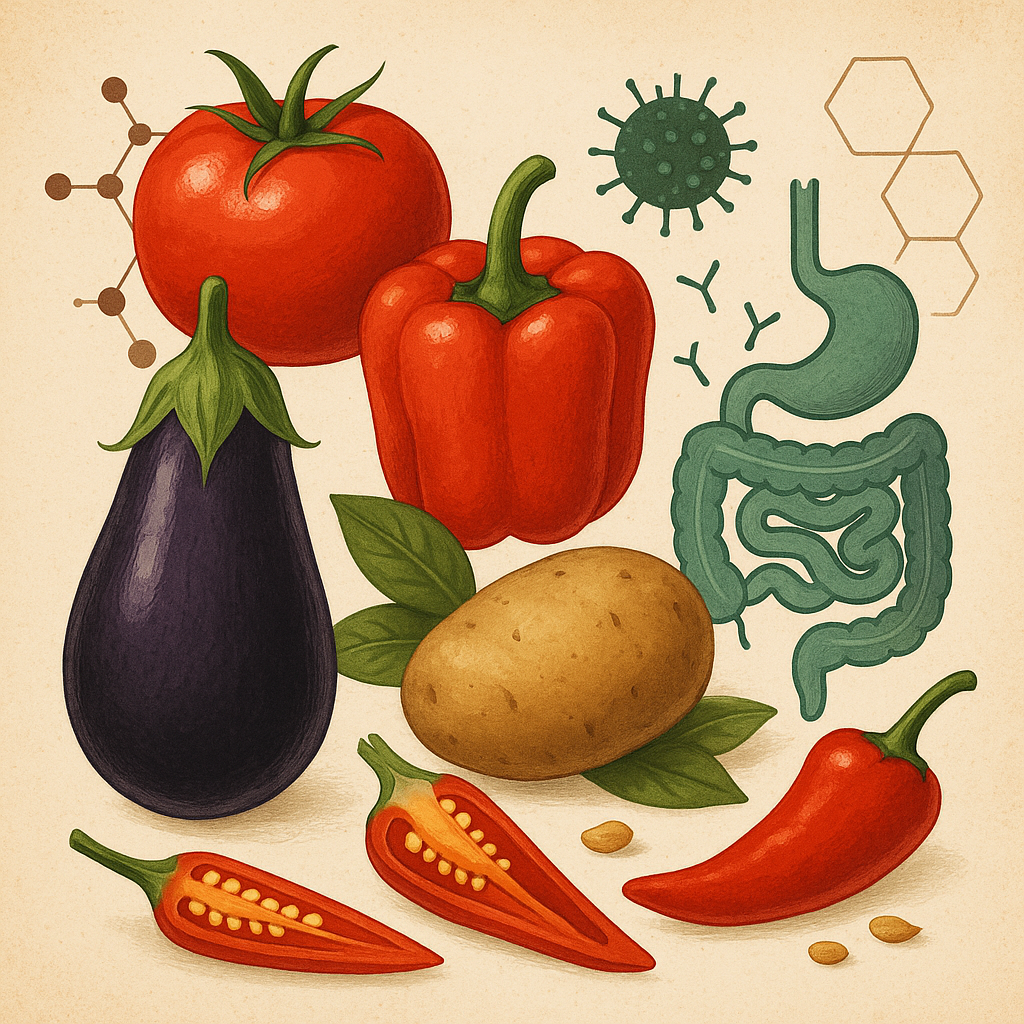
Nightshades are some of the most familiar and widely consumed foods in the modern diet. Tomatoes, potatoes, peppers, and eggplants appear across cuisines, cultures, and comfort foods alike. For most people, they are simply vegetables. For others, they are a source of ongoing digestive discomfort, inflammation, or unexplained symptoms. Much of this debate centers on a specific question: what makes nightshade lectins different from lectins found in other plant foods?
To understand why nightshades occupy a unique place in nutrition discussions, it helps to look beyond simple food categories and examine how these plants evolved, how their lectins function, and how the human body responds to them under different conditions.
Understanding Lectins in Context
Lectins are a diverse group of proteins found throughout the plant kingdom. Their primary role is not nutritional but defensive. Plants produce lectins as a way to discourage predators, pests, and microbes from consuming them. These proteins bind to carbohydrates on the surfaces of cells, which is why they can interact so directly with the digestive tract and immune system.
Not all lectins behave the same way. Their structure, stability, and biological activity vary significantly depending on the plant source. Some lectins are easily broken down by cooking and digestion. Others are more resistant and biologically active, even after preparation.
Nightshade lectins fall into the latter category, which is part of what makes them distinct.
The Nightshade Family and Its Chemical Strategy
The nightshade family, known botanically as Solanaceae, includes a wide range of plants that have evolved potent chemical defenses. These defenses extend beyond lectins and include alkaloids such as solanine, capsaicin, and nicotine-related compounds. The presence of multiple defensive substances suggests that these plants evolved under strong pressure to deter consumption.
From an evolutionary perspective, nightshades did not evolve primarily to be eaten by mammals. Their fruits and tubers were protected by chemical signals that could cause irritation, digestive distress, or neurological effects in predators. Lectins are part of this broader defense system rather than an isolated feature.
This layered defense strategy is one reason nightshade lectins are often more biologically active than lectins from grains or legumes.
Structural Differences in Nightshade Lectins
One of the key factors that sets nightshade lectins apart is their molecular stability. Many lectins found in beans or grains are sensitive to heat and moisture. Proper soaking, boiling, or pressure cooking can significantly reduce their activity.
Nightshade lectins tend to be more resistant to breakdown. While cooking does reduce lectin content in nightshades, it does not always eliminate their biological effects entirely. This is especially relevant for foods like tomatoes and peppers, which are often consumed cooked but still retain some lectin activity.
Another distinguishing feature is binding specificity. Nightshade lectins have a strong affinity for certain carbohydrate structures found on intestinal cells. This means they may adhere more readily to the gut lining, especially in individuals with compromised intestinal barriers.
Interaction With the Gut Lining
The digestive tract is designed to absorb nutrients while maintaining a protective barrier against pathogens and large proteins. Lectins challenge this balance by binding to intestinal cells rather than being fully broken down.
Nightshade lectins are particularly notable for their ability to interact with epithelial cells lining the gut. In healthy individuals with intact digestion and robust gut integrity, this interaction may be minimal or well-managed. In people with increased intestinal permeability, often referred to as leaky gut, these interactions may be more pronounced.
Research suggests that lectins can influence tight junctions between intestinal cells. When these junctions become less effective, larger molecules can pass into circulation, potentially triggering immune responses. Nightshade lectins are not unique in this capacity, but their stability and binding strength may amplify this effect in susceptible individuals.
Immune Signaling and Individual Sensitivity
One of the most misunderstood aspects of nightshade lectins is their relationship to the immune system. Lectins are not toxins in the classic sense, but they can act as signaling molecules. When lectins bind to immune cells or intestinal tissue, they may influence cytokine release and inflammatory signaling.
This does not mean nightshades universally cause inflammation. Rather, they appear to act as amplifiers. In individuals with autoimmune conditions, chronic inflammation, or heightened immune reactivity, nightshade lectins may contribute to symptom flares.
This variability explains why nightshades can be tolerated well by some people while causing joint pain, digestive upset, or skin reactions in others. Genetics, gut health, microbiome composition, and overall immune balance all play a role in determining response.
Nightshade Lectins Versus Grain and Legume Lectins
Comparing nightshade lectins to those found in grains and legumes highlights important differences. Grain lectins such as wheat germ agglutinin are often discussed due to their immune activity, but they are primarily associated with seeds rather than fruits or tubers.
Legume lectins, especially in raw beans, are highly active but generally easy to deactivate with proper cooking. Pressure cooking and prolonged boiling significantly reduce their effects.
Nightshade lectins occupy a middle ground. They are not as acutely toxic as raw bean lectins, but they are more persistent than many grain lectins. Their presence in commonly consumed, cooked foods means exposure tends to be frequent and cumulative rather than acute.
The Role of Alkaloids and Synergy
Another factor that makes nightshade lectins unique is their interaction with other plant compounds. Alkaloids such as solanine and tomatine often coexist with lectins in nightshade foods. These compounds can affect nerve signaling, membrane permeability, and inflammation.
While lectins and alkaloids are distinct molecules, their effects may be synergistic. Alkaloids can increase cellular permeability, potentially allowing lectins greater access to tissues. This synergy may help explain why some individuals react strongly to nightshades even when lectin content alone seems modest.
It is also worth noting that alkaloid concentrations vary widely depending on ripeness, preparation, and plant variety. Green or sprouting potatoes, for example, contain significantly higher levels of solanine.
Fermentation and Preparation Methods
Traditional food preparation methods often evolved in response to plant defenses. Fermentation, peeling, deseeding, and long cooking times all reduce the defensive compounds in nightshades to varying degrees.
Tomato fermentation, removal of skins and seeds, and extended cooking can lower lectin and alkaloid activity. Pressure cooking potatoes reduces lectin content more effectively than baking or slow cooking. These methods do not eliminate all biological activity, but they can make nightshades more tolerable for many people.
However, individual sensitivity still matters. Even well-prepared nightshades may provoke symptoms in those with autoimmune conditions or chronic gut inflammation.
Why Nightshades Feel Different in the Body
People who react to nightshades often describe a distinctive pattern. Symptoms may include joint stiffness, muscle aches, brain fog, digestive discomfort, or skin irritation rather than immediate allergic reactions. These delayed responses align with immune signaling rather than classic food allergies.
Lectins are not allergens in the traditional sense. They do not trigger IgE-mediated reactions like peanuts or shellfish. Instead, they tend to influence innate immune pathways and inflammatory cascades. This slower, systemic response can make it difficult to identify nightshades as the cause without careful elimination and reintroduction.
The cumulative nature of exposure also matters. Nightshades are often eaten daily in sauces, spices, and side dishes. For sensitive individuals, small amounts consumed frequently may have a larger impact than occasional servings.
The Question of Dose and Context
It is important to emphasize that lectins operate on a spectrum. The presence of nightshade lectins does not automatically make these foods harmful. Dose, preparation, and individual physiology all influence outcome.
For people with robust digestion and no underlying inflammatory conditions, nightshades may offer valuable nutrients, antioxidants, and culinary enjoyment. For others, especially those managing autoimmune disease or chronic pain, reducing or eliminating nightshades can lead to noticeable improvements.
Context also includes the broader diet. A diet high in processed foods, refined sugars, and low in fiber may amplify lectin effects by weakening gut integrity. In contrast, a nutrient-dense diet that supports microbiome diversity may buffer against lectin-related stress.
Scientific Uncertainty and Ongoing Research
The science of lectins is still evolving. While animal studies and cellular research provide insight into mechanisms, large-scale human trials are limited. Much of what is known comes from observational data, clinical experience, and mechanistic studies rather than definitive population-wide conclusions.
This uncertainty is often misinterpreted as dismissal or proof. In reality, it reflects the complexity of human biology. Nightshade lectins do not act in isolation, and their effects depend heavily on individual context.
Responsible discussion acknowledges both potential benefits and risks without overstating certainty.
Making Informed Choices About Nightshades
Understanding what makes nightshade lectins different allows for more informed dietary decisions. Rather than labeling nightshades as universally good or bad, it is more accurate to view them as conditional foods.
For individuals experiencing unexplained inflammation, joint pain, or digestive issues, experimenting with nightshade reduction can be a useful diagnostic tool. For others, mindful preparation and moderation may be sufficient.
The key is awareness rather than fear. Nightshades are not inherently dangerous, but they are biologically active in ways that deserve respect.
Conclusion: A Unique Category of Plant Defense
Nightshade lectins stand apart not because they are uniquely harmful, but because they are uniquely resilient, interactive, and context-dependent. Their stability, binding behavior, and synergy with alkaloids place them in a distinct category among plant lectins.
For some, they are a non-issue. For others, they are a missing piece in the puzzle of chronic inflammation or immune imbalance. Understanding their role allows individuals to move beyond blanket dietary advice and toward personalized, evidence-informed choices.
As research continues, nightshades will likely remain a focal point in discussions about plant defenses, immune signaling, and the complex relationship between food and human biology.