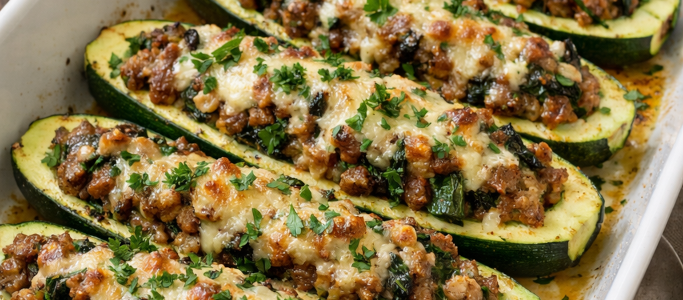
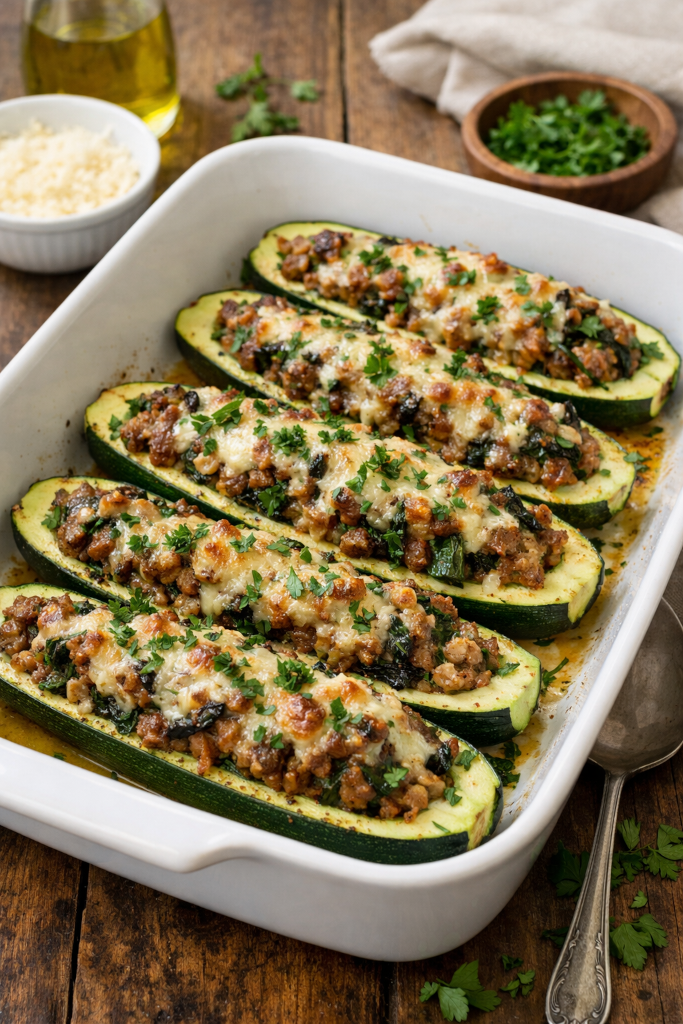
There is something symbolic about a zucchini boat. It is simple, hollowed out and ready to be filled with intention. In many ways, that mirrors the transition into a low-lectin lifestyle. You do not have to tear down everything you know about food. You simply rethink what fills the center.
When I first began exploring how lectins interact with the body, I expected complicated lab language and rigid food rules. Instead, what I found was a pattern. Lectins are carbohydrate-binding proteins found in many plants, especially legumes, grains, and members of the nightshade family. They are part of a plant’s natural defense system. In properly prepared foods, many lectins are reduced. In some individuals, however, certain lectins appear to contribute to digestive irritation, immune activation, or inflammatory symptoms.
Modern research does not claim that all lectins are toxic or that everyone must avoid them. What it does show is that some lectins can resist digestion, bind to gut lining cells, and in susceptible individuals, influence intestinal permeability and immune signaling. For people with digestive sensitivity, autoimmune conditions, or unexplained inflammation, reducing dietary lectin load can sometimes provide relief.
A recipe like stuffed zucchini boats becomes more than dinner. It becomes an example of how we can enjoy satisfying meals while thoughtfully lowering exposure to the most problematic lectin sources.
Understanding Lectins in Context
Lectins are found throughout the plant kingdom. Some of the most studied include wheat germ agglutinin in wheat and phytohemagglutinin in kidney beans. Raw or undercooked kidney beans can cause acute digestive distress due to high lectin content. Fortunately, proper soaking and pressure cooking dramatically reduce these compounds.
Zucchini, by contrast, is considered a low-lectin vegetable. It is not part of the legume family, nor is it a nightshade. When seeds are removed and the vegetable is well cooked, it is generally tolerated even by individuals who are sensitive.
This is an important distinction. A low-lectin approach is not about eliminating vegetables. It is about understanding categories. Legumes and grains tend to carry higher lectin loads. Nightshades like tomatoes and peppers contain lectins that can be problematic for some individuals. Pressure cooking, fermenting, peeling, and deseeding are traditional preparation methods that reduce exposure.
Zucchini offers us a flexible base. It allows for creative fillings without relying on beans, lentils, or grain-heavy binders.
Why Zucchini Boats Fit a Low-Lectin Framework
A stuffed zucchini boat recipe can easily drift into higher lectin territory if filled with quinoa, black beans, tomato sauce, or bell peppers. Those ingredients are not universally harmful, but they may not align with a low-lectin experiment.
Instead, we can build flavor and texture using:
- Pasture-raised ground meat or wild-caught fish
- Low-lectin vegetables like onions, mushrooms, and leafy greens
- Herbs and spices
- Healthy fats such as olive oil
- A modest amount of aged cheese if tolerated
By shifting the center of the recipe, we lower the lectin load without sacrificing taste. This is a theme I return to often in Living Low-Lectin. It is not about deprivation. It is about design.
The Role of Cooking Methods
Heat matters. Some lectins are heat-sensitive, while others require more intense preparation methods like pressure cooking. Simple roasting at high temperature helps soften plant fibers and makes vegetables easier to digest. It does not eliminate all lectins in high-lectin foods, but it contributes to overall digestibility.
For zucchini boats, roasting the hollowed halves before filling them serves two purposes. It removes excess moisture and improves texture. It also enhances flavor through caramelization. Meanwhile, thoroughly cooking the filling ensures proteins are safe and digestible.
The science here is straightforward. Cooking denatures proteins, alters plant cell walls, and can reduce certain anti-nutrients. For sensitive individuals, this can translate into less bloating and more predictable digestion.
Stuffed Zucchini Boats
Ingredients
- 4 medium zucchini, washed and ends trimmed
- 1 pound pasture-raised ground beef or ground turkey
- 1 tablespoon extra virgin olive oil
- 1 small yellow onion, finely diced
- 1 cup finely chopped mushrooms
- 2 cloves garlic, minced
- 1 cup fresh spinach, chopped
- 1 teaspoon dried oregano
- 1 teaspoon dried basil
- ½ teaspoon sea salt, or to taste
- ¼ teaspoon black pepper
- ½ cup grated aged Parmesan cheese, optional and tolerated by many
- 2 tablespoons fresh parsley, chopped
Instructions
- Preheat oven to 400°F.
- Slice each zucchini lengthwise. Using a spoon, gently scoop out the center flesh, leaving about a quarter inch border to create sturdy boats. Finely chop the scooped flesh and set aside.
- Place zucchini halves cut side up on a baking sheet lined with parchment paper. Lightly brush with olive oil and sprinkle with a pinch of sea salt. Roast for 10 minutes to remove excess moisture.
- While zucchini pre-roasts, heat olive oil in a skillet over medium heat. Add diced onion and cook until translucent, about 4 minutes.
- Add mushrooms and cook until they release moisture and begin to brown.
- Stir in garlic and cook for 30 seconds until fragrant.
- Add ground meat. Break it apart with a spoon and cook thoroughly until no pink remains.
- Stir in chopped zucchini flesh and cook for 2 to 3 minutes.
- Add spinach, oregano, basil, salt, and pepper. Cook until spinach wilts and mixture is well combined.
- Remove skillet from heat. Stir in half of the Parmesan cheese if using.
- Spoon filling into pre-roasted zucchini boats, packing gently.
- Sprinkle remaining Parmesan on top.
- Return to oven and bake for 15 to 20 minutes until zucchini is tender but not mushy.
- Remove from oven and top with fresh parsley before serving.
What This Recipe Demonstrates About Lectin Awareness
This recipe avoids high-lectin legumes and grains. It avoids nightshades such as tomatoes and peppers. It uses whole ingredients that are naturally lower in lectins and easy to digest for many individuals.
The protein source plays a central role. Animal proteins do not contain lectins. For some people, shifting toward higher-quality protein and away from grain-based fillers reduces digestive symptoms.
The vegetables selected are typically well tolerated. Mushrooms, onions, spinach, and zucchini are not in the high-lectin categories most commonly associated with sensitivity. If dairy is problematic, the cheese can be omitted. Nutritional yeast can be used cautiously, though individuals vary in tolerance.
The Gut Barrier and Personal Sensitivity
Much of the conversation around lectins centers on the gut lining. The intestinal wall is protected by a mucus layer and tight junction proteins that regulate permeability. In healthy individuals, this barrier is resilient. In some people, especially those with autoimmune conditions or chronic inflammation, the barrier may be more reactive.
Certain lectins have been shown in laboratory settings to bind to gut epithelial cells. In susceptible individuals, this may contribute to immune activation. That does not mean lectins are universally dangerous. It means context matters.
When people experiment with reducing lectin exposure, they often report less bloating, fewer joint aches, or improved energy. These reports are anecdotal, but they are consistent enough that researchers continue to explore mechanisms. A recipe like stuffed zucchini boats becomes a practical tool in that exploration. It allows someone to eat a satisfying meal while minimizing potential irritants.
Food Distribution and Modern Diet Patterns
Another layer of this discussion involves how modern food systems shape exposure. Grains and legumes are staples worldwide. They are inexpensive, shelf stable, and calorie dense. That is not inherently negative. It is part of human survival history.
However, traditional cultures rarely consumed large amounts of improperly prepared legumes. Soaking, fermenting, and long cooking were standard. In modern fast-paced kitchens, shortcuts are common. Canned beans are convenient. Quick-cook methods are popular.
A low-lectin lifestyle does not have to reject history. It can simply restore preparation wisdom. When beans are consumed, pressure cooking dramatically reduces lectins. When grains are eaten, fermentation like sourdough reduces certain anti-nutrients. Stuffed zucchini boats sidestep that issue altogether. They demonstrate how to build meals around vegetables and proteins rather than processed grains.
Flexibility Within a Low-Lectin Lifestyle
One of the misconceptions about lectin reduction is that it must be rigid. In reality, most people find a personal threshold. Some can tolerate small amounts of well-prepared legumes. Others do better limiting them significantly.
You might adapt this recipe by:
- Using ground lamb instead of beef
- Adding chopped fresh herbs like thyme
- Mixing in cauliflower rice for added bulk
- Topping with goat cheese instead of Parmesan
Each variation keeps the core concept intact while allowing creativity.
Living Low-Lectin has always emphasized curiosity over fear. You pay attention. You adjust. You observe how your body responds.
A Meal That Reflects a Bigger Pattern
When you pull the zucchini boats from the oven, the aroma is rich and familiar. There is nothing extreme about it. No obscure powders. No expensive supplements. Just real food arranged thoughtfully.
That is the heart of the approach.
Lectin research continues to evolve. Scientists are exploring how dietary proteins interact with the immune system, how gut bacteria influence tolerance, and why some individuals react more strongly than others. The conversation is nuanced. It is not about labeling entire food groups as villains.
It is about recognizing that modern health challenges may require modern awareness.
A stuffed zucchini boat might seem simple. Yet it reflects several important principles:
- Understanding which foods are higher in lectins
- Using traditional cooking methods
- Prioritizing whole ingredients
- Listening to personal response
Over time, these small choices accumulate. They shift the pattern of the diet. They reduce potential triggers. They create space for the body to recalibrate.
And that is what Living Low-Lectin has always been about. Not restriction. Not fear. But thoughtful design in a world where food is abundant, complex, and deeply connected to how we feel every day.