


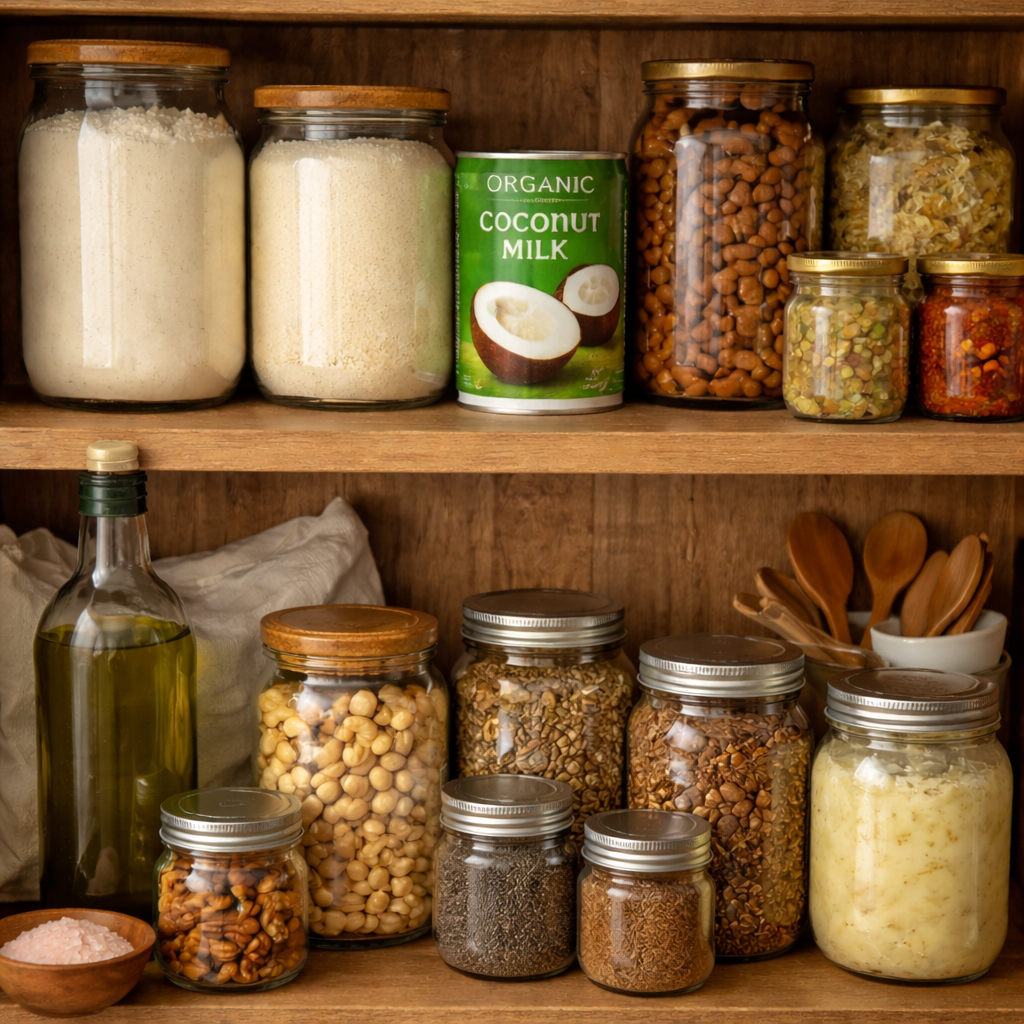
For many people exploring a low-lectin lifestyle, the first stage of the journey is often defined by restriction. Foods are removed from the kitchen. Ingredient labels are examined more closely. Favorite meals may temporarily disappear while new habits form. The early conversation about lectins often centers on what to avoid.
Yet over time, a more interesting question begins to emerge. Instead of focusing only on what is missing from the pantry, many people begin asking what belongs there.
The truth is that many of the most useful low-lectin ingredients are not exotic health foods or expensive specialty products. They are simple staples that have quietly existed in kitchens for centuries. Some were used before modern food systems reshaped our diets. Others appear in traditional cuisines that naturally developed techniques for reducing plant defense compounds.
These overlooked pantry staples help transform low-lectin eating from a restrictive diet into a flexible way of cooking. They allow home cooks to build satisfying meals without relying on highly processed substitutes or overly complicated recipes.
Understanding these foods also reveals an important principle about lectins. Preparation methods, ingredient choices, and food combinations matter just as much as the foods themselves.
The Role of Lectins in the Food Supply
Lectins are naturally occurring proteins found in many plants. Their primary biological role is defensive. Plants cannot run away from predators, so they produce chemical compounds that discourage animals and insects from eating them.
Some lectins bind to carbohydrates on the surface of cells. This ability allows them to interact with the lining of the digestive tract in ways that may influence gut barrier function, immune responses, or inflammation in certain individuals. Not everyone reacts to lectins in the same way, but for people with digestive sensitivity, autoimmune conditions, or chronic inflammation, reducing lectin exposure can sometimes improve symptoms.
Modern research has also clarified an important point that is often overlooked in simplified nutrition discussions. Many lectins are sensitive to preparation methods such as soaking, fermenting, pressure cooking, or peeling. Traditional cooking methods often evolved precisely because they made plant foods safer and easier to digest.
This is why a low-lectin kitchen is not only about removing certain foods. It is also about rediscovering traditional ingredients and techniques that naturally reduce lectin activity.
Some of the most valuable tools for doing that are hiding in plain sight.
Cassava Flour: A Forgotten Traditional Staple
One of the most powerful low-lectin pantry ingredients is cassava flour. Cassava is a root vegetable that has been a major food source in parts of Africa, South America, and Southeast Asia for thousands of years.
Unlike wheat, cassava contains no gluten and has a naturally low lectin profile when properly processed. Traditional preparation methods remove naturally occurring compounds that could otherwise be irritating. What remains is a versatile flour that behaves surprisingly well in cooking.
Cassava flour has a neutral flavor and a texture that can mimic wheat flour more closely than many grain-free alternatives. It works in flatbreads, pancakes, tortillas, and baked goods. For people transitioning away from wheat products that may contain lectin-rich grains or gluten-related sensitivities, cassava often becomes a foundational ingredient.
Because it is made from the entire cassava root rather than only the starch, it retains fiber and a more balanced texture. This allows it to perform well in recipes without requiring a long list of stabilizers or gums.
Many people exploring low-lectin cooking eventually realize that cassava flour allows them to rebuild familiar foods in a more digestively friendly form.
Coconut Products Beyond Coconut Oil
Coconut oil has become widely known in nutrition discussions, but the coconut itself offers several other pantry staples that often go unnoticed.
Coconut flour is one example. Made from dried coconut meat, it is naturally low in lectins and extremely high in fiber. A small amount absorbs large quantities of liquid, which allows it to thicken batters, soups, and sauces without relying on grain-based starches.
Coconut milk and coconut cream also deserve a place in the low-lectin pantry. They provide richness to dishes without requiring dairy or plant milks derived from lectin-heavy legumes.
Many traditional cuisines rely on coconut milk to build the body of soups and stews. This approach allows meals to remain satisfying while avoiding ingredients that might cause digestive discomfort.
The coconut tree has often been called the “tree of life” in tropical cultures because of how many culinary uses it provides. In the context of low-lectin cooking, its versatility becomes even more valuable.
Millet: The Ancient Grain That Quietly Fits
While many discussions about lectins focus on eliminating grains entirely, the reality is more nuanced. Not all grains behave the same way in the body.
Millet is an ancient grain that has been cultivated for over 7,000 years. Compared to some modern hybridized grains, it contains relatively lower lectin activity and can be easier for many people to digest when properly prepared.
Millet cooks quickly and has a mild flavor that adapts to both savory and sweet dishes. It can function as a base similar to rice or quinoa but offers a slightly nutty taste and a soft texture.
In many traditional cultures, millet was soaked or fermented before cooking. These techniques help reduce naturally occurring plant compounds and improve mineral availability.
When used thoughtfully, millet can become a reliable pantry ingredient that expands meal options without reintroducing many of the issues associated with highly processed grains.
Extra Virgin Olive Oil: More Than Just a Fat
Few pantry ingredients play as many roles as olive oil. In a low-lectin kitchen, it becomes even more central.
Extra virgin olive oil is not simply a cooking fat. It contains polyphenols and antioxidant compounds that have been studied for their potential anti-inflammatory properties. These compounds may support cardiovascular health and contribute to a more balanced immune response.
In Mediterranean cultures, olive oil is often treated as a foundational ingredient rather than a finishing touch. Vegetables are roasted in it. Fish is poached in it. Salads are built around it.
This style of cooking naturally aligns with low-lectin principles because it emphasizes whole foods prepared simply rather than heavily processed products.
The quality of olive oil matters. Cold-pressed extra virgin oils retain the highest levels of beneficial compounds. When used generously in cooking, they help build flavor while supporting the broader nutritional goals of a lectin-aware lifestyle.
Pressure-Cooked Legumes: The Nuanced Middle Ground
Legumes are often one of the most debated food groups in lectin discussions. Beans, lentils, and chickpeas contain lectins that can irritate the digestive tract when eaten raw or undercooked.
However, preparation methods dramatically change their chemistry.
Pressure cooking is particularly effective at breaking down lectins in many legumes. Research has shown that the combination of heat, pressure, and moisture denatures lectin proteins and makes them far less active.
In traditional cultures, beans were rarely cooked quickly. They were soaked overnight, rinsed, and then simmered for long periods. Modern pressure cookers replicate and intensify this process.
For some people following a low-lectin lifestyle, properly prepared legumes may still be tolerated in moderate amounts. Others choose to avoid them entirely.
The key point is that the relationship between lectins and food is rarely as simple as labeling entire food groups as good or bad. Preparation matters.
Fermented Foods as Functional Pantry Tools
Fermentation is another traditional technique that deserves attention in the low-lectin kitchen.
When foods ferment, beneficial microbes begin breaking down complex plant compounds. This process can reduce certain antinutrients and improve digestibility.
Fermented vegetables such as sauerkraut or kimchi provide beneficial bacteria that support the gut microbiome. Fermented dairy products like yogurt or kefir may also be easier to digest for some individuals.
These foods introduce acidity and depth of flavor to meals while supporting digestive health. They also connect modern cooking with methods that humans have relied on for thousands of years.
A spoonful of fermented vegetables alongside a meal may seem simple, but it reflects a long history of culinary knowledge that recognized the importance of microbial transformation.
Seeds and Nuts That Work Well
Nuts and seeds are often discussed in lectin conversations because some varieties contain higher levels of lectins or enzyme inhibitors.
However, certain options tend to work well for many people when consumed in moderation and properly prepared.
Macadamia nuts are one of the lowest lectin nuts available. They are rich in healthy monounsaturated fats and have a creamy texture that makes them useful in both snacks and recipes.
Pecans and walnuts can also work well for many individuals, particularly when soaked or lightly roasted.
Seeds such as flax or chia provide fiber and omega-3 fatty acids. When hydrated, they form a gel that can help replace eggs or thicken recipes in grain-free cooking.
These ingredients allow the pantry to remain nutritionally diverse without relying heavily on lectin-rich legumes or grains.
The Bigger Picture of a Low-Lectin Kitchen
Looking at these pantry staples together reveals a broader pattern.
A low-lectin kitchen often resembles traditional cooking more than modern convenience food culture. Whole ingredients replace processed ones. Preparation techniques regain their importance. Meals become less about packaged products and more about combining simple foods thoughtfully.
This approach does not require perfection. Human diets have always been flexible and adaptable. What matters most is understanding how ingredients interact with the body and how preparation methods influence their effects.
Many people who begin exploring lectin-aware eating eventually discover that the process leads them toward more mindful cooking in general. They start reading ingredient labels differently. They become curious about fermentation, soaking, and slow cooking. They rediscover foods that earlier generations relied on before industrial food production reshaped the pantry.
In many ways, the low-lectin lifestyle is less about restriction and more about rediscovery.
Rediscovering the Pantry
The modern supermarket offers thousands of products, yet many of the most useful ingredients for health and digestion remain overlooked.
Cassava flour quietly replaces wheat in familiar recipes. Coconut products build flavor and texture in unexpected ways. Millet reconnects us with ancient grains that fed civilizations long before modern agriculture. Olive oil anchors meals in simplicity and nutritional balance.
When combined with traditional preparation techniques like soaking, pressure cooking, and fermentation, these ingredients transform the way a kitchen operates.
For readers exploring the ideas behind Living Low-Lectin, the goal is not to create fear around food. It is to develop awareness. Lectins are one part of a complex nutritional landscape. By understanding how they function and how cooking methods influence them, people gain the ability to shape their diets in ways that support their individual health.
Sometimes the most valuable discoveries are not new superfoods or expensive supplements. They are the quiet staples that have been sitting on pantry shelves all along, waiting to be used in a more thoughtful way.
When those ingredients come together in everyday cooking, the low-lectin kitchen begins to feel less like a limitation and more like a return to a deeper culinary tradition.