Why Some Symptoms Appear After “Safe” Meals
One of the most frustrating parts of a low-lectin lifestyle is doing everything “right” and still feeling off afterward. You choose familiar ingredients. You avoid the obvious triggers.

One of the most frustrating parts of a low-lectin lifestyle is doing everything “right” and still feeling off afterward. You choose familiar ingredients. You avoid the obvious triggers.
Food journaling sounds simple at first. You eat something, you write it down, and later you look back to see what happened.
There is a familiar frustration that many people run into when they begin paying closer attention to digestion. They eat a simple meal, one they have tolerated before, and suddenly their stomach feels tight, bloated, rushed, heavy, or unsettled.
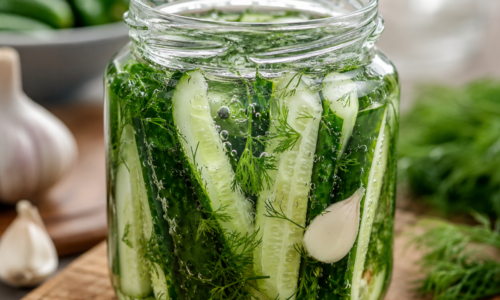
Fermentation feels almost old-fashioned at first. It brings to mind crocks on kitchen counters, jars of pickled vegetables, sourdough starters bubbling quietly, and yogurt setting into something thick and tangy.
Reintroductions can feel like the exciting part of an elimination diet. After days or weeks of simplifying meals, reading labels carefully, and eating in a more controlled way, it is natural to want answers.
Digestion is often described as something that happens after we eat, as if the body simply receives food and gets to work.
Anyone who has tried to understand their digestion knows how easy it is to blame the last thing they ate. A bowl of soup feels fine on Monday, then a similar meal seems to cause bloating on Thursday.
There is a quiet moment many people reach in a low-lectin lifestyle where they begin to wonder whether they are doing something wrong. They were eating carefully. They were choosing familiar foods.
One of the most frustrating parts of navigating a low-lectin lifestyle is that the body does not always respond on a neat little schedule.
It often starts with a familiar suspicion. A meal that seemed perfectly fine yesterday suddenly feels like a problem today.
Most people think of digestion as something that begins and ends with food. You eat, your body processes it, and eventually it is done.
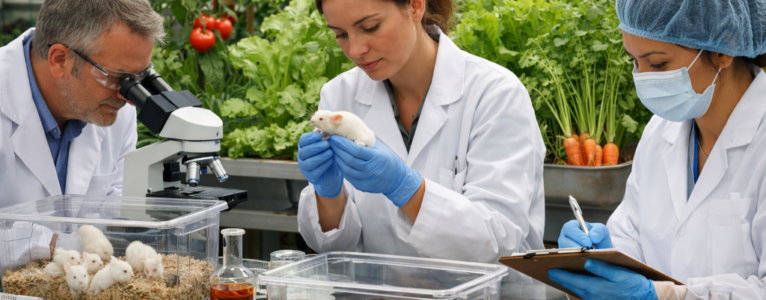
When people begin researching lectins, they often encounter bold claims backed by dramatic laboratory findings. A rat develops intestinal damage after being fed a purified plant protein.
For most people trying to eat better, cooking shortcuts feel like survival tools. Modern life does not leave much room for soaking beans overnight, simmering broths for hours, or carefully peeling and deseeding vegetables after a long workday.
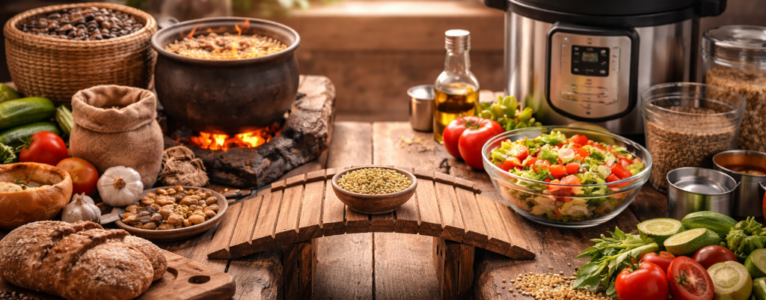
For most of human history, food was not something that came shrink-wrapped with an ingredient label or delivered within minutes of tapping a screen.
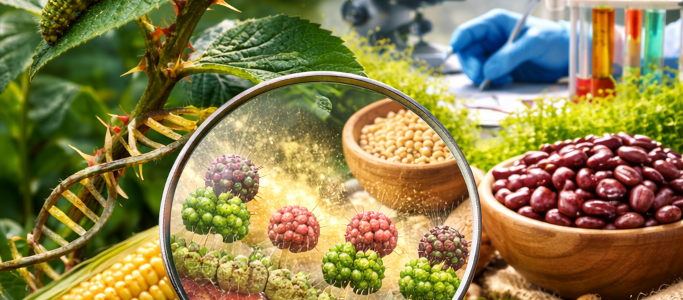
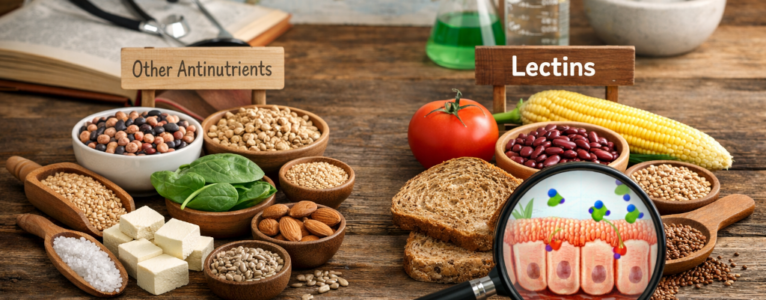
The word antinutrient has become a catch-all term in modern nutrition discussions. It appears in podcasts, blog posts, comment sections, and food debates, often framed as something to fear, eliminate, or ignore entirely.