How Acidic Environments Change Protein Behavior
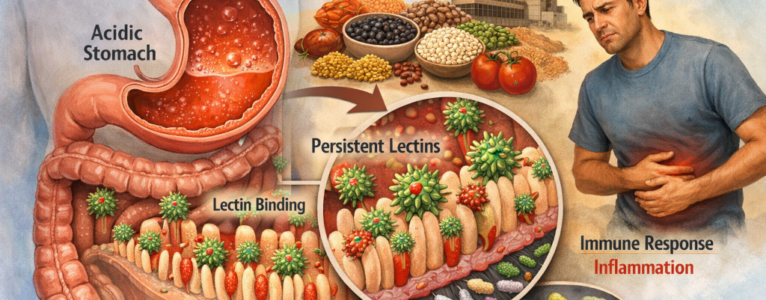
Proteins are often talked about as if they are static things. A chicken breast is protein. A bean contains protein. Lectins are proteins. Enzymes are proteins.

Proteins are often talked about as if they are static things. A chicken breast is protein. A bean contains protein. Lectins are proteins. Enzymes are proteins.
Talking about food is rarely just about food. It is about identity, culture, habits, and sometimes defensiveness.
When people first encounter the idea of lectins, the reaction is often confusion. These compounds are found in many foods that have been eaten for centuries.
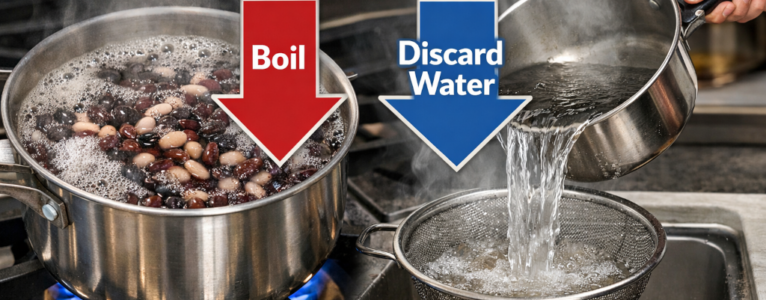
One of the simplest instructions you will see repeated in traditional cooking, ancestral food preparation, and modern low-lectin guidance is this: boil the food and discard the water.
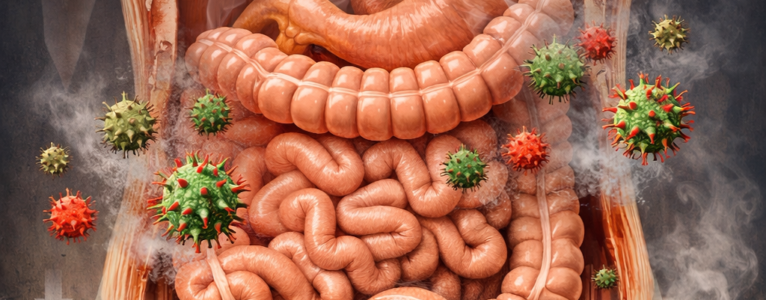
Digestion is often imagined as a powerful, unforgiving process. Food enters the mouth as something recognizable and exits the stomach and intestines as broken-down nutrients, reduced to amino acids, fatty acids, and simple sugars.
Lectins have gone from obscure biochemical footnotes to one of the most debated topics in modern nutrition. For decades, these plant proteins were discussed almost exclusively in academic journals…
Most of the time, eating is simple: you choose a food, you enjoy it, and your body breaks it down for fuel. But for many people struggling with digestive symptoms, chronic bloating, mysterious fatigue, or inflammatory flare-ups, food doesn’t always feel neutral or nourishing. It can feel unpredictable, sometimes …
For many people working toward better digestive health, terms like lectin sensitivity, food intolerance, and even food allergies are often used interchangeably.
For years, lectins have stirred debate in nutrition circles. Some people swear that reducing lectins transformed their digestion, inflammation levels, and energy.
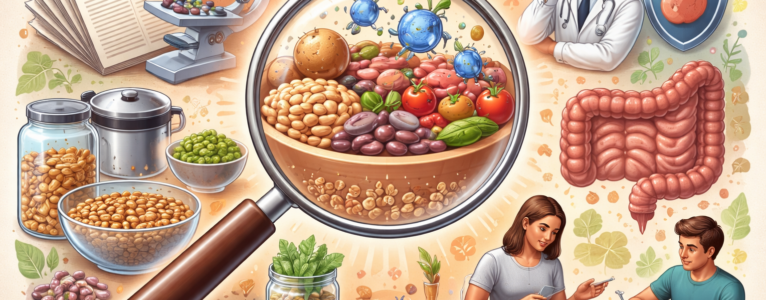
Lectins have become one of the most debated compounds in modern nutrition. Some people say lectins are harmless in small amounts and easily neutralized by cooking.