Freezing and Thawing: Does It Affect Lectins
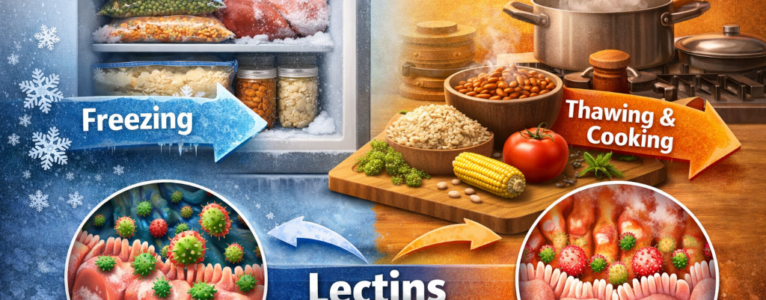
Freezing is one of the most common food preservation methods in the modern world. It is quiet, convenient, and largely invisible once food is tucked away behind a freezer door.

Freezing is one of the most common food preservation methods in the modern world. It is quiet, convenient, and largely invisible once food is tucked away behind a freezer door.
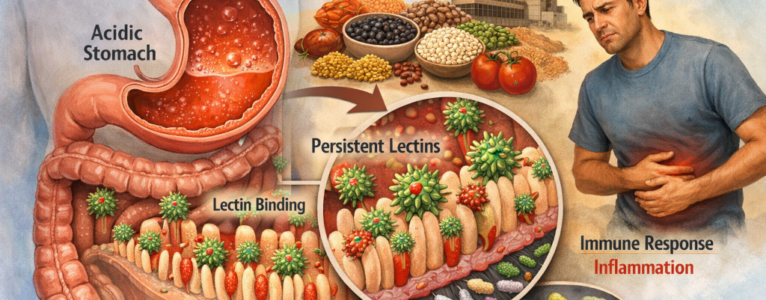
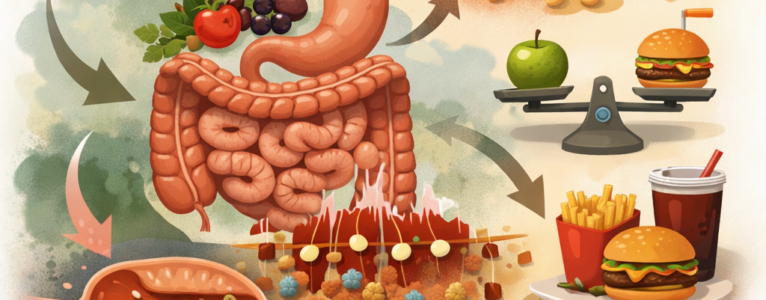
Digestion is often imagined as a powerful, unforgiving process. Food enters the mouth as something recognizable and exits the stomach and intestines as broken-down nutrients, reduced to amino acids, fatty acids, and simple sugars.
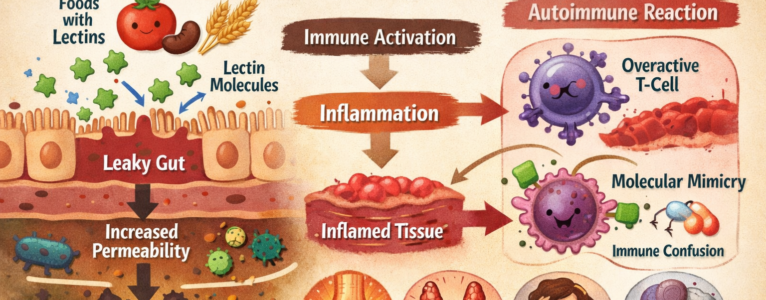
Autoimmune conditions are often described as if they all belong to the same family, sharing a single cause and a single solution. In reality, they behave more like distant relatives who share a surname but live very different lives.
Most people think of sleep and food as two separate pillars of health. You eat during the day. You sleep at night.
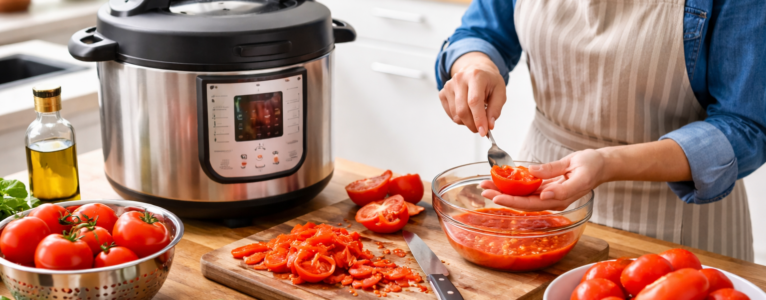
Tomatoes occupy a complicated place in many kitchens. They are central to sauces, soups, stews, and countless comfort foods, yet they also belong to the nightshade family, a group of plants often discussed in relation to lectins and digestive sensitivity.
Many people begin a low-lectin lifestyle because of obvious reactions. Bloating after meals. Joint stiffness the next morning. Brain fog that seems to drift in and out without warning.
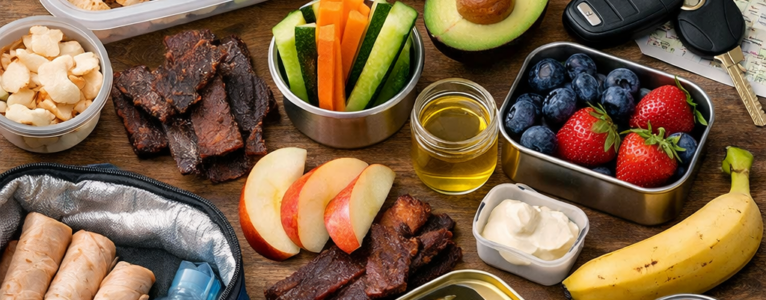
Busy schedules and time away from home are often where good intentions around eating begin to fray. When meetings run long, flights get delayed, or road trips stretch on, snacks tend to become an afterthought grabbed from whatever is closest.
When your body reacts to food, it rarely sends a clear memo explaining why. Instead, it whispers through bloating, fatigue, joint stiffness, skin changes, headaches, or brain fog.
Low-lectin eating often begins with a surge of motivation. The food lists are printed. The pressure cooker moves to the front of the counter. Labels are scrutinized with care that borders on suspicion.
Digestive discomfort is often blamed on what we eat. Ingredients get scrutinized, food groups are eliminated, and preparation methods become central to the conversation.