Travel-Friendly No-Reheat Meals That Keep a Low-Lectin Lifestyle Moving
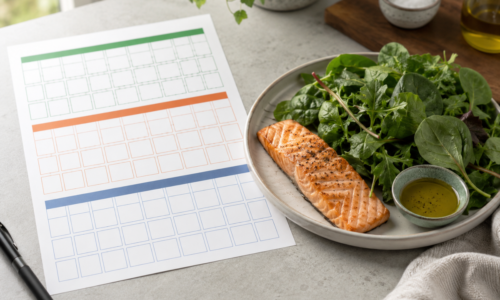
Travel has a habit of exposing every weak spot in a food routine. A delayed flight becomes a bag of chips. A long drive turns into a fast-food stop.

Travel has a habit of exposing every weak spot in a food routine. A delayed flight becomes a bag of chips. A long drive turns into a fast-food stop.
Talking about lectins should be simple. Somehow, it rarely is. Mention them at a dinner table and people may assume you are talking about gluten, pesticides, food allergies, or another ingredient that must be eliminated forever.
The urge to snack all afternoon is often blamed on poor discipline. That explanation is convenient, but it is usually incomplete.
Being the only low-lectin eater in a family can feel awkward at first. Not because the food is impossible. Not because the plan is too complicated. The hard part is the kitchen politics.
A low-lectin lifestyle works best when it becomes less about fear and more about feedback. The body is always giving feedback. Some signals are obvious, like stomach pain after a meal.
Breakfast has a strange way of becoming either too complicated or too repetitive. One person wakes up ready to cook a full skillet meal with herbs, greens, and pasture-raised eggs.
Family summer BBQs have a way of making food feel emotional before the first plate is even filled
Social events can feel easy for everyone else and oddly complicated for the person eating low lectin.
Changing how you eat sounds simple from the outside. You remove a few foods, add a few better ones, learn some new recipes, and move on with your life.
The first 90 days of a low-lectin lifestyle can feel strange because most people expect healing to look like a clean upward climb.
The modern grocery store is built to make people feel like they are making good choices before they ever read an ingredient list. Bright labels, earthy packaging, gentle fonts, and comforting claims work together to create a mood.
Food reactions are rarely as tidy as people want them to be. Most of us imagine a clear cause-and-effect pattern. You eat something, your body reacts, and the guilty food exposes itself within minutes.
Low-lectin eating gets much easier once you stop thinking in single meals. That one shift changes the whole rhythm of the kitchen.
Busy days have a way of exposing every weak spot in a diet plan. A calm low-lectin routine can feel easy on a Sunday afternoon with clean counters, roasted vegetables cooling on a tray, and protein already portioned in the fridge.
Some people remove wheat, beans, peanuts, nightshades, and other high-lectin foods and feel different within days. Their digestion calms down. Their headaches fade. Their joints feel less stiff. Their energy steadies.