Why Calorie Counting Often Fails on Gut-Focused Diets
Calorie counting sounds clean on paper. Eat fewer calories than you burn, lose weight, repeat until satisfied.

Calorie counting sounds clean on paper. Eat fewer calories than you burn, lose weight, repeat until satisfied.
Most people think of digestion as a mechanical process. Food goes in, the stomach breaks it down, nutrients get absorbed, and the rest moves along.
For a long time, gut health was described mostly through symptoms. People talked about bloating, reflux, irregular bowel habits, food reactions, fatigue after meals, or the vague feeling that something was “off.”
The gut does some of its quietest work while the rest of the body is winding down. Long after the last bite of the day, the digestive tract is still sorting, signaling, cleaning, repairing, and preparing for the next cycle of food.
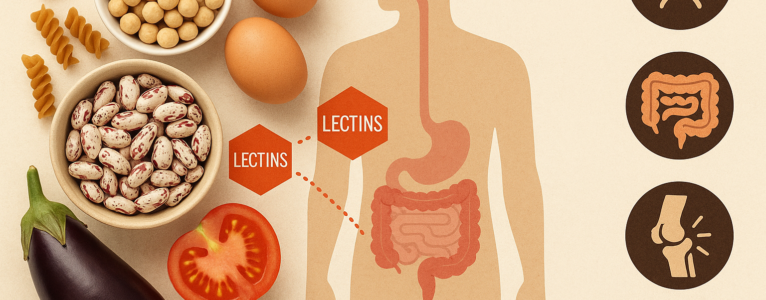
When most people hear the word lectin, they think about food lists. Beans. Grains. Nightshades. Seeds. Maybe they think about pressure cookers, soaking methods, or the debate over whether lectins are misunderstood or dangerous.
Lectins have become one of the more debated food compounds in recent years, not because they suddenly appeared in the human diet, but because people are beginning to notice that these natural proteins don’t affect everyone the same way.