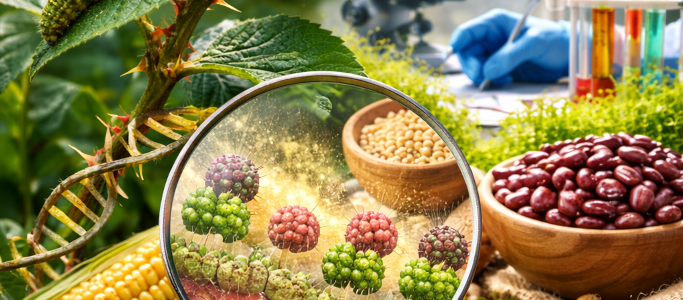
How to Explain Low-Lectin Eating to Friends and Family
Talking about food is rarely just about food. It is about identity, culture, habits, and sometimes defensiveness.

Talking about food is rarely just about food. It is about identity, culture, habits, and sometimes defensiveness.
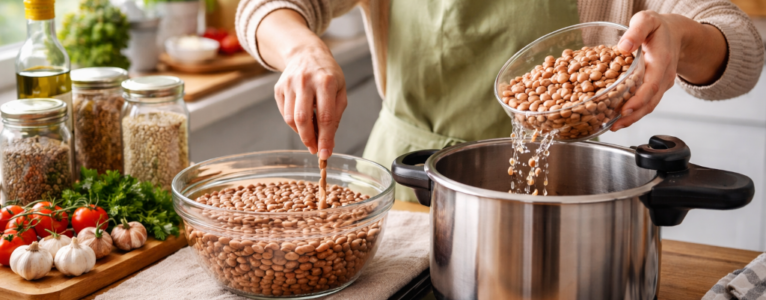
Eating low lectin at home is challenging enough. You control the ingredients, the cooking methods, the soaking time, the pressure cooker, the sourcing.
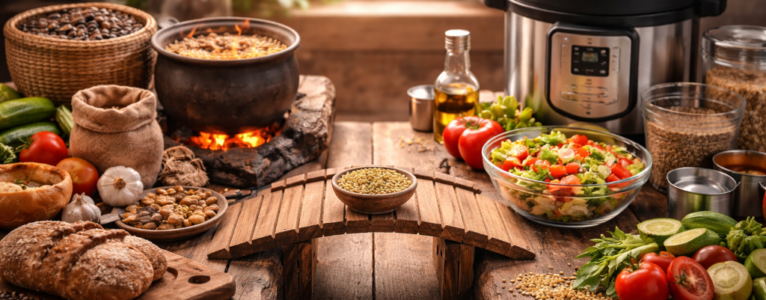
For most of human history, food preparation was not a matter of convenience. It was a matter of survival.
For many people trying to eat healthier, the word organic has become shorthand for safe, clean, and better for the body.
For most people trying to eat better, cooking shortcuts feel like survival tools. Modern life does not leave much room for soaking beans overnight, simmering broths for hours, or carefully peeling and deseeding vegetables after a long workday.
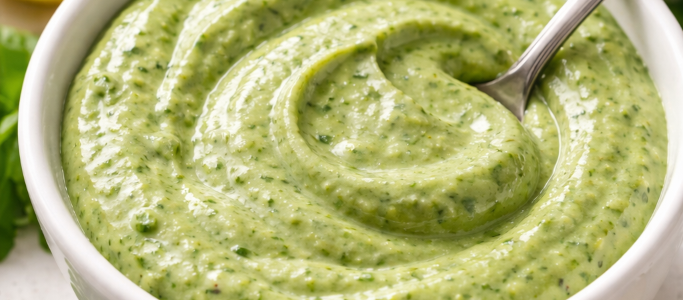
A Simple Green Goddess Dressing Can Tell the Whole Story. Lectins are not new. They’ve been part of the human food story for as long as humans have been eating plants.
This is what a low-lectin chicken & zucchini dish can teach us about digestion, cooking, and everyday health.
For most of human history, food was not something that came shrink-wrapped with an ingredient label or delivered within minutes of tapping a screen.
Long before lectins became a buzzword in modern nutrition, people around the world were already developing ways to live with them.
Most people don’t ruin a low-lectin meal with a bad protein choice or a reckless side dish. They ruin it quietly, one spoonful at a time, with condiments.