
There are certain foods people return to instinctively when they feel run down, inflamed, or simply off. Soup is one of them. Long before anyone talked about gut permeability, immune modulation, or plant defense proteins, people simmered bones, meat, roots, and herbs together and trusted that something restorative would come from the pot. In many ways, soup is one of the oldest forms of nutritional troubleshooting.
When you begin paying attention to lectins, soup takes on a new role. It is no longer just comfort food. It becomes a controlled environment where temperature, ingredients, moisture, and time work together in ways that can either reduce or preserve biologically active plant proteins. The difference between those outcomes matters.
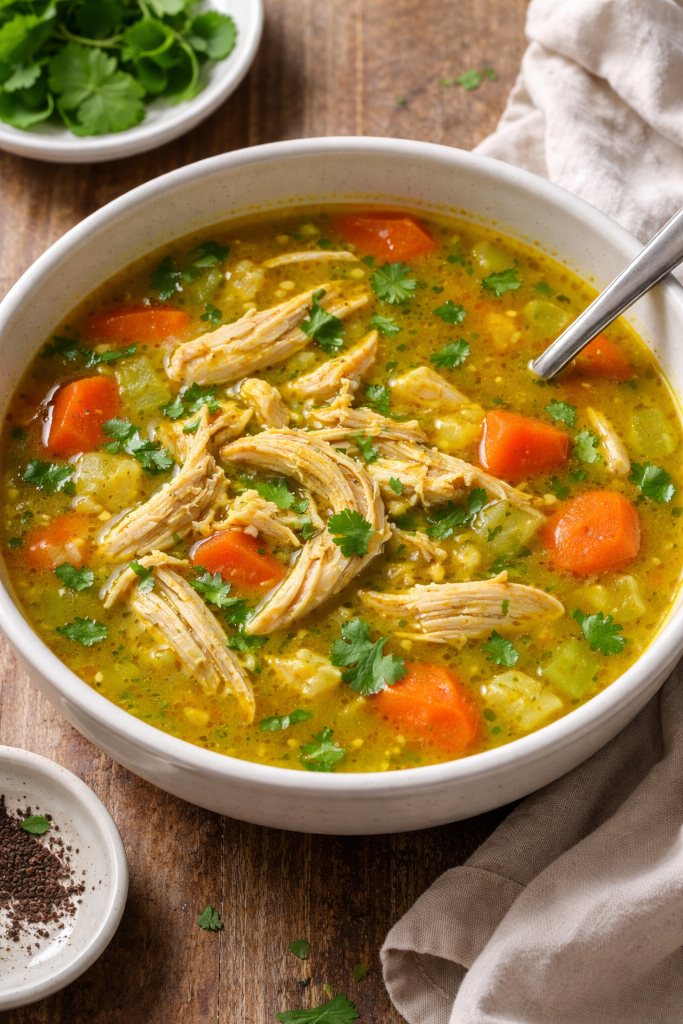
Turmeric chicken soup, when prepared thoughtfully, sits at the intersection of tradition and modern lectin science. It is warm, simple, and familiar, but it also offers a practical example of how lectin-aware cooking can support digestion without drifting into restriction or fear.
This is not about chasing a perfectly lectin-free world. That does not exist. It is about understanding where exposure comes from, how preparation changes biological activity, and how everyday meals can be adjusted to reduce unnecessary digestive stress.
Why Lectins Change the Way Soup Matters
Lectins are proteins made by plants. They evolved as part of a plant’s defense system, not as a response to human nutrition. Their defining feature is their ability to bind to carbohydrates. That binding property allows them to interact with cell surfaces, gut lining structures, and in some cases immune signaling pathways.
What makes lectins complicated is that they are not uniformly harmful, uniformly harmless, or uniformly destroyed by cooking. Some lectins are easily deactivated by sufficient heat and moisture. Others are remarkably resistant. Some are concentrated in seeds and skins, while others are spread throughout plant tissue. Individual tolerance varies widely.
Soup brings several important variables into alignment. First, it uses water. Moist heat is far more effective at denaturing lectins than dry heat alone. Second, it allows for sustained temperature over time. Third, it encourages the use of peeled, deseeded, and well-cooked ingredients rather than raw or lightly processed plant foods.
When those factors are combined intentionally, soup becomes one of the most forgiving and adaptable meals for people experimenting with lectin reduction.
The Role of Turmeric in a Low-Lectin Context
Turmeric often gets framed as a miracle ingredient. That framing does it a disservice. Turmeric is better understood as a tool. Its primary active compound, curcumin, has been studied for its interactions with inflammatory pathways, oxidative stress, and cellular signaling. It is not a cure, but it is biologically active in measurable ways.
From a lectin perspective, turmeric is a low-risk ingredient when used in reasonable culinary amounts. It is a root, not a seed. It is typically dried, powdered, and then heated during cooking. Those factors reduce the likelihood of lectin-related issues while preserving its flavor and functional compounds.
Turmeric also pairs well with fats and long cooking times, both of which improve curcumin availability. In soup, especially one made with chicken fat or added olive oil, turmeric becomes more than a colorant. It becomes part of the broader digestive picture.
Chicken Soup as a Digestive Reset
Chicken is not lectin-free because it is animal-based. Lectins come from plants, not animals. The value of chicken in this context is structural. It provides protein, amino acids like glycine and proline, and fats that support satiety and blood sugar stability. When bones are included, it also contributes collagen and minerals that support gut lining integrity.
In many traditional cuisines, chicken soup was used during illness or recovery not because it was bland, but because it was gentle. Gentleness is an underappreciated concept in modern nutrition. Foods that require less digestive effort often allow the gut to recalibrate rather than constantly react.
For people exploring a low-lectin lifestyle, that recalibration period is often where clarity emerges. Symptoms that once felt vague or inconsistent become easier to interpret when the background noise is reduced.
Ingredient Selection Matters More Than Labels
A soup can technically avoid high-lectin ingredients and still cause issues if preparation is careless. The opposite is also true. Thoughtful preparation can make borderline ingredients tolerable. In this recipe, the focus is on ingredients that are naturally low in lectins, commonly well tolerated, and improved by cooking.
Vegetables are peeled where appropriate. Aromatics are softened rather than left raw. No legumes, grains, or nightshades are included. Spices are used in amounts that complement the dish rather than dominate it. This is not minimalism for its own sake. It is intentional simplicity.
Cooking Method and Lectin Reduction
Heat matters, but how heat is applied matters more. Low temperatures held for long periods can preserve lectin activity. Dry heat can reduce lectins unevenly. Moist heat at sufficient temperature, especially under pressure, is consistently more effective at denaturing protein structures.
This recipe is written for pressure cooking because pressure cooking reliably reaches temperatures above the boiling point of water while maintaining moisture. That combination is one of the most effective household methods for reducing lectin activity in plant foods. If a pressure cooker is not available, a long, steady simmer can still work, but the margin for error is wider.
Low-Lectin Turmeric Chicken Soup
Ingredients
- Bone-in chicken thighs or a whole cut-up chicken
- Filtered water or homemade low-lectin broth
- Yellow onion, peeled and chopped
- Garlic cloves, peeled and crushed
- Fresh ginger, peeled and sliced
- Ground turmeric or freshly grated turmeric root
- Sea salt
- Black pepper in small amounts
- Olive oil or chicken fat
- Optional additions include peeled carrots or celery for those who tolerate them well

Instructions
- Begin by preparing the vegetables carefully. Peel the onion completely. Remove any papery layers. Peel the ginger thoroughly. If using carrots or celery, peel them to reduce surface compounds.
- Place the chicken in the pressure cooker and cover with water or broth. Add the prepared vegetables, turmeric, and a small amount of salt. Do not add pepper yet.
- Seal the pressure cooker and bring it to full pressure. Cook for at least 30 minutes for thighs or 45 minutes for a whole chicken. This duration ensures both protein breakdown and adequate exposure of plant components to moist heat.
- Allow the pressure to release naturally. This slow release continues the cooking process gently and helps preserve texture.
- Once open, remove the chicken, shred the meat, and discard skin and bones if desired. Return the meat to the pot. Add olive oil or reserved chicken fat and adjust salt to taste. Add black pepper sparingly if tolerated.
- Simmer uncovered for another 10 to 15 minutes to allow flavors to integrate.
Why This Works
Pressure cooking disrupts lectin structures more effectively than low-temperature methods. Peeling reduces exposure to surface compounds where lectins are often concentrated. The absence of legumes, grains, and nightshades lowers total lectin load without sacrificing flavor or nourishment.
Turmeric provides functional support without relying on raw plant compounds. Fat enhances absorption. Salt supports digestion and electrolyte balance. This is not a detox. It is a recalibration meal.
How This Soup Fits Into a Low-Lectin Lifestyle
No single meal fixes digestive issues. What it can do is create a pause. A pause allows the body to respond rather than react. People often report that after a few days of meals like this, patterns become clearer. Certain foods stand out as problematic. Others quietly reintegrate without issue. That information is more valuable than rigid rules.
This soup works well during transitions. It works after travel. It works during illness. It works when appetite is low but nourishment is still needed. It is also repeatable, which matters more than novelty when building sustainable habits.
Listening to the Body Without Chasing Perfection
One of the traps people fall into when learning about lectins is the idea that less is always better. Biology does not work that way. Stress, anxiety, and restriction have physiological costs of their own.
A meal like turmeric chicken soup offers a grounded middle path. It reduces known triggers. It supports digestion. It does not demand purity. Over time, meals like this help people reconnect with hunger, satiety, and tolerance signals that often get lost in modern eating patterns.
A Return to Practical Food Wisdom
There is nothing trendy about soup. That is part of its power. When modern nutrition science intersects with traditional preparation methods, the result is often less dramatic than expected. No superfoods. No hacks. Just thoughtful choices repeated consistently.
Lectin-aware cooking does not require fear. It requires understanding. It requires patience. And sometimes, it requires a warm bowl of soup that asks very little of the digestive system while offering a lot in return. Turmeric chicken soup is not a solution to everything. It is a tool. Used well, it can support the body while you learn how your own system responds to the wider food landscape. That learning process is the heart of living low-lectin.