When most people begin exploring a low lectin lifestyle, they expect to give up obvious foods like beans or undercooked legumes. What surprises them is how often wheat quietly anchors their daily meals. Sandwiches, wraps, tortillas, flatbreads, pizza crusts. Wheat is woven into modern convenience. For lectin sensitive individuals, that daily exposure can matter.
Crispy cassava flour tortillas offer something both practical and symbolic. Practical because they replace a staple that many people miss. Symbolic because they represent a shift away from relying on modern grain dominance and toward foods that may be easier for some digestive systems to handle.
This article is not about fear of food. It is about understanding how lectins function, how preparation matters, and why cassava flour can serve as a helpful alternative for people who suspect certain grains are not working well for them.
Understanding Lectins in Everyday Foods
Lectins are a type of carbohydrate binding protein found in plants. They are part of a plant’s natural defense system. In nature, they help protect seeds and roots from insects, fungi, and animals. In the human diet, they are most concentrated in legumes, certain grains, nightshades, and some seeds.
One of the most studied plant lectins is wheat germ agglutinin, often abbreviated as WGA. It is found in wheat and can survive certain forms of processing. Research suggests that some lectins resist digestion and may interact with the lining of the gut in sensitive individuals.
In most healthy people with resilient digestion, normal cooking reduces lectin activity significantly. Pressure cooking in particular has been shown to dramatically lower lectin content in beans. However, not all lectins respond equally to all cooking methods. Dry heat, for example, is less effective at deactivating certain lectins than moist heat under pressure.
For people who experience digestive discomfort, bloating, joint pain, skin reactions, or other symptoms that appear linked to grain consumption, experimenting with alternatives can provide clarity. Not everyone reacts the same way, but enough people report improvements that it is worth exploring thoughtfully and scientifically.
Why Wheat Tortillas Can Be Problematic for Some
Traditional tortillas are typically made from wheat flour or from corn treated through nixtamalization. Wheat tortillas contain gluten and wheat germ agglutinin. For individuals with celiac disease, gluten triggers a well documented autoimmune response. For others, sensitivity may not meet clinical criteria for celiac disease yet still produce discomfort.
Corn tortillas are a different story. Nixtamalization reduces certain anti nutrients and improves mineral availability. It can also reduce some lectin activity. Yet some people remain sensitive to corn proteins and certain lectins present in maize. This is where cassava flour enters the conversation.
What Is Cassava Flour?
Cassava flour is made from the whole root of the cassava plant, also known as yuca or manioc. The plant is native to South America and is now widely cultivated in Africa and parts of Asia. It has served as a staple for hundreds of millions of people for centuries.
Unlike tapioca starch, which is a refined extract of cassava, cassava flour uses the whole peeled root. It contains resistant starch, fiber, and carbohydrates but no gluten and significantly fewer problematic lectins compared to many grains and legumes.
Raw cassava does contain naturally occurring compounds called cyanogenic glycosides. Traditional preparation methods such as peeling, soaking, fermenting, and thorough cooking are essential for safety. Commercial cassava flour undergoes processing that removes these compounds, making it safe for baking and cooking when used as directed.
From a lectin perspective, cassava root is considered low compared to wheat, beans, and many legumes. That does not mean it is universally tolerated, but many lectin sensitive individuals find it gentler.
Why Cassava Flour Works Well for Tortillas
One of the challenges of alternative flours is texture. Coconut flour absorbs large amounts of liquid and can become crumbly. Almond flour lacks elasticity. Many gluten free blends rely on gums or starches to mimic structure. Cassava flour behaves differently. It is finely milled and has a neutral flavor. When hydrated properly, it becomes pliable and flexible. That quality makes it ideal for tortillas that can bend without cracking.
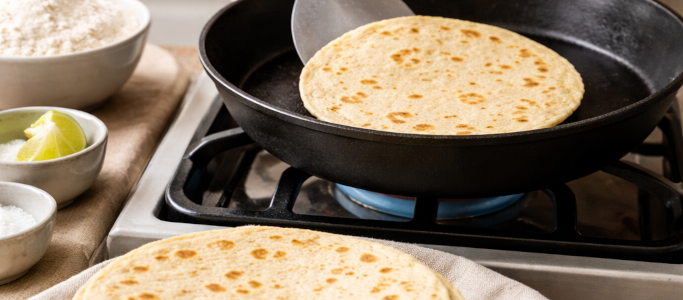
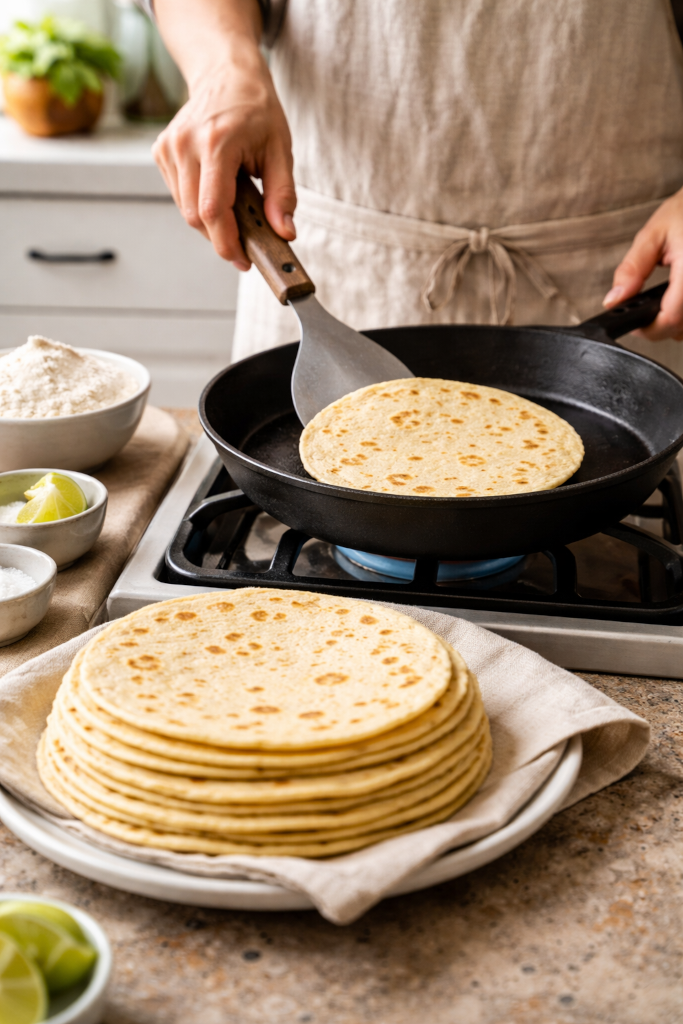
When cooked in a hot skillet with a small amount of oil, cassava tortillas develop a lightly crisp exterior while staying tender inside. The result is sturdy enough for tacos yet light enough for wraps. For people transitioning away from wheat, this familiarity can make dietary change feel sustainable rather than restrictive.
The Science Behind the Swap
Modern lectin research continues to explore how plant proteins interact with the human gut. Some lectins can bind to glycoproteins on the surface of intestinal cells. In laboratory settings, certain lectins have been shown to affect gut permeability. However, context matters. Dose, preparation method, and individual variability all influence outcomes.
It is important to emphasize that lectins are not universally harmful. Many lectin containing foods, when properly prepared, are part of healthy traditional diets. Beans that are soaked and pressure cooked are not the same as raw or undercooked beans. Fermented soy is not equivalent to unprocessed soy flour.
The low lectin approach is not about eliminating entire plant families indiscriminately. It is about observing patterns. If a person consistently experiences symptoms after eating wheat products but feels better when using alternatives like cassava, that observation is meaningful. Cassava flour provides carbohydrates without gluten and with a lower lectin profile compared to wheat. For some, that reduction is enough to calm digestive irritation.
Crispy Cassava Flour Tortillas
Ingredients
- 1 cup cassava flour
- 1 tablespoon olive oil or avocado oil
- 1 quarter teaspoon sea salt
- About 3 quarters cup warm water, added gradually
- Extra oil for cooking
Instructions
- In a mixing bowl, combine cassava flour and salt.
- Add the oil and mix until the flour looks slightly crumbly.
- Gradually add warm water while stirring. The dough should become soft and pliable but not sticky. You may not need all the water.
- Let the dough rest for 5 to 10 minutes. This allows hydration and improves flexibility.
- Divide into 6 to 8 equal portions. Roll each into a ball.
- Place a ball between two sheets of parchment paper and press or roll into a thin circle. Aim for about one eighth inch thick.
- Heat a skillet over medium heat and lightly coat with oil.
- Cook each tortilla for about 1 to 2 minutes per side until light brown spots appear. For extra crispness, cook slightly longer or press gently with a spatula.
- Transfer to a plate and keep covered with a clean towel until serving.
- To make them extra crispy for tostadas or chips, brush lightly with oil and return to the skillet or bake in a 375 degree oven for several minutes until crisp.
What Lectin Sensitive Individuals Often Notice
People who experiment with cassava tortillas instead of wheat frequently report several patterns:
- They feel less bloated after meals.
- Energy levels feel more stable, especially when the tortillas are paired with protein and healthy fats.
- Joint stiffness or brain fog that sometimes followed grain heavy meals may lessen.
These observations are anecdotal but consistent across many personal accounts. From a physiological standpoint, reducing exposure to specific lectins and gluten may lower immune activation in susceptible individuals. That reduction can translate into fewer inflammatory signals.
It is not magic. It is pattern recognition.
Blood Sugar Considerations
Cassava flour is primarily carbohydrate. It is not low carb. Resistant starch content can provide some benefits for gut bacteria, particularly when the tortillas cool and are reheated. However, portion size still matters.
Pairing cassava tortillas with fiber rich vegetables, high quality proteins, and healthy fats slows glucose absorption. This supports steadier blood sugar levels. For individuals tracking metabolic health, the tortilla itself is only one piece of the meal.
Digestive Adaptation and Realistic Expectations
Switching to cassava flour does not automatically fix digestive issues. The gut is complex. Stress, sleep, hydration, and overall diet quality all influence how food is tolerated. Lectin sensitivity may overlap with other factors such as small intestinal bacterial overgrowth, low stomach acid, or enzyme deficiencies. It is wise to approach dietary changes as experiments rather than permanent dogma.
Try replacing wheat tortillas with cassava tortillas for two to three weeks. Keep other variables stable. Observe symptoms. That method provides more meaningful data than changing everything at once.
A Broader View of Low Lectin Living
A low lectin approach is often misunderstood as restrictive. In practice, it is about preparation and awareness. Pressure cooking beans, peeling and deseeding certain vegetables, fermenting foods, and choosing alternative flours are all strategies that reduce potential irritants without abandoning plant diversity.
Cassava flour tortillas fit into that broader philosophy. They are not a declaration that grains are universally bad. They are a tool. For someone who feels better without wheat, having a crispy, flexible tortilla option restores variety. It allows taco night to continue. It keeps social meals enjoyable. Food is cultural. It is emotional. Sustainable change must honor that.
Final Thoughts
Crispy cassava flour tortillas represent more than a gluten free substitute. They illustrate how small adjustments can align modern eating with individual physiology. Lectins are part of the plant world. They are not villains, but they are biologically active compounds. For most people, proper cooking neutralizes much of their impact. For others, reducing exposure can bring noticeable relief.
If you suspect wheat is not serving you well, cassava flour offers a simple experiment. It requires no laboratory testing, only observation and consistency. In the end, living low lectin is less about elimination and more about listening. The tortilla in your hand can be a small but meaningful step toward that awareness.