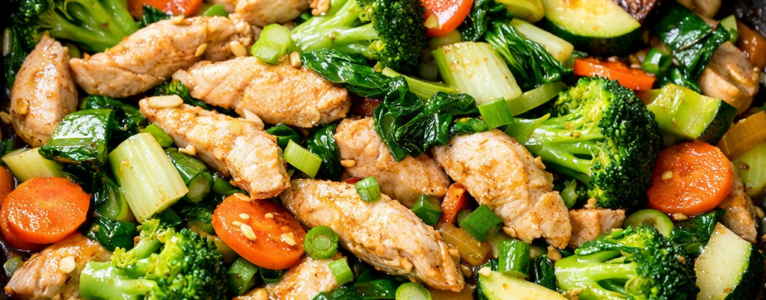

There is something almost universal about a stir-fry. It is fast, colorful, aromatic, and deeply comforting. A hot pan, fresh vegetables, a savory sauce, and a protein of choice. It feels wholesome and practical at the same time. Yet for many people who begin exploring how lectins affect digestion, inflammation, and immune signaling, stir-fry becomes one of those meals that quietly stops feeling good.
The irony is that stir-fry is often considered a healthy choice. It is vegetable-forward. It is home cooked. It is flexible. But when you look closely at common ingredients, you start to see potential friction points. Conventional soy sauce made from soybeans and wheat. Peppers and snow peas tossed in quickly without proper preparation. Cashews or peanuts added for crunch. Even certain oils heated beyond their stability range.
None of these ingredients are inherently evil. Lectins are naturally occurring proteins in plants. They evolved as part of a plant’s defense system. The issue is not that lectins exist. The issue is how much we consume, how they are prepared, and how sensitive an individual may be.
A lectin-aware stir-fry is not about fear. It is about refinement. It is about understanding what modern research suggests and making small, practical adjustments that support digestion and long-term metabolic resilience.
Understanding Lectins in Everyday Cooking
Lectins are carbohydrate-binding proteins found in many plant foods, especially legumes, grains, nightshades, and seeds. In their raw or undercooked form, certain lectins can bind to the lining of the gut. In laboratory settings and animal models, some lectins have been shown to influence gut permeability and immune signaling pathways.
The most studied example is phytohaemagglutinin in raw kidney beans. When beans are not cooked properly, this lectin can cause acute digestive distress. Fortunately, proper soaking and boiling or pressure cooking dramatically reduces its activity. This is an important principle. Lectins are often reduced through traditional preparation methods.
The challenge in modern food culture is speed. Quick sautés, lightly cooked vegetables, convenience sauces, and hybrid processed ingredients have replaced slower, more deliberate techniques. While this works fine for many people, others notice bloating, joint discomfort, fatigue, or fluctuating energy levels.
A stir-fry brings these issues into focus because it is typically cooked quickly at high heat. That is excellent for texture and flavor. It may not be ideal for certain lectin-rich ingredients that benefit from soaking, peeling, deseeding, or pressure cooking first.
The Subtle Role of Soy and Wheat
One of the most common stir-fry ingredients is soy sauce. Traditional soy sauce is brewed from soybeans and wheat. Soybeans are legumes, and like most legumes, they contain lectins. Fermentation reduces some lectin content, but it does not eliminate all plant defense compounds. Wheat also contains lectins, including wheat germ agglutinin, which has been studied for its ability to interact with intestinal cells in laboratory conditions.
For individuals who tolerate soy and wheat well, this may not be an issue. For others, especially those already navigating digestive or autoimmune challenges, these ingredients can compound stress on the gut lining.
Coconut aminos offer an alternative. Made from fermented coconut sap, they provide a similar savory, umami depth without soy or wheat. They are not lectin free in a strict biochemical sense, since nearly all plant foods contain some lectins. However, they are significantly lower in the specific lectins associated with soy and wheat. This swap alone transforms the lectin profile of a stir-fry.
Vegetables: Not All Prep Is Equal
Vegetables are often celebrated without nuance. They are labeled as universally beneficial. And in most cases, they are. But certain vegetables contain higher concentrations of lectins, especially in skins and seeds.
Nightshades such as bell peppers and tomatoes are common in stir-fries. For people sensitive to nightshades, peeling and deseeding can reduce exposure to some plant defense compounds. Zucchini is another example. While generally well tolerated, removing the seeds and skin may help individuals who are particularly sensitive.
Cruciferous vegetables like broccoli and bok choy contain different types of compounds, including glucosinolates, which can support detoxification pathways when properly cooked. Light steaming before adding them to a stir-fry can make them easier to digest while preserving nutrients.
The goal is not to strip vegetables of their value. It is to respect preparation. Many traditional cuisines soaked, fermented, peeled, or slow-cooked plant foods for a reason. Those practices were developed through experience long before molecular biology confirmed why they mattered.
Protein Choices and Their Context
A lectin-safe stir-fry also benefits from thoughtful protein selection. Animal proteins such as chicken, shrimp, beef, or eggs do not contain plant lectins. However, how they are sourced and cooked still matters for overall health.
Grass-fed or pasture-raised options can provide a more favorable fatty acid profile. Cooking at moderate temperatures prevents the formation of excessive advanced glycation end products, which are associated with oxidative stress. If plant proteins are preferred, properly pressure-cooked lentils or peeled split mung beans may be better tolerated than quick-cooked tofu or undercooked legumes. Again, preparation changes everything.
The Oil Factor
High heat cooking demands stable fats. Many conventional vegetable oils oxidize at stir-fry temperatures. Oxidized oils contribute to inflammation independent of lectins.
Avocado oil and refined coconut oil have higher smoke points and greater stability. They are better suited for high heat applications. Extra virgin olive oil can work if heat is kept moderate, but it is generally more stable for low to medium cooking or finishing. A stir-fry should nourish, not create oxidative stress.
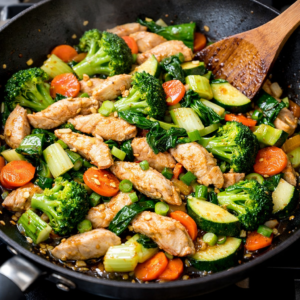
Stir-Fry with Coconut Aminos (Low-Lectin)
Ingredients
- 1 pound pasture-raised chicken breast or thighs, sliced thin
- 2 tablespoons avocado oil
- 1 cup broccoli florets, lightly steamed
- 1 cup bok choy, chopped
- 1 medium zucchini, peeled and deseeded, sliced
- 1 carrot, thinly sliced
- 2 cloves garlic, minced
- 1 tablespoon fresh grated ginger
- 3 tablespoons coconut aminos
- 1 teaspoon rice vinegar
- 1 teaspoon toasted sesame oil
- Sea salt to taste
- Optional: sliced green onion tops for garnish
Instructions
- Begin by lightly steaming the broccoli for two to three minutes. This softens fibers and improves digestibility without turning it mushy.
- Heat avocado oil in a large skillet or wok over medium-high heat. Add the chicken and cook until lightly browned and cooked through. Remove and set aside.
- Lower heat slightly. Add garlic and ginger, stirring briefly to release aroma. Add zucchini, carrot, and bok choy. Stir-fry for several minutes until just tender.
- Return chicken to the pan. Add steamed broccoli. Pour in coconut aminos and rice vinegar. Stir to coat evenly. Finish with toasted sesame oil and adjust salt as needed.
- Serve over cauliflower rice or alongside pressure-cooked white rice if tolerated.
Why This Version Feels Different
Many people report that when they shift to recipes like this, they feel less heavy after eating. There is often less bloating and more stable energy. While anecdotal experiences vary, these responses align with several scientific observations.
Proper cooking reduces active lectin content in many vegetables. Removing skins and seeds lowers exposure further. Avoiding soy and wheat eliminates specific lectins that have been studied for their gut-binding potential. Choosing stable oils reduces inflammatory byproducts. It is not one dramatic change. It is a series of small adjustments that collectively reduce stress on the digestive system.
Lectins, Inflammation, and Context
Modern lectin research is nuanced. Some lectins have been studied for their potential to stimulate immune cells in laboratory conditions. Others are being explored for possible therapeutic roles, including in cancer research, due to their cell-binding specificity.
This dual nature is important. Lectins are not villains. They are biologically active proteins. In certain contexts, they may contribute to gut irritation or immune activation, especially in individuals with compromised gut barriers. In other contexts, they may have neutral or even beneficial effects.
Human tolerance varies widely. Genetics, microbiome diversity, stress levels, sleep quality, and cumulative dietary load all influence how someone responds. That is why lifestyle matters alongside diet. Sleep supports gut repair. Movement enhances insulin sensitivity and circulation. Stress management reduces inflammatory signaling. A lectin-aware lifestyle is not just about removing ingredients. It is about building resilience.
Bridging Tradition and Modern Science
When you look back at traditional cuisines, you see soaking, fermenting, sprouting, and slow cooking everywhere. Beans were rarely eaten raw. Grains were often fermented into sourdough. Nightshades were peeled and cooked thoroughly.
Modern life compressed those steps. We traded time for convenience. In doing so, we may have increased exposure to certain plant defense compounds without realizing it. A lectin-safe stir-fry is a small act of restoration. It honors speed and flavor while integrating what current research suggests about plant proteins and digestion.
Personalization Over Perfection
Not everyone needs to avoid soy sauce or peel zucchini. Some people tolerate a wide range of foods without issue. Others benefit dramatically from small reductions in lectin exposure.
The most sustainable approach is experimentation with awareness. Try the coconut aminos version for two weeks. Notice digestion, energy, joint comfort, or skin changes. Keep a simple journal. Adjust based on observation rather than ideology. Nutrition science continues to evolve. The goal is not rigidity. It is informed choice.
The Quiet Power of a Simple Meal
A stir-fry may seem like an ordinary dinner. But it represents something larger. It reflects how we relate to food in an age of abundance and speed. When you choose stable oils, properly prepared vegetables, and thoughtful substitutions, you are not just changing ingredients. You are shifting from autopilot to intention. That shift does not require a biochemistry degree. It requires curiosity and a willingness to test what works for your own body.
Lectins are part of the human food story. They always have been. The difference now is that we understand more about how they interact with our biology. With that knowledge comes the opportunity to cook smarter, not stricter. A lectin-safe stir-fry with coconut aminos is not a trend. It is a practical example of how science, tradition, and everyday cooking can meet in the same pan.
And sometimes, that is where meaningful health changes begin.