Rethinking Chickpeas Through a Low-Lectin Lens
Curry is one of those meals that feels universal. It is warm, layered, fragrant, and deeply comforting. For many people, chickpea curry is a staple. Chickpeas are affordable, filling, and widely considered healthy. They are rich in fiber, plant protein, and minerals. In most nutrition conversations, they are praised without hesitation. Yet for some people, chickpeas are not so simple.
In Living Low-Lectin, I talk about how lectins are part of the natural defense system of plants. They are proteins that bind to carbohydrates. In the wild, that binding ability can discourage insects and predators from eating seeds. In the human digestive tract, that same binding capacity can interact with the gut lining. In most people, properly cooked legumes are tolerated well. In others, especially those with existing gut sensitivity, autoimmune conditions, or unexplained digestive distress, lectins may contribute to symptoms.
This is where nuance matters. Lectins are not villains. They are not poison in the dramatic sense that social media sometimes suggests. But they are biologically active proteins. Some lectins are heat-sensitive and largely deactivated with proper cooking. Others are more resistant and require specific preparation methods such as soaking, fermenting, sprouting, or pressure cooking.
Chickpeas contain several lectins, including phytohemagglutinin-like proteins and other carbohydrate-binding compounds. Research has shown that inadequate cooking of legumes can leave enough active lectin to cause digestive upset. That is one reason why traditional food cultures almost always soaked and thoroughly cooked beans. But what happens when someone has done everything “right” and still feels unwell? That is where a legume-free curry becomes more than a recipe. It becomes a tool.
What Modern Research Actually Says About Lectins
Over the past decade, research into gut permeability and intestinal barrier function has expanded. The intestinal lining is made of a single layer of cells joined together by structures called tight junctions. These junctions regulate what passes from the gut into the bloodstream. They are dynamic and responsive to stress, infection, inflammation, and diet.
Some lectins have been shown in laboratory settings to bind to epithelial cells in the gut. Wheat germ agglutinin is one of the most studied examples. Certain bean lectins, including those found in red kidney beans, can resist digestion if undercooked and may irritate the gut lining in high amounts.
However, it is important to emphasize scale and context. Most studies demonstrating strong lectin effects use isolated lectins in controlled conditions, often at concentrations higher than what is typically consumed in a well-prepared meal. Proper cooking dramatically reduces lectin activity in most legumes.
Pressure cooking, in particular, has been shown to be highly effective at reducing lectin content. High temperature and moisture disrupt the protein structure, limiting its ability to bind to cells.
Even so, there is individual variability. Some people report persistent bloating, joint pain, fatigue, or skin flare-ups when consuming legumes, even when prepared correctly. In people with compromised gut integrity, the immune system may react more strongly to certain dietary proteins.
This is not about fear. It is about experimentation and pattern recognition. If removing legumes for a period of time reduces symptoms, that information is valuable. And if someone misses chickpea curry, we adapt.
Why a Chickpea Substitute Matters
Food is never just fuel. It is culture, memory, and comfort. When someone transitions to a low-lectin lifestyle, one of the hardest parts is not the science. It is the feeling of exclusion. The goal of a low-lectin approach is not restriction for its own sake. It is to reduce the burden on the gut while supporting overall health. That means focusing on foods that are nutrient-dense, well-tolerated, and prepared in ways that reduce anti-nutrient load.
In place of chickpeas, we can use vegetables that provide texture and substance without the lectin profile of legumes. Cauliflower, peeled and pressure-cooked, works beautifully. So do mushrooms. Both absorb spices well. Both provide fiber. Neither carries the same lectin concentration as beans.
Pressure cooking vegetables is not always necessary from a lectin standpoint, but it can improve digestibility, especially for people in the early stages of gut healing. The result is not a compromise. It is a reimagining.
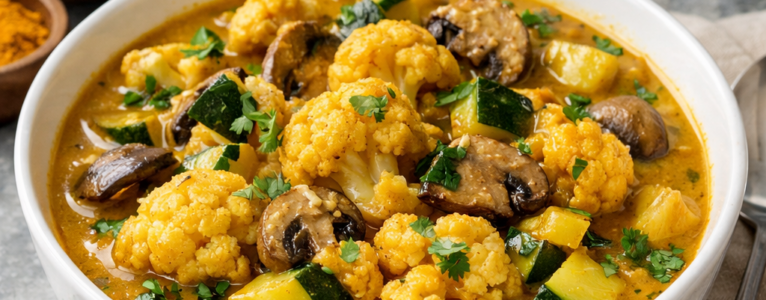
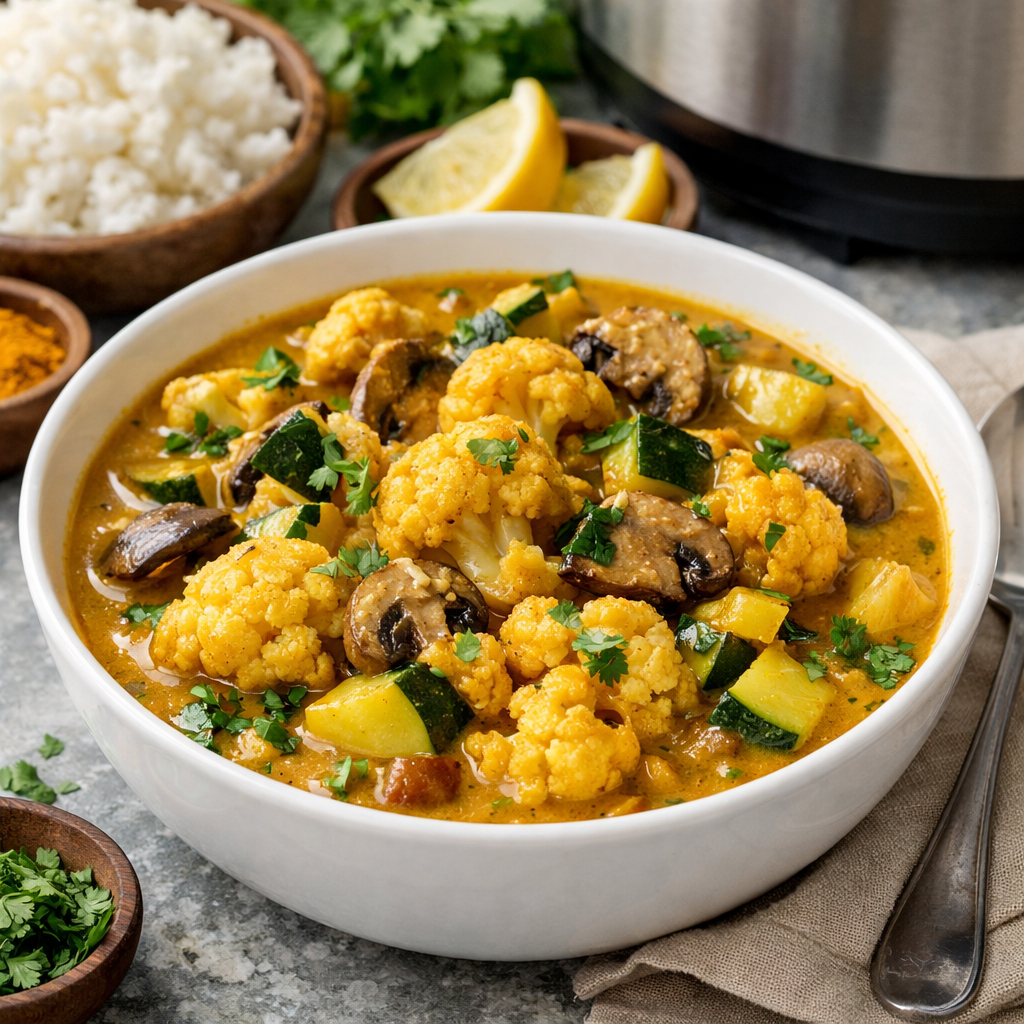
Comfort Curry with Cauliflower and Zuccini (Low Lectin)
Ingredients
- 1 large head of cauliflower, cut into small florets
- 1 cup chopped cremini or white mushrooms
- 1 tablespoon avocado oil or olive oil
- 1 small onion, finely diced
- 2 cloves garlic, minced
- 1 tablespoon freshly grated ginger
- 1 tablespoon curry powder
- 1 teaspoon ground turmeric
- 1 teaspoon ground cumin
- 1 teaspoon ground coriander
- 1 cup full-fat coconut milk
- 1 cup low-sodium vegetable broth
- 1 cup chopped peeled zucchini
- Sea salt to taste
- Fresh cilantro for garnish
- Optional: squeeze of fresh lemon juice
Instructions
- Set your pressure cooker to sauté mode. Add the oil and diced onion. Cook until soft and translucent, about 5 minutes.
- Add garlic and ginger. Stir for 30 seconds until fragrant.
- Add curry powder, turmeric, cumin, and coriander. Stir to coat the onions and allow the spices to bloom.
- Add cauliflower florets, mushrooms, and zucchini. Stir well.
- Pour in coconut milk and vegetable broth. Season lightly with sea salt.
- Seal the pressure cooker and cook on high pressure for 5 minutes.
- Allow a natural release for 5 minutes, then carefully vent the remaining pressure.
- Taste and adjust seasoning. Add a squeeze of lemon if desired.
- Garnish with fresh cilantro and serve over cauliflower rice or a small portion of pressure-cooked white rice if tolerated.
This dish provides the richness and spice profile people expect from chickpea curry. The cauliflower softens and absorbs flavor. The mushrooms add umami depth. Coconut milk provides healthy fats that support satiety and help balance blood sugar response.
The Science Behind the Swap
Replacing chickpeas with cauliflower and mushrooms does more than remove lectins. It shifts the macronutrient profile. Chickpeas are higher in starch and fermentable carbohydrates. For some people, especially those with small intestinal bacterial overgrowth or general bloating, fermentable fibers can exacerbate symptoms.
Cauliflower does contain fermentable fibers as well, but in a different structure and often in lower amounts per serving when used in place of a full cup of legumes. Pressure cooking further softens fiber and may improve tolerance.
Mushrooms contain beta-glucans, which have been studied for immune-modulating properties. Coconut milk provides medium-chain triglycerides that are metabolized differently from long-chain fats and may support energy levels. None of these ingredients are magical. They are simply alternatives that, when combined, create a dish that is easier on the gut for many people.
Cooking Methods Matter More Than Labels
One of the most overlooked aspects of lectin discussions is preparation. The same food can have very different biological effects depending on how it is processed. Soaking beans reduces certain anti-nutrients. Fermentation changes protein structure. Sprouting alters enzyme inhibitors. Pressure cooking significantly reduces lectin activity compared to slow cooking at lower temperatures.
This is why traditional cuisines evolved the way they did. Food preparation was not random. It was refined through experience. In a modern world of canned convenience and rushed dinners, those steps are often skipped. That does not mean legumes are inherently harmful. It means context matters.
If someone chooses to reintroduce chickpeas after a period of elimination, pressure cooking dried chickpeas after soaking them overnight is far preferable to undercooked or lightly simmered versions. But for those who still feel better without them, recipes like this curry offer a bridge.
Listening to the Body Without Fear
A low-lectin lifestyle is not about demonizing food. It is about observing patterns. If someone eats a meal and feels energized, clear-headed, and comfortable, that meal is likely working for them. If they experience bloating, joint stiffness, skin irritation, or brain fog repeatedly after certain foods, that pattern deserves attention.
Modern research supports the idea that the gut barrier plays a central role in immune regulation. It is not solely about lectins. It is about the cumulative load of stress, processed foods, alcohol, sleep deprivation, infections, and inflammatory triggers.
Reducing lectin exposure can be one piece of a broader strategy that includes:
- Prioritizing sleep
- Managing stress
- Choosing whole foods
- Cooking thoroughly
- Paying attention to individual tolerance
The curry in this article is simple. But simplicity can be powerful.
When someone realizes they can enjoy the flavors they love without the digestive consequences they dread, confidence builds. Confidence leads to consistency. Consistency leads to long-term change.
A Meal as a Message
There is something symbolic about a legume-free chickpea curry. It represents adaptation rather than deprivation. It reflects the idea that health is not about rigid ideology but about informed choice. In Living Low-Lectin, the focus is not on creating a narrow list of allowed foods. It is about understanding how modern food systems have changed and how preparation techniques can restore balance.
Lectins are part of the story, not the entire story. They are one variable in a complex system. For some people, they are a non-issue. For others, they are a meaningful trigger. The only way to know is to experiment thoughtfully. If removing chickpeas for a few weeks and replacing them with a pressure-cooked vegetable curry leads to better digestion, improved energy, and clearer skin, that is data. Personal data. And personal data matters.
Bringing It Back to the Table
Food should not feel like a battleground. It should feel like nourishment. A bowl of warm curry, fragrant with spices and creamy from coconut milk, can be both healing and satisfying. This recipe is not about avoiding something out of fear. It is about creating options. It is about recognizing that biology is individual and that modern science continues to uncover how dynamic the gut truly is.
A pressure cooker becomes more than a kitchen tool. It becomes a bridge between tradition and modern understanding. High heat, moisture, and time reshape proteins in ways that make them more compatible with the human digestive system.
In the end, living low-lectin is less about eliminating foods and more about restoring awareness. Awareness of preparation. Awareness of response. Awareness of how the body feels after a meal. Sometimes that awareness begins with something as simple as reimagining chickpea curry. And sometimes, that small shift changes everything about how someone feels in their own skin.