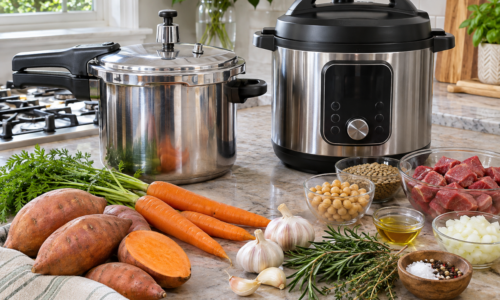
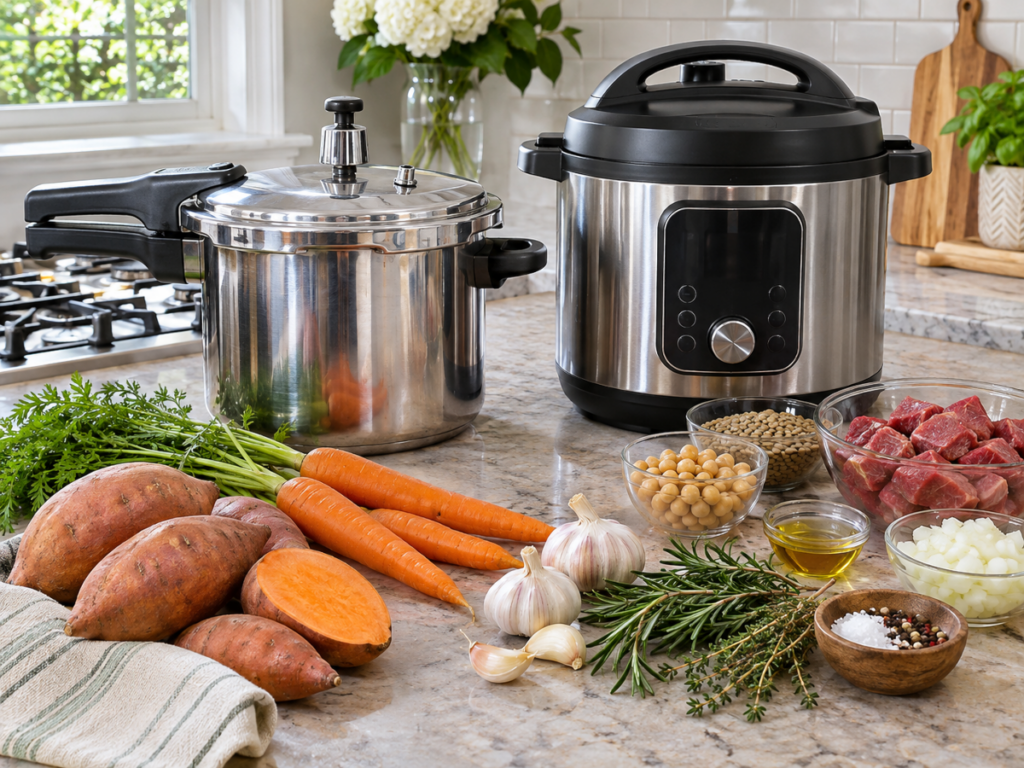
Adding a pressure cooker to your kitchen opens up preparation options that can make a low-lectin lifestyle considerably easier to maintain. Ingredients that traditionally require hours of simmering become more practical for everyday meals, while homemade broths, tender meats, soups, and properly prepared legumes become easier to incorporate into a regular cooking schedule. The ability to prepare several portions of food during a single cooking session can also reduce the amount of time spent in the kitchen throughout the week.
For someone purchasing a pressure cooker for the first time, the selection of available appliances can be confusing. Traditional stovetop pressure cookers remain popular alongside electric models and programmable multicookers offering numerous additional functions. Differences in operating pressure, capacity, convenience, maintenance, and cooking performance deserve consideration, particularly if reducing lectin activity in certain ingredients is among your reasons for purchasing one.
How a Pressure Cooker Actually Works
Under ordinary cooking conditions, water boils at approximately 212°F (100°C) at sea level. Once water reaches its boiling point, additional heat primarily increases the rate of evaporation rather than the temperature of the boiling liquid. This places a practical temperature limitation on cooking methods that rely on boiling or simmering in a conventional pot.
A pressure cooker changes these conditions by containing steam within a sealed cooking chamber equipped with pressure-regulating mechanisms. As pressure increases, the boiling point of water rises, allowing food to cook in a moist environment at temperatures above those achievable through conventional boiling. At approximately 15 pounds per square inch (PSI) above atmospheric pressure at sea level, the temperature of boiling water reaches roughly 250°F (121°C).
These elevated temperatures accelerate many of the changes that occur during extended cooking. Collagen in tougher cuts of meat gradually converts into gelatin, dried legumes hydrate and soften, and firm vegetables become tender. Ingredients that ordinarily benefit from prolonged moist heat are generally among the best candidates for pressure cooking.
Relatively little moisture escapes during the pressurized portion of cooking, although the amount varies with the appliance and release method. Recipes originally developed for conventional simmering may consequently require less liquid when adapted for pressure cooking. Sufficient thin cooking liquid must still be present to generate steam and meet the manufacturer’s minimum requirements.
Why Pressure Cooking Is Useful for a Low-Lectin Lifestyle
Pressure cooking receives considerable attention within the low-lectin community because adequate moist heat can reduce the biological activity of certain plant lectins. Lectins are proteins that bind to specific carbohydrates, and their resistance to heat varies according to their structure, the food containing them, and the conditions under which that food is prepared.
Red kidney beans provide one of the best-documented examples of why preparation matters. They contain phytohemagglutinin (PHA), a lectin capable of causing nausea, vomiting, abdominal pain, and diarrhea when consumed in sufficiently active amounts through raw or inadequately cooked beans. Thorough preparation substantially reduces this established food-safety hazard.
A 1983 study published in the Journal of Food Science examined the effects of different heating conditions on red kidney beans. Pressure cooking unsoaked beans at 15 PSI for 45 minutes reduced their measured hemagglutinating activity, the ability to cause red blood cells to clump together in a laboratory test, below detectable levels. The researchers also demonstrated that sufficient conventional boiling of presoaked beans could achieve similar results in that assay.
The experimental conditions should not be treated as universal household cooking instructions. Different appliances operate at different pressures, and an electric model with a lower operating pressure may not reproduce the same results within an identical cooking period. The study measured a particular form of lectin activity rather than establishing the complete absence of every lectin or demonstrating improved long-term health outcomes.
In January 2026, the European Food Safety Authority published a scientific assessment of plant lectins in food. Its evaluation identified inadequately prepared beans as a concern associated with active PHA exposure and supported the effectiveness of sufficient soaking and high-temperature cooking. Available evidence was insufficient to conduct comparable risk assessments for other dietary lectins.
For dried kidney beans, established precautionary guidance includes soaking for 6 to 12 hours, allowing additional soaking time if necessary, discarding the soaking water, and boiling the beans in fresh water at 212°F (100°C) for at least 30 minutes, continuing until fully cooked. Because water boils at lower temperatures at higher elevations, cooks should follow appropriate preparation guidance for their location. A slow-cooking cycle or an arbitrarily selected pressure-cooking program should never be assumed to provide equivalent treatment.
Pressure cooking offers additional preparation possibilities for people who wish to include properly cooked legumes within their low-lectin eating patterns. Someone who previously experienced discomfort after eating beans may find a differently prepared portion more tolerable, although fermentable carbohydrates and other food components can also influence digestive symptoms. Changes in food tolerance are worth documenting without assuming that lectins were necessarily responsible for the original reaction.
Stovetop Pressure Cookers
A traditional stovetop pressure cooker resembles a heavy cooking pot equipped with a locking lid, sealing gasket, pressure regulator, and safety mechanisms. The appliance receives heat from a conventional cooking surface, requiring the cook to adjust the burner as necessary to reach and maintain the intended operating pressure.
Many stovetop models reach approximately 15 PSI above atmospheric pressure, although operating specifications vary. This allows them to achieve higher cooking temperatures than numerous standard electric pressure cookers, potentially shortening the time required for certain recipes. Anyone purchasing a cooker specifically for low-lectin food preparation should examine its documented operating pressure rather than assuming all stovetop models perform identically.
Direct control over the heat source is another advantage. Meat can be browned in the pot before pressure cooking, and excess cooking liquid can be reduced afterward without transferring everything into a separate saucepan. A well-constructed stainless steel model may also provide years of service with appropriate maintenance and periodic replacement of worn components.
The main drawback is the attention required during operation. Stovetop cookers generally require manual heat adjustment, separate timing, and greater familiarity with pressure indicators. They also occupy a burner that might otherwise be available for preparing vegetables or other portions of a meal.
Stovetop pressure cookers are particularly suitable for cooks who prefer traditional equipment, frequently prepare tougher cuts of meat, or want access to higher operating pressures. Before purchasing, check whether the base is compatible with your cooking surface, especially if you use an induction cooktop.
Electric Pressure Cookers and Programmable Multicookers
Electric pressure cookers contain their own heating element, electronic controls, sensors, and removable cooking vessel. Once the ingredients have been added and the appropriate settings selected, the appliance automatically regulates its heating cycle. Most models end active pressure cooking when the programmed duration has elapsed, reducing the need for manual adjustments.
Many electric models also function as multicookers, offering programs for sautéing, steaming, slow cooking, yogurt preparation, and automatic warming. These additional functions can be useful in kitchens with limited space for separate appliances. Their value depends on which cooking methods you regularly use, rather than how many settings appear on the control panel.
Operating pressure is one of the more significant differences between electric and stovetop equipment. The Pacific Northwest Extension guide to electric programmable pressure cookers describes typical high-pressure operating ranges of approximately 9 to 11 PSI for electric models and 14 to 15 PSI for stovetop equipment. Some electric appliances offer higher operating pressures, making it worthwhile to examine the specifications of individual models.
Electric pressure cookers require dedicated storage or countertop space, contain electronic components that may eventually fail, and sometimes depend on proprietary replacement parts. Their built-in sauté functions may also provide less effective browning than a heavy pot over a suitable stovetop burner, particularly when preparing large quantities of meat.
For many first-time owners, automatic pressure regulation and programmable timing make an electric model an approachable introduction to pressure cooking. The appliance still requires appropriate supervision and adherence to its operating instructions, but there is generally less active heat management during the cooking cycle.
Understanding Actual Cooking Times
A recipe advertising a short pressure-cooking time may only account for the period during which the appliance maintains its selected pressure. Heating the cooking liquid, generating steam, building pressure, and depressurizing afterward all contribute to the actual time required before food can be served.
A large quantity of refrigerated meat and cold broth may take considerably longer to reach operating pressure than a smaller batch of ingredients. Large volumes of liquid can also extend the natural pressure-release period. These differences become particularly noticeable when preparing soups and stocks in larger pressure cookers.
Colorado State University Extension’s guidance on common electric pressure-cooking mistakes identifies overlooking these additional stages as a frequent source of confusion. Recording the total cooking cycle alongside the programmed duration can help establish more reliable meal preparation schedules.
Pressure cooking generally provides its greatest time-saving advantages with ingredients that ordinarily require extended cooking. Beef chuck, pork shoulder, and homemade stock are worthwhile examples, while a small quantity of delicate vegetables may be prepared more efficiently through conventional steaming or sautéing.
Choosing the Right Pressure Cooker Size
Pressure cookers are commonly available in capacities of 3, 6, and 8 quarts, alongside larger and smaller alternatives. The advertised capacity represents the total volume of the cooking vessel, rather than the amount of food and liquid that can safely be pressure cooked. Headspace must remain available for steam, expanding ingredients, and foods that produce foam.
Small Pressure Cookers (Around 3 Quarts)
Smaller pressure cookers suit individuals, couples, and households preparing relatively modest portions. They require less storage space and can be convenient for side dishes, small quantities of soup, and individual meals. Their limited working capacity becomes apparent when attempting to prepare large cuts of meat, substantial batches of stock, or enough food for several days.
Medium Pressure Cookers (Around 6 Quarts)
A 6-quart pressure cooker offers a practical starting point for many households. It provides room for everyday meals and moderate batch cooking without requiring the storage space of larger equipment. Shredded chicken, beef stew, vegetable soups, sweet potatoes, and homemade broth can all be prepared in quantities suitable for multiple meals, provided the appliance’s filling limits are respected.
Large Pressure Cookers (8 Quarts or More)
Larger pressure cookers appeal to households that regularly prepare food in bulk or maintain a substantial supply of freezer meals. They offer additional space for larger cuts of meat, soup ingredients, and stock preparation. Their heavier construction, storage requirements, and potentially greater minimum liquid requirements may make them less convenient for smaller recipes.
The Benefits of Batch Cooking
Batch cooking is where a pressure cooker can earn a permanent place in a low-lectin kitchen. Preparing food from basic ingredients often involves additional work compared with relying on commercial convenience products. Cooking several portions during a single session reduces the frequency with which those preparation tasks need to be repeated.
A useful approach involves preparing individual meal components rather than filling several containers with identical finished dinners. A batch of lightly seasoned shredded chicken, for example, can be incorporated into lettuce wraps, cauliflower bowls, vegetable soups, breakfast skillets, and salads. Keeping the initial seasoning relatively simple allows garlic, fresh herbs, dressings, and other preferred ingredients to establish different flavors throughout the week.
Homemade stock offers similar flexibility. Freezing portions of chicken or beef stock makes it easier to prepare soups, braised vegetables, sauces, and stews without opening a large container of commercial broth for every recipe. Preparing stock at home also provides control over added salt, seasonings, and other ingredients you may prefer to avoid.
Some particularly useful batch-cooking options for a low-lectin kitchen include:
- Shredded chicken and turkey
- Braised beef and pulled pork
- Chicken, beef, and vegetable stocks
- Sweet potatoes, carrots, and other preferred root vegetables
- Mashed cauliflower and vegetable purées
- Soups and stews
- Millet and other individually tolerated grains
- Properly prepared beans and legumes
- Sauces made from peeled and deseeded vegetables
These ingredients can form the foundations of numerous meals without requiring everything to be pressure cooked. Freshly sautéed greens, roasted vegetables, and homemade dressings introduce contrasting textures and flavors alongside ingredients prepared in advance. Combining cooking methods also prevents the soft textures associated with pressure cooking from dominating every meal.
Batch cooking creates opportunities to reduce food waste when ingredients are managed properly. Clean vegetable trimmings, safely handled poultry bones, and surplus vegetables can be reserved for stock or soup preparation. Freezing usable ingredients before they deteriorate provides greater flexibility without relying on cooking to make spoiled food safe.
Potential Nutritional and Financial Benefits
The nutritional effects of pressure cooking depend on the food, temperature, cooking duration, and amount of water used. Shorter cooking periods may help preserve certain heat-sensitive nutrients under some conditions, while higher temperatures can contribute to the degradation of others. Pressure cooking should therefore not be considered universally superior to other preparation methods for nutrient retention.
Cooking liquid deserves particular consideration when preparing soups and stews. Water-soluble nutrients that migrate from ingredients into the broth remain part of the meal when that liquid is consumed. Legume preparation presents a separate consideration, since discarding soaking water and using fresh cooking water forms part of established preparation guidance for certain beans.
Pressure cooking can provide financial benefits by making less expensive cuts of meat more practical. Beef chuck and pork shoulder contain connective tissue that benefits from moist cooking, allowing comparatively economical ingredients to become tender enough for numerous meals.
Reducing extended cooking periods may also lower household energy consumption, although actual savings depend on the equipment, heat source, quantity of food, and local utility costs. Preparing several portions during one cooking session can reduce repeated heating cycles and make better use of the time and energy already committed to cooking.
Learning Which Foods Benefit Most From Pressure Cooking
Pressure cooking performs particularly well with ingredients that require substantial softening or prolonged exposure to moist heat. Tougher cuts of meat, chicken thighs, firm root vegetables, and stock ingredients are useful starting points. Their cooking requirements allow beginners to become familiar with the appliance without relying on the precise timing demanded by more delicate foods.
Spinach, tender zucchini, fresh herbs, and certain seafood can quickly become overcooked, particularly during natural pressure release. These ingredients are frequently better added after depressurization and cooked briefly using residual heat or an appropriate sauté setting. Separating ingredients according to their cooking requirements can substantially improve the finished texture of a dish.
Cream, thick coconut milk preparations, and starch-thickened sauces may separate or scorch under certain pressure-cooking conditions. Thick mixtures can also interfere with the appliance’s ability to generate sufficient steam. Unless a recipe has been developed for pressure cooking with these ingredients, adding dairy products and thickening agents afterward generally provides greater control.
Pressure cooking also cannot reproduce the dry, crisp surfaces associated with roasting and frying. Chicken skin may remain soft despite the meat becoming tender, while vegetables that would ordinarily develop browned edges in an oven emerge with a different texture. Finishing suitable foods under a broiler or in a hot oven can provide the desired exterior without requiring the entire cooking process to take place under dry heat.
Using Your Pressure Cooker Safely
Before preparing your first meal, read the manufacturer’s operating instructions and complete the introductory water test if one is recommended. This provides an opportunity to become familiar with the pressure indicator, sealing mechanism, cooking controls, and release procedures without handling a full pot of hot food.
Inspect the sealing ring, valves, and other designated safety components before use. Follow the manufacturer’s minimum liquid requirements and maximum filling limits, including any restrictions that apply to particular ingredients. The University of Maine Cooperative Extension’s pressure-cooking guidance recommends limiting the contents to half the vessel’s capacity when preparing expanding, starchy foods such as beans and rice.
Natural pressure release allows the cooking chamber to depressurize gradually as it cools. Quick pressure release vents steam more rapidly through the designated release mechanism, shortening the additional cooking period for suitable ingredients. Recipes involving beans, soups, stews, and other foods that may foam or produce substantial quantities of hot liquid generally call for natural release.
Position the appliance where escaping steam will not strike overhead cabinets, nearby surfaces, or anyone working in the kitchen. Keep your hands and face away from the steam outlet, follow the prescribed release procedure, and never attempt to force open a lid while the cooker remains pressurized.
The temperature inside the cooking chamber does not establish that every ingredient has reached a safe internal temperature. Follow the federal safe minimum internal temperature recommendations and verify doneness with a food thermometer. Poultry must reach 165°F (74°C), while whole cuts of beef and pork require at least 145°F (63°C) followed by a three-minute rest, although tougher cuts often need additional cooking for the desired tenderness.
Pressure Cooking Is Different From Pressure Canning
Purchasing a pressure cooker for batch preparation sometimes leads to an interest in preserving homemade soups, meats, and vegetables in shelf-stable jars. Pressure cooking and pressure canning both involve steam under pressure, but their equipment requirements and processing objectives differ substantially.
Pressure canning requires tested processing conditions capable of controlling hazardous microorganisms in low-acid foods, including the spores of Clostridium botulinum. The heating, venting, processing, and cooling characteristics of the equipment all contribute to the safety of the established procedure.
Oregon State University Extension’s guidance on pressure cookers and pressure canners explains why ordinary stovetop pressure cookers and electric multicookers should not be substituted for appropriate pressure canners when following USDA pressure-canning procedures. Reaching a particular pressure or producing a sealed jar does not establish that the contents have received adequate heat treatment.
Refrigeration and freezing are more practical preservation methods for most everyday pressure-cooked meals. They allow cooked meats, stocks, soups, and suitable vegetables to be stored in convenient portions without introducing the additional equipment and processing requirements associated with shelf-stable preservation.
Storing Your Batch-Cooked Meals
Large batches of food require particular attention during cooling. Leaving soup, stew, or stock inside a deep cooking vessel can delay cooling, allowing portions of the food to remain at temperatures favorable to bacterial growth. Divide the contents into smaller, shallow storage containers once the cooker has safely depressurized.
Federal food-safety guidelines for cooling and refrigeration recommend refrigerating perishable foods within two hours, or within one hour when surrounding temperatures exceed 90°F (32°C). Hot food can be refrigerated in appropriately sized containers without waiting for it to reach room temperature.
Most cooked leftovers should be used within three to four days when refrigerated at 40°F (4°C) or below, in accordance with federal cold food storage recommendations. Freeze portions intended for later use and reheat applicable leftovers to 165°F (74°C). Labeling containers with their contents and preparation dates makes it easier to manage a rotating supply of cooked ingredients.
Making Your First Pressure Cooker Part of Your Kitchen Routine
A first pressure cooker does not need dozens of cooking programs or an extensive collection of accessories. Documented operating pressures, suitable capacity, clearly explained safety instructions, available replacement sealing rings, and straightforward cleaning procedures are more useful considerations. Checking for applicable product recalls is also worthwhile, particularly when purchasing secondhand equipment.
Begin with familiar ingredients and recipes developed specifically for your type of cooker. Preparing chicken, homemade stock, or sweet potatoes provides an opportunity to learn how the equipment behaves without simultaneously experimenting with unfamiliar foods. Keep a record of the pressure setting, programmed duration, release method, and finished texture so subsequent batches can be adjusted with greater precision.
Readers who track their meals and digestive responses may also benefit from recording how particular ingredients were prepared. Comparing portions of the same food prepared under consistent conditions can make personal observations easier to interpret, especially when experimenting with properly cooked legumes or reintroducing previously excluded ingredients. Keeping preparation methods alongside ingredient and portion records creates a useful kitchen reference that can gradually develop into a collection of dependable recipes for everyday low-lectin cooking.