

The first time many people begin exploring a low-lectin lifestyle, the grocery list can feel like a puzzle. Foods that were once considered nutritional staples suddenly require a second look. Beans, grains, and certain vegetables move into the category of ingredients that may need careful preparation or occasional avoidance.
In the middle of that transition, a few foods quietly become reliable anchors. Avocados are one of them.
This soft, green fruit has gained attention in recent years because of its healthy fats and versatility in cooking. Yet among people who follow lectin-aware diets, avocados have earned a reputation that goes beyond trends or culinary fashion. They are often viewed as one of the most dependable foods available for individuals trying to reduce lectin exposure while still eating meals that feel rich, satisfying, and nourishing.
Understanding why avocados hold this role requires a closer look at both sides of the conversation. It involves understanding what lectins are, how they behave in foods, and why certain ingredients contain far fewer of them than others.
Understanding Lectins in Everyday Foods
Lectins are proteins that bind to carbohydrates. Plants produce them as part of their natural defense systems. In the wild, seeds and reproductive parts of plants need protection from insects and animals that might otherwise eat them before they have a chance to reproduce.
From the plant’s perspective, lectins serve as protective molecules. From the human perspective, they can sometimes create digestive challenges.
Many lectins pass through the digestive system without causing noticeable issues. The human body encounters them regularly. However, some lectins can interact with the gut lining or interfere with digestion when they are consumed in significant amounts. A well known example is phytohemagglutinin in undercooked kidney beans, which can cause acute digestive distress if not properly prepared.
Not all foods contain the same concentration of lectins. Seeds, legumes, and certain grains tend to contain higher amounts. The reason is simple biology. Seeds represent the next generation of the plant. Protecting them is a priority.
By contrast, the fleshy part of fruits often contains far fewer defensive compounds. Plants benefit when animals eat fruit because it helps disperse seeds to new locations. This distinction between seeds and fruit flesh becomes important when discussing avocados.
A Fruit That Breaks the Pattern
Avocados are technically classified as berries. They grow on trees and develop as a fleshy fruit surrounding a single large seed. When people eat avocados, they consume the soft outer flesh while discarding the seed inside. This matters because lectins are often concentrated in plant seeds rather than the fruit that surrounds them.
In the case of avocados, the edible portion of the fruit contains extremely low levels of lectins compared to many other plant foods. The plant’s defensive compounds are concentrated primarily in the seed and in parts of the peel. Since these parts are not typically eaten, the fruit itself becomes a naturally low-lectin option.
That simple biological arrangement explains why avocados fit comfortably into many lectin-conscious diets.
The Unique Nutritional Profile of Avocados
The appeal of avocados goes beyond lectin content. Their nutritional structure happens to align well with several goals that often accompany lectin-aware eating. Unlike most fruits, avocados are low in sugar and high in fat. The fats they contain are primarily monounsaturated fats, particularly oleic acid. This is the same heart-supportive fatty acid found in olive oil.
These fats contribute to several benefits:
• They provide lasting energy without rapid spikes in blood sugar
• They support absorption of fat-soluble vitamins such as A, D, E, and K
• They help meals feel satisfying, which reduces the temptation to rely on processed snacks
Avocados also contain fiber, potassium, magnesium, folate, and a variety of plant compounds that support metabolic and cardiovascular health. For individuals adjusting their diets to reduce lectins, this nutrient density helps fill a gap that sometimes appears when common staples are removed.
A Gentle Food for Sensitive Digestion
Many people begin exploring lectin reduction because of digestive discomfort. Bloating, fatigue after meals, or unpredictable gut symptoms can motivate people to experiment with dietary changes. Foods that are low in lectins are often easier for sensitive digestive systems to tolerate. Avocados tend to fall into this category for several reasons.
First, they contain very little starch compared to grains or legumes. Complex starches can sometimes feed gas-producing bacteria in ways that cause discomfort for certain individuals.
Second, avocados contain soluble fiber that forms a soft, gel-like structure in the digestive tract. This type of fiber can support smoother digestion and may contribute to a healthier gut environment.
Finally, the natural fats in avocados slow digestion slightly, which helps stabilize blood sugar levels and create a more gradual release of nutrients. For many people navigating a low-lectin lifestyle, avocados become one of the foods that simply feels comfortable to eat.
The Culinary Versatility of Avocados
Another reason avocados appear so frequently in lectin-aware kitchens is their remarkable versatility.
The fruit’s creamy texture allows it to replace ingredients that often contain higher lectin levels or processed additives. In cooking and baking, avocados can serve as a foundation for both savory and sweet dishes.
In savory cooking, avocados often appear in dishes such as:
- Salads where they provide richness without needing heavy dressings
- Bowls and wraps that rely on whole foods rather than refined grains
- Smooth sauces blended with herbs, garlic, and olive oil
In sweet recipes, avocados can transform into:
- Chocolate puddings and mousse-style desserts
- Smoothie bases that add creaminess without dairy
- Frostings made with cocoa and natural sweeteners
These culinary roles make avocados especially valuable for people who are trying to recreate familiar comfort foods while adjusting their ingredient choices. Instead of relying on processed thickeners or lectin-rich flour alternatives, a ripe avocado can provide the same creamy structure using whole food ingredients.
Avocados and the Bigger Picture of Food Preparation
One important aspect of lectin awareness is recognizing that preparation methods often influence how foods affect the body. Many lectin-containing foods become safer and easier to digest through soaking, fermentation, pressure cooking, or peeling and deseeding. Traditional food cultures have used these techniques for centuries.
Avocados represent a different category. They require almost no preparation to become edible. Once the peel and seed are removed, the fruit can be eaten immediately.
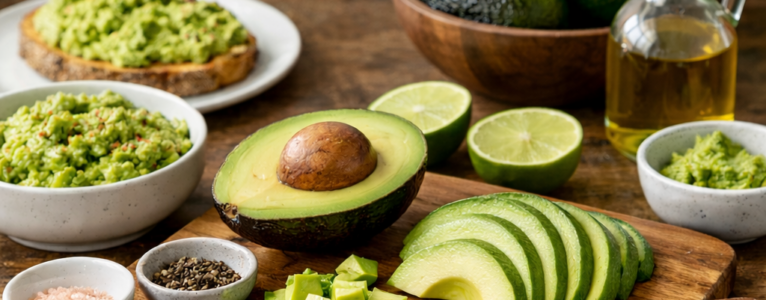
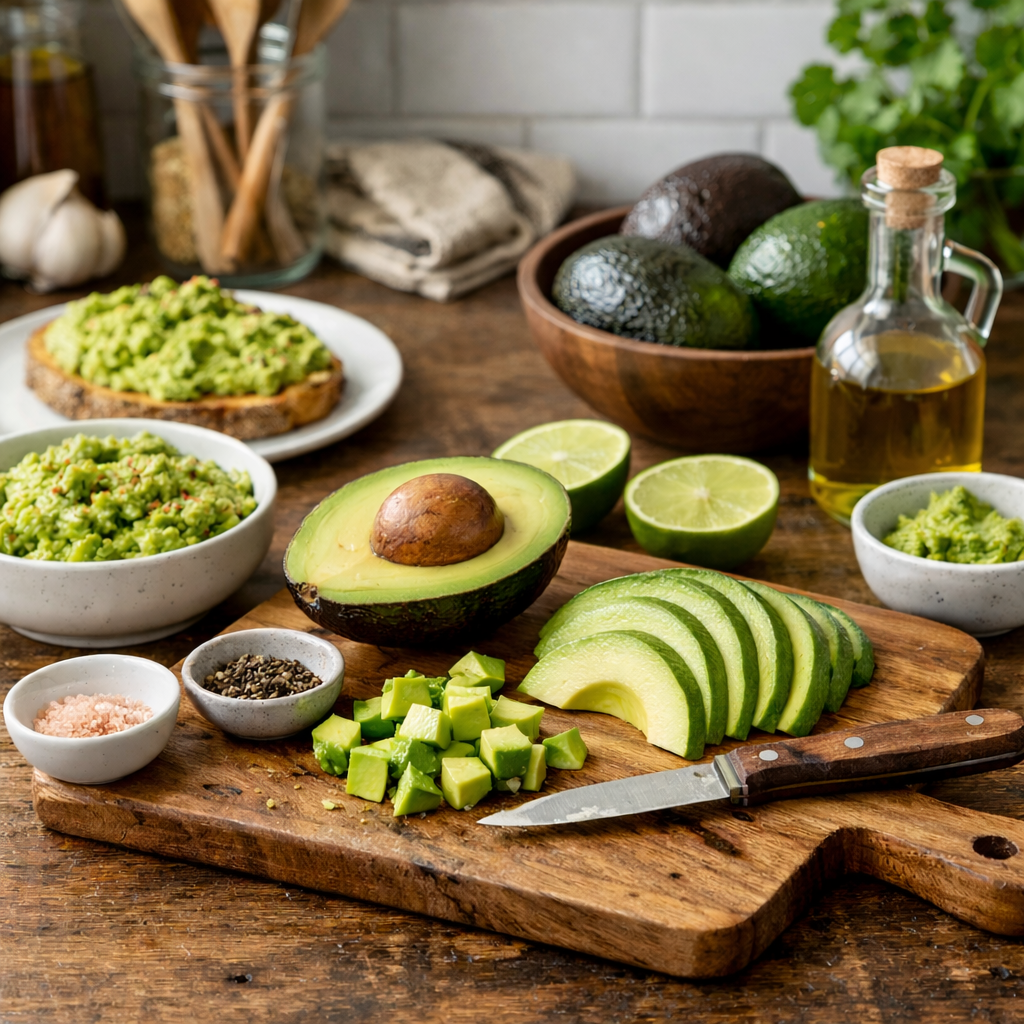
This simplicity is part of their appeal. In a dietary landscape where some foods require careful preparation to reduce lectins, avocados offer a convenient option that requires no special treatment. They can be sliced onto a plate, mashed into spreads, or blended into sauces in a matter of minutes.
The Role of Healthy Fats in Lectin-Aware Eating
When people reduce certain high-lectin foods such as grains or legumes, they often find themselves adjusting the balance of macronutrients in their diets. Healthy fats frequently take on a larger role. Avocados are one of the most accessible sources of these fats in whole food form.
The fats in avocados support several processes that become especially important during dietary transitions. They help stabilize blood sugar, which can reduce the energy crashes that sometimes occur when people remove refined carbohydrates from their meals.
They also help maintain satiety. Meals that contain healthy fats tend to feel more filling and satisfying. This can make the transition to new eating patterns easier to sustain over time. From a metabolic perspective, monounsaturated fats have also been linked to improvements in cardiovascular markers when they replace highly processed fats or refined carbohydrates.
A Word About Moderation
Even though avocados fit comfortably into low-lectin eating patterns, moderation still matters. Like many nutrient-dense foods, avocados contain significant calories because of their fat content. For most people this is not a problem when avocados are used as part of balanced meals. However, relying on very large portions can shift overall calorie intake more than expected.
Some individuals also notice digestive sensitivity to certain compounds in avocados, such as FODMAP-related carbohydrates. While this is relatively uncommon, it serves as a reminder that individual responses to foods can vary.
The broader goal of a lectin-aware lifestyle is not rigid restriction. It is awareness and adjustment based on how the body responds. For many people, avocados become a regular part of that balance.
Why Avocados Became a Low-Lectin Favorite
When people talk about the foods that helped them successfully transition to a low-lectin lifestyle, avocados appear in those conversations again and again.
They offer several advantages at once:
- They are naturally low in lectins because the edible portion of the fruit is not the plant’s seed.
- They provide healthy fats that support metabolic stability.
- They contain fiber, vitamins, and minerals that support overall nutrition.
- They adapt easily to both savory meals and creative desserts.
Most importantly, avocados make it easier to build meals that feel satisfying rather than restrictive. Food choices that support long-term health are more likely to succeed when they still bring enjoyment to the table. Avocados help bridge that gap. They allow people to prepare meals that feel indulgent and nourishing at the same time.
The Bigger Lesson Behind the Avocado
The popularity of avocados in lectin-aware eating highlights an important principle that extends beyond a single ingredient. Nature often places defensive compounds in specific parts of plants. Seeds, skins, and outer layers frequently contain higher concentrations because those structures need protection.
By understanding these patterns, people can make informed choices about which foods to emphasize and how to prepare them. Avocados are simply a clear example of how this knowledge works in practice. A fruit designed by nature to attract animals for seed dispersal happens to provide a nutrient-dense food that aligns well with lectin-aware eating.
For many people exploring this lifestyle, the avocado becomes more than just a trendy ingredient. It becomes a reminder that sometimes the simplest foods offer the most elegant solutions. And sometimes the path toward better health begins with something as ordinary as slicing open a piece of fruit and discovering that nature already did most of the work.