

Eggs have always held a special place in the kitchen. They are simple, familiar, and deeply woven into food culture across the world. A single egg can thicken sauces, bind ingredients together, add richness to baked goods, or stand proudly as the centerpiece of a meal. For people exploring a low-lectin lifestyle, eggs often become even more valuable because they provide a reliable, naturally low-lectin source of protein and nutrients.
Yet not all eggs are created equal.
In recent years, terms such as pasture-raised, organic, and cage-free have appeared on cartons in grocery stores, often leaving shoppers unsure what the differences really mean. For people trying to reduce lectin exposure while improving overall nutrition, these distinctions can matter more than marketing labels suggest. The way a hen lives and what it eats can influence the nutritional profile of the eggs it produces.
Understanding why pasture-raised eggs are often favored in low-lectin approaches requires stepping back and looking at both lectin science and the biological role eggs play in the human diet.
Eggs as a Naturally Low-Lectin Food
Lectins are carbohydrate-binding proteins found in many plants. They are especially concentrated in seeds, grains, legumes, and some vegetables. These proteins serve defensive roles for plants by discouraging animals and insects from consuming them. In many foods lectins are harmless or reduced through cooking, fermentation, or other preparation methods. However, some individuals appear sensitive to certain lectins, particularly when those proteins survive digestion and interact with the lining of the gut.
Eggs stand apart from this conversation because they contain virtually no dietary lectins. Unlike grains or legumes, eggs are an animal product. The nutrients inside an egg exist to support the development of a chick embryo, not to defend against predators through lectin activity. This biological difference is why eggs are widely accepted across many lectin-conscious diets.
Eggs provide a combination of nutrients that make them particularly useful when someone is transitioning away from higher lectin foods like wheat, beans, or soy products. A single egg contains high-quality protein, essential amino acids, vitamins A, D, B12, riboflavin, selenium, and choline. Choline is especially important for brain and liver function, yet many diets fall short of recommended intake.
In practical terms, eggs help fill nutritional gaps when people reduce or remove certain plant foods during a low-lectin dietary transition. But the story does not end there. The nutritional value of eggs can vary depending on how the hens that produced them were raised.
How the Hen’s Diet Shapes the Egg
A hen is essentially a biological converter of food into eggs. What she eats influences the nutrients that appear in the yolk. This is one of the reasons egg researchers often say that eggs reflect the diet and environment of the bird that produced them.
Commercial egg production has historically relied on grain-based feeds. These feeds commonly include corn, soybeans, and other crops that are efficient and inexpensive sources of calories and protein for poultry. However, these ingredients are also foods that contain lectins.
It is important to clarify something here. Lectins from chicken feed do not simply transfer intact into eggs. The hen’s digestive system breaks down most dietary proteins, including lectins, during digestion. Eggs themselves remain a low-lectin food regardless of feed type.
What changes is not lectin content but the overall nutrient composition of the egg. Research has shown that hens raised outdoors with access to grasses, insects, and a varied natural diet often produce eggs with higher levels of certain beneficial nutrients. These may include omega-3 fatty acids, vitamin D, vitamin E, and carotenoid antioxidants such as lutein and zeaxanthin. These nutrients contribute to the deeper golden color often seen in the yolks of pasture-raised eggs.
From a low-lectin perspective, these improvements in nutrient density can be helpful because they support overall metabolic and digestive health. Many people exploring lectin reduction are doing so because they are dealing with inflammation, gut sensitivity, or autoimmune symptoms. Nutrient-dense foods that support immune and cellular function become especially valuable in that context.
Pasture-raised eggs often fit that role well.
What “Pasture-Raised” Actually Means
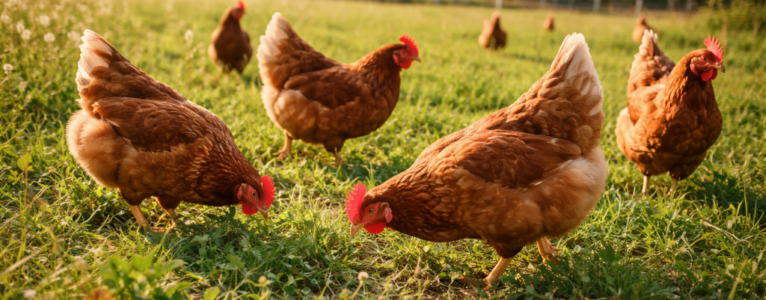
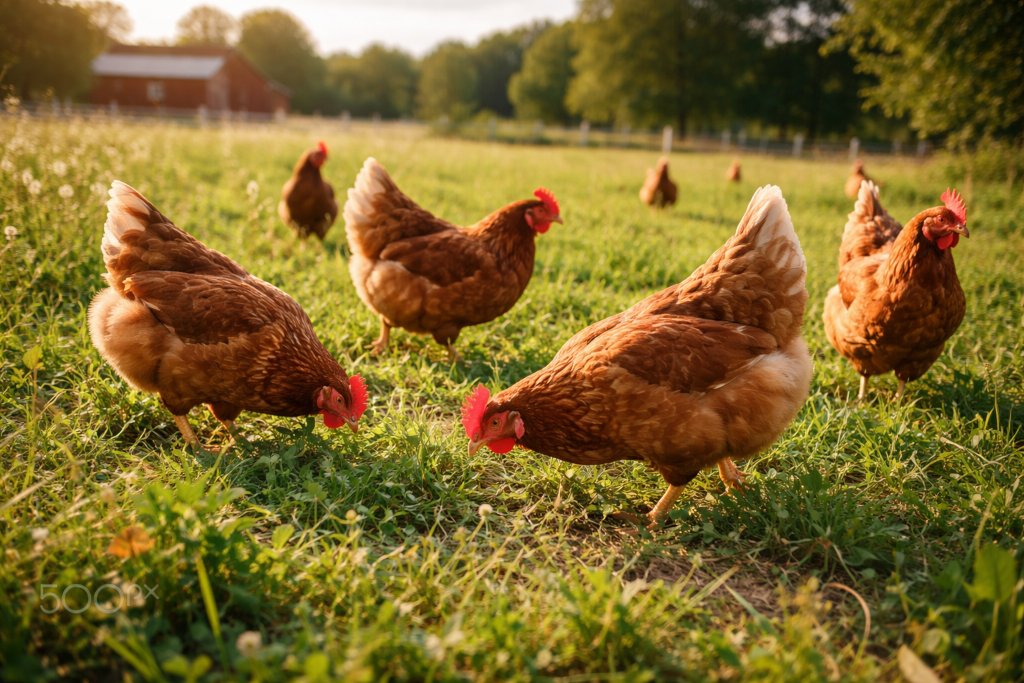
The term pasture-raised refers to hens that spend significant time outdoors on open land where they can forage naturally. In well-managed pasture systems, chickens roam fields where they eat grasses, seeds, insects, and other small organisms while still receiving supplemental feed.
This environment allows chickens to behave more like their natural ancestors.
- They scratch in the soil.
- They hunt for insects.
- They move freely and experience sunlight.
Sunlight exposure is especially important because it contributes to vitamin D synthesis. Some studies have shown that eggs from hens with outdoor access may contain higher vitamin D levels compared with eggs produced entirely indoors.
The natural foraging behavior also introduces dietary diversity for the birds. Insects and plant matter provide additional fatty acids and micronutrients that can influence egg composition.
As a result, pasture-raised eggs often have several nutritional characteristics that stand out:
- Higher omega-3 fatty acids
- Improved omega-3 to omega-6 ratio
- More fat-soluble vitamins
- Higher antioxidant pigments
These changes do not transform eggs into a completely different food, but they can make them more nutritionally robust. For individuals paying close attention to food quality, that difference matters.
Cage-Free, Free-Range, Organic, and Pasture-Raised
Modern egg cartons feature a variety of labels that can make grocery shopping confusing. Understanding what these labels mean helps clarify why pasture-raised eggs are often recommended within food philosophies that emphasize quality and whole-food sourcing.
Cage-Free
Cage-free hens are not kept in small battery cages. Instead, they live in large indoor barns where they can move around more freely. However, they usually remain indoors for most or all of their lives.
Free-Range
Free-range systems require some level of outdoor access. In practice, this access can vary widely. Some operations provide only small outdoor areas that hens may or may not use frequently.
Organic
Organic eggs come from hens fed certified organic feed that avoids synthetic pesticides and genetically modified ingredients. Organic certification also prohibits routine antibiotic use and requires some outdoor access.
Pasture-Raised
Pasture-raised systems typically provide the largest outdoor space per bird and emphasize grazing and natural foraging behavior. Standards vary among producers, but many pasture-raised farms rotate chickens across fields to maintain healthy soil and vegetation.
From a nutritional perspective, pasture-raised eggs often combine the benefits of outdoor access with a diverse diet for the hens. This combination appears to contribute to the nutrient differences observed in some studies.
From a lifestyle perspective, many people also prefer pasture systems because they align with broader concerns about animal welfare and ecological farming practices.
Eggs, Cholesterol, and Modern Nutrition Science
Eggs have long been caught in debates about dietary cholesterol. For decades, people were warned that eating eggs could raise blood cholesterol levels and increase heart disease risk. Modern research has reshaped this conversation.
Large studies have shown that for most healthy individuals, dietary cholesterol from foods like eggs has only a modest impact on blood cholesterol levels. The body regulates cholesterol production internally, and in many cases when dietary cholesterol increases, the body compensates by producing less of its own.
In fact, eggs often raise levels of HDL cholesterol, sometimes called the “good” cholesterol, which plays a role in transporting cholesterol away from tissues and back to the liver. Eggs also contain nutrients that may support cardiovascular health, including choline and antioxidants.
For people following a low-lectin lifestyle, eggs provide a reliable source of protein that does not rely on grains or legumes. When combined with vegetables, healthy fats, and other low-lectin foods, eggs can form the foundation of balanced meals without introducing the plant lectins that some individuals seek to reduce.
Of course, nutritional responses vary among individuals. People with specific medical conditions should always consider guidance from healthcare professionals. But the blanket fear surrounding eggs has softened considerably as modern nutrition science has evolved.
The Role of Eggs in Low-Lectin Cooking
One reason eggs are so widely used in low-lectin kitchens is their remarkable versatility. They can replace grain-based ingredients in many dishes. Almond flour breads, cassava flour pancakes, and vegetable-based casseroles often rely on eggs as a structural component that binds ingredients together. Eggs provide moisture, emulsification, and stability during cooking.
They also allow meals to remain satisfying even when traditional lectin-rich staples are reduced. A simple breakfast of pasture-raised eggs cooked in olive oil or butter with sautéed vegetables can provide protein, healthy fats, and micronutrients without relying on wheat toast or processed cereals.
Eggs also integrate well into sauces, custards, soups, and baked dishes. Their emulsifying properties help combine fats and liquids in a way that produces smooth textures. Classic preparations like hollandaise sauce demonstrate this effect beautifully.
Because eggs contain both fat and protein, they help meals feel filling. This satiety can be particularly helpful for people who are adjusting to new dietary patterns.
Flavor, Color, and the Sensory Difference
Many people notice something striking when they crack open a pasture-raised egg for the first time. The yolk often appears darker and richer in color compared with the pale yellow yolks commonly seen in conventional eggs. The whites may also appear thicker and more structured.
These differences are largely due to carotenoids and other nutrients that hens obtain from plants and insects while foraging outdoors. Pigments such as lutein and zeaxanthin contribute to the golden color of the yolk and also serve as antioxidants in the human body. Flavor differences are more subjective, but many cooks describe pasture-raised eggs as tasting richer or more complex.
Part of this perception may come from freshness. Eggs sourced from smaller farms often travel shorter distances before reaching the consumer. Fresh eggs tend to have firmer whites and yolks that hold their shape well when cracked into a pan. For people who cook frequently, these small sensory differences can add up to a noticeably different kitchen experience.
Practical Considerations When Choosing Eggs
While pasture-raised eggs offer potential advantages, they are often more expensive than conventional eggs. For many households, budget considerations matter. It is worth remembering that eggs remain nutritious across all production methods. Even standard grocery store eggs still provide high-quality protein and essential nutrients.
For those who want to prioritize pasture-raised eggs but need to balance cost, a few strategies can help. Some people choose pasture-raised eggs for meals where eggs are the primary ingredient, such as omelets or fried eggs. For baking or recipes where eggs are mixed with many other ingredients, they may use standard eggs.
Others look for local farms or farmers markets where pasture-raised eggs may be more affordable and fresher. The key idea is that food choices exist on a spectrum. Every improvement in food quality can contribute to a broader pattern of healthier eating.
A Small Food With a Large Role
Eggs may seem simple, but they represent a fascinating intersection of biology, agriculture, and nutrition. For those exploring a low-lectin lifestyle, eggs offer a dependable food that avoids many of the lectin-rich plant compounds found in grains and legumes. When sourced from pasture-raised hens, eggs may also provide enhanced nutrient density and a connection to more natural farming practices.
At the same time, eggs remind us that food is not just a collection of nutrients. It reflects the environment in which it was produced, the animals that contributed to it, and the choices we make in our kitchens every day.
A pasture-raised egg cracked into a pan on a quiet morning might seem like a small moment. Yet inside that egg is a complex story about soil, sunlight, insects, plants, and the remarkable biology of a hen.
For many people embracing a low-lectin approach to food, that small moment becomes part of a larger shift toward understanding where food comes from and how it interacts with the body. And sometimes the most powerful changes in diet begin not with complicated rules, but with something as simple as choosing a better egg.