

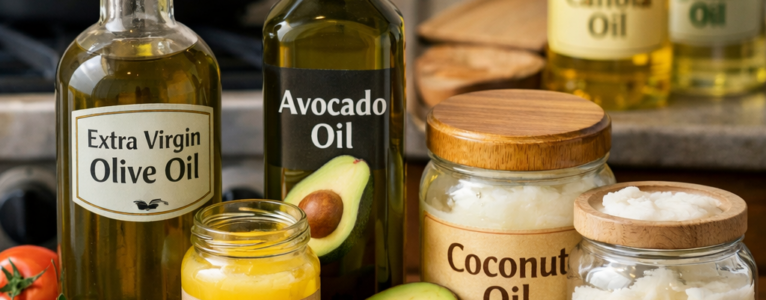
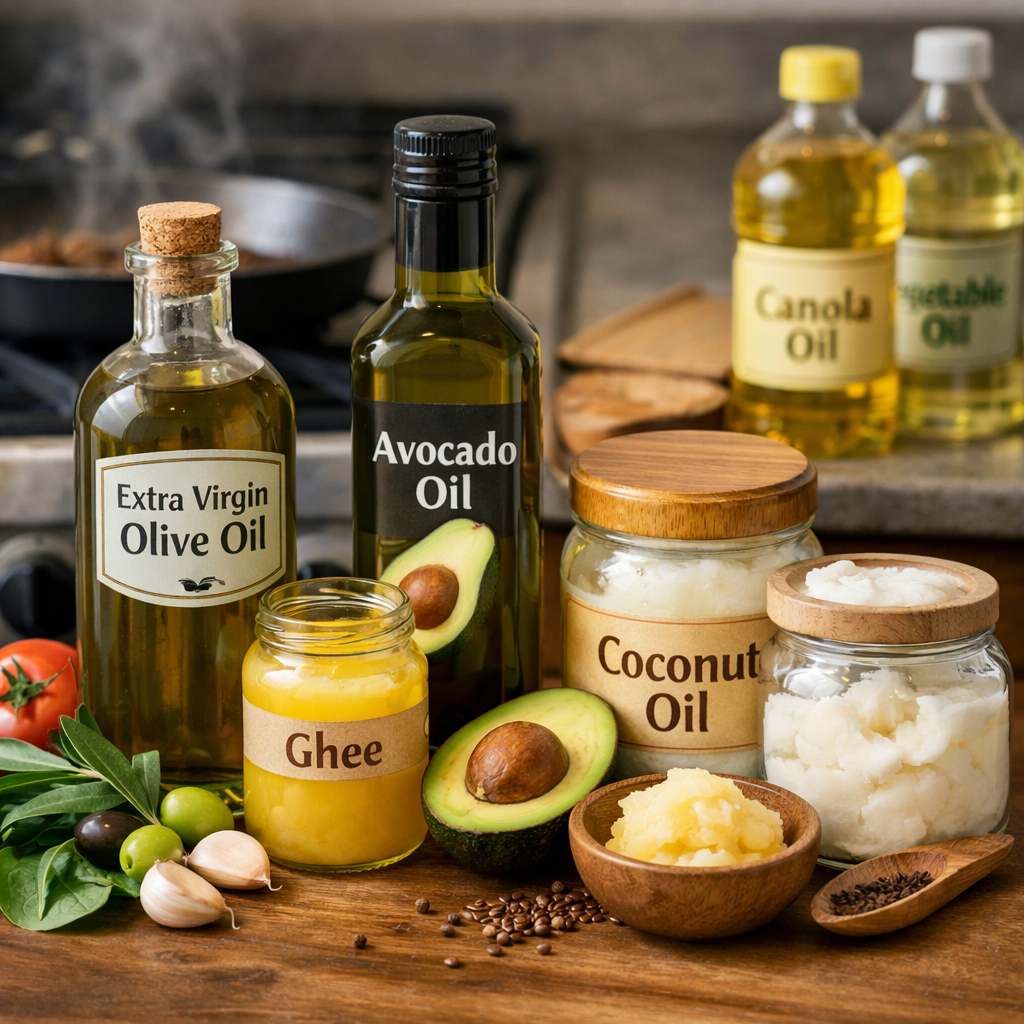
When people begin exploring a low-lectin way of eating, their attention almost always goes straight to foods. Beans. Grains. Nightshades. Seeds. Preparation methods. Pressure cooking. Peeling. Fermenting. All of that matters. But there is another category that quietly influences inflammation, digestion, and metabolic health every single day, often without much thought at all: cooking oils.
Oils do not contain lectins themselves, but they interact directly with lectin-sensitive systems in the body. They influence gut lining integrity, immune signaling, insulin response, and oxidative stress. And most importantly, they change dramatically when heat is applied.
An oil that is stable, supportive, and anti-inflammatory at room temperature can become irritating and damaging once it crosses a certain heat threshold. For people already dealing with lectin-related sensitivity, gut permeability issues, or chronic inflammation, those changes matter more than most realize.
Understanding how cooking oils behave under heat is one of the most overlooked pieces of low-lectin cooking, yet it can make a noticeable difference in how the body responds to meals that are otherwise carefully prepared.
This is not about fear. It is about alignment. Choosing oils that stay stable under the conditions you actually cook in, and using more delicate oils in ways that preserve their benefits rather than destroy them.
Why Heat Stability Matters More Than We Were Taught
For decades, cooking oils were marketed almost entirely on fat content. Saturated versus unsaturated. Animal versus plant. Cholesterol myths dominated the conversation, while heat stability was barely mentioned outside of industrial food science.
Heat stability refers to how resistant an oil is to breaking down when exposed to heat. When oils break down, they oxidize. Oxidation produces reactive byproducts that can irritate the gut lining, trigger inflammatory responses, and place additional stress on the liver.
In someone with no digestive sensitivity, these effects may be subtle or cumulative. In someone already dealing with lectin sensitivity, leaky gut, autoimmune activation, or metabolic dysfunction, the effects can be much more immediate.
What makes this especially important in low-lectin cooking is that many lectin-reduction methods involve heat. Pressure cooking, sautéing, roasting, slow cooking. The oil you choose becomes part of the biochemical environment your food is cooked in.
A stable oil supports that environment. An unstable oil undermines it.
The Chemistry in Plain Language
All cooking oils are made of fatty acids. Some are tightly packed and resistant to heat. Others are loosely structured and prone to damage. Saturated fats have no double bonds. This makes them structurally stable and less likely to oxidize when heated.
Monounsaturated fats have one double bond. They are relatively stable and often well tolerated when used appropriately. Polyunsaturated fats have multiple double bonds. These bonds are weak points. Heat, light, and oxygen easily damage them.
The more double bonds an oil has, the more careful you need to be with heat. This matters because many oils marketed as healthy are rich in polyunsaturated fats and are routinely used for high-heat cooking where they perform poorly.
Cooking Oils That Hold Up Well Under Heat
In low-lectin cooking, oils that remain stable at moderate to high temperatures tend to be the most supportive choices for daily cooking.
Extra virgin olive oil is often misunderstood in this context. While it does contain polyunsaturated fats, it is predominantly monounsaturated and rich in protective polyphenols. These compounds help shield the oil from oxidation. When used at low to medium heat, olive oil remains remarkably stable and continues to offer anti-inflammatory benefits.
It is especially well suited for sautéing vegetables, gently cooking proteins, and finishing dishes. It is less ideal for prolonged high-heat frying, not because it becomes toxic instantly, but because its beneficial compounds degrade over time.
Avocado oil is one of the most versatile options for low-lectin cooking. It is high in monounsaturated fat and has a naturally high smoke point. This makes it suitable for higher-heat applications like searing or roasting. Its neutral flavor also allows it to disappear into dishes without overpowering them.
Coconut oil is primarily saturated fat, which gives it excellent heat stability. It resists oxidation well even at higher temperatures. Some people tolerate it beautifully. Others find it irritating or disruptive to digestion, particularly those sensitive to medium-chain triglycerides. This is a personal tolerance issue rather than a lectin-related one, but it is worth noting.
Animal fats such as ghee, tallow, and duck fat are among the most heat-stable options available. Ghee in particular is often well tolerated because the milk proteins have been removed. These fats have been used for centuries for high-heat cooking for a reason. They remain stable, resist oxidation, and provide consistent energy.
In a low-lectin framework, these fats can be powerful tools rather than dietary villains.
Oils That Are Better Left Unheated
Some oils are incredibly beneficial when used correctly, but problematic when heated. Flaxseed oil is a prime example. It is rich in omega-3 fatty acids and highly anti-inflammatory. It is also extremely fragile. Heating it damages its structure almost immediately. Used cold, it can support gut health and immune balance. Used hot, it becomes inflammatory.
The same is true for walnut oil, hemp seed oil, and many unrefined seed oils. These oils shine in salad dressings, drizzles, and cold preparations. They do not belong in pans or ovens. This distinction is often lost in modern cooking culture, where one oil is expected to do everything. Low-lectin cooking works best when oils are used for what they are designed to handle.
Industrial Seed Oils and Lectin Sensitivity
Seed oils like soybean, corn, canola, sunflower, and safflower oil are everywhere. They are inexpensive, shelf-stable, and heavily marketed as heart-healthy. From a low-lectin perspective, these oils raise several concerns.
First, they are highly processed. The extraction methods involve heat, solvents, and refining processes that strip away protective compounds and leave the fats vulnerable to oxidation even before they reach your kitchen.
Second, they are rich in omega-6 polyunsaturated fats. Omega-6 fats are not inherently bad, but in excess they promote inflammatory pathways. Modern diets are already overloaded with omega-6 relative to omega-3. Third, these oils are frequently used for high-heat cooking where they perform poorly. They oxidize easily, producing compounds that can irritate the gut lining and amplify inflammatory responses.
For someone managing lectin sensitivity, this combination can be especially problematic. The gut is already on alert. Adding oxidized fats to the mix can worsen symptoms even when lectin intake is carefully controlled. Many people report feeling better on a low-lectin diet without realizing that removing industrial seed oils played a significant role in that improvement.
Heat, Oils, and the Gut Barrier
One of the recurring themes in lectin research is gut permeability. Lectins can bind to the intestinal lining, disrupting tight junctions and allowing larger particles to pass through. This can trigger immune responses and systemic inflammation.
Oxidized oils appear to act on similar pathways. They increase oxidative stress in gut cells, weaken barrier function, and stimulate inflammatory signaling. When both factors are present, lectins from food and oxidative byproducts from unstable oils, the effects can compound.
This is why two people can eat the same low-lectin meal and have very different outcomes depending on how it was cooked and what fat was used. The oil is not just a carrier for flavor. It is an active participant in digestion.
Rethinking Smoke Point Myths
Smoke point is often treated as the ultimate measure of an oil’s suitability for cooking. While it is relevant, it is not the whole story. An oil can have a high smoke point and still oxidize significantly before visible smoke appears. Conversely, an oil with a lower smoke point may remain chemically stable up to that point.
Extra virgin olive oil is a good example. It smokes at a lower temperature than refined oils, but its antioxidant content helps protect it from oxidative damage within its usable range. Rather than chasing the highest smoke point possible, low-lectin cooking benefits more from choosing oils with inherent stability and using them within appropriate temperature ranges.
Practical Application Without the Overwhelm
Low-lectin cooking does not require a pantry full of specialty oils. In fact, simplicity often works best.
Many people find success using just a few core fats:
- One oil for low to medium heat cooking, such as extra virgin olive oil.
- One oil or fat for higher heat, such as avocado oil, ghee, or tallow.
- One or two delicate oils reserved for cold use, such as flaxseed or walnut oil, if tolerated.
This approach reduces decision fatigue and ensures that oils are used in ways that support rather than sabotage health goals.
Cooking Methods Matter Too
Even the most stable oil can be damaged if overheated repeatedly. Reusing oil, especially for frying, accelerates oxidation. Cooking at unnecessarily high temperatures does the same.
Low-lectin cooking often emphasizes gentler methods anyway. Pressure cooking, slow cooking, and moderate sautéing align well with oil stability principles. When higher heat is needed, choosing the right fat makes all the difference.
Listening to Your Own Responses
One of the most consistent themes in modern lectin research is individual variability. The same applies to fats. Some people thrive on olive oil. Others feel better with more saturated fats. Some tolerate coconut oil well. Others do not.
Symptoms like bloating, joint stiffness, brain fog, or fatigue after meals can sometimes be traced back to oils rather than lectins themselves. This is why troubleshooting is such an important part of the low-lectin journey. Oils deserve just as much attention as food choices.
The Bigger Picture
Cooking oils are not villains or miracle foods. They are tools. Used thoughtfully, they support gut health, reduce inflammatory burden, and make low-lectin cooking both enjoyable and sustainable. Used carelessly, they can quietly undermine even the most disciplined dietary approach.
The goal is not perfection. It is awareness. When you understand how oils behave under heat, you gain another lever of control. You stop fighting your body and start working with it.
And for many people navigating lectin sensitivity, that shift makes all the difference.