

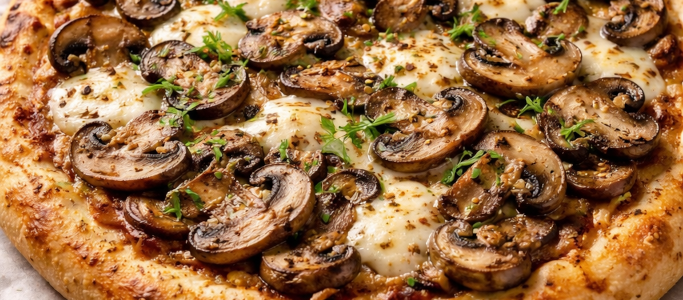
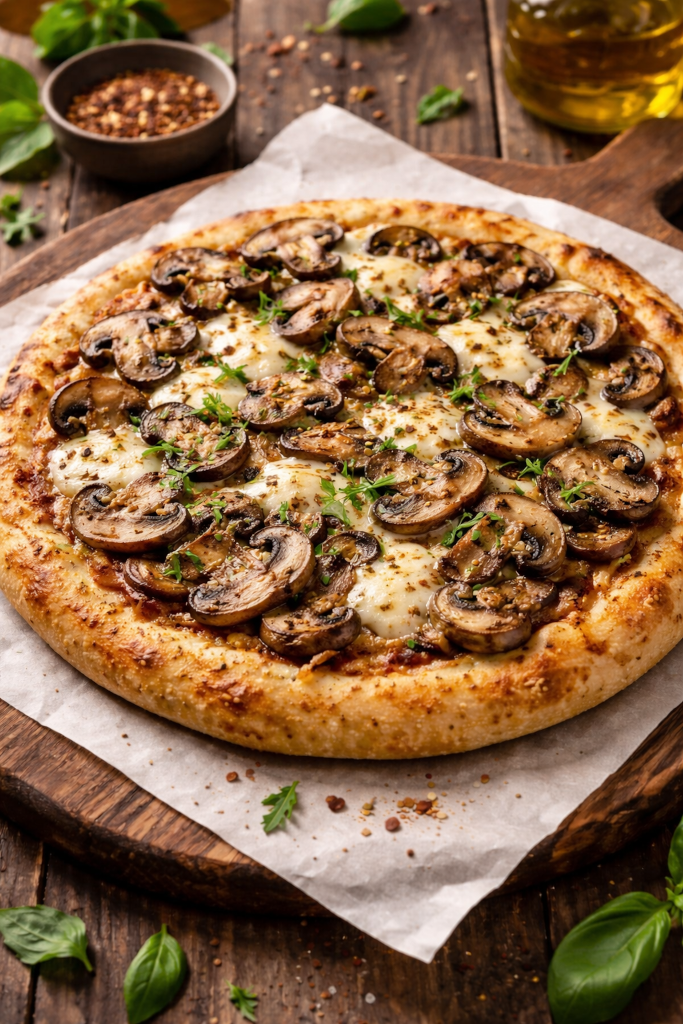
Pizza is one of those foods that lives at the crossroads of culture, comfort, and convenience. It shows up at celebrations, late nights, and family dinners. It’s also one of the first foods many people miss when they begin changing how they eat. That sense of loss matters. Food isn’t just fuel; it’s memory, routine, and connection. When people explore a lower-lectin approach, the goal isn’t deprivation… it’s adaptation.
Cassava flour pizza crust exists in that space. It’s not about pretending wheat never existed. It’s about understanding how certain foods interact with the body and finding alternatives that align better with how some people feel when lectin exposure is reduced.
To understand why a cassava-based crust makes sense, it helps to zoom out and look at how lectins show up in everyday foods and why modern processing has made that exposure more intense than most of us realize.
Lectins in the Modern Food Landscape
Lectins are carbohydrate-binding proteins found in many plants. They evolved as a defense mechanism, helping plants deter pests and predators. In nature, they serve a purpose. In the human diet, however, their role is more complicated.
Historically, human diets included lectins, but exposure was often moderated by traditional food preparation methods: soaking, fermenting, sprouting, and long cooking times. Modern food systems changed that balance. High-yield crops, rapid processing, and refined flours increased both the concentration and bioavailability of certain lectins, especially in grains and legumes.
Wheat, in particular, became a dietary staple not because it was uniquely nourishing, but because it was easy to store, transport, and industrialize. Modern wheat is not the same plant it was even a century ago. Breeding focused on yield and baking performance, not digestibility. As a result, many people report digestive discomfort, inflammation, or vague “food reactions” that don’t show up on standard allergy tests.
This doesn’t mean lectins are universally harmful. It does mean that sensitivity varies, and some people feel better when exposure is reduced, especially when gut integrity is already compromised.
Why Pizza Crust Is Often the Problem
When people say pizza doesn’t agree with them, the toppings often get blamed: cheese, tomato sauce, or oils. But for many, the real issue is the crust.
Traditional pizza crust is made from refined wheat flour. Refining strips away fiber and micronutrients while concentrating starches and proteins, including lectins. Baking does reduce some lectin activity, but it does not eliminate it entirely. For individuals who are sensitive, even small amounts can be enough to trigger symptoms.
What makes pizza especially tricky is frequency. It’s rarely eaten once with leftovers, weekly pizza nights, frozen pizzas. Repetition matters. Lectin exposure is cumulative, and the body doesn’t always react immediately. This delayed feedback loop is one reason people struggle to identify food triggers.
A cassava flour crust changes that equation.
Cassava: A Root with a Different Story
Cassava is a starchy root vegetable native to South America and widely consumed in Africa, Asia, and parts of the Caribbean. Unlike grains, cassava does not rely on lectins as a primary defense mechanism. When properly processed, cassava flour is considered low-lectin compared to wheat-based flours.
It’s important to clarify something here: cassava must be processed correctly. Raw cassava contains naturally occurring compounds that can be harmful if consumed improperly. Commercial cassava flour is peeled, dried, and milled in a way that removes these compounds, making it safe for consumption.
From a culinary standpoint, cassava flour behaves differently than wheat. It doesn’t form gluten, so it won’t stretch or rise the same way. But with the right technique, it can create a crust that is sturdy, crisp on the outside, and satisfying enough to carry toppings without falling apart.
Lower-Lectin Eating Is About Pattern, Not Perfection
One of the biggest misconceptions about lower-lectin living is that it requires rigid rules. In reality, it’s more about recognizing patterns and responding thoughtfully.
For some people, reducing lectins improves digestion, joint comfort, skin health, or energy levels. For others, the effects are subtle or context-dependent. Stress, sleep, and overall diet quality all influence how the body responds.
Pizza made with a cassava flour crust isn’t a “health food” in the moral sense. It’s a strategic substitution. It allows people to enjoy a familiar meal without stacking multiple potential irritants into a single dish. That matters psychologically as much as physiologically.
Cooking Methods Still Matter
Even with lower-lectin ingredients, preparation matters. Heat, moisture, and time all influence how foods interact with the digestive system.
A well-baked cassava crust is easier to digest than an undercooked one. Par-baking the crust before adding toppings improves texture and reduces gumminess. Using simple, whole-food toppings with pressure-cooked tomato sauce, fermented dairy, or well-cooked vegetables, keeps the meal aligned with a lower-lectin approach overall.
This is where modern tools meet traditional wisdom. We don’t need to abandon convenience, but we do benefit from slowing down certain steps that digestion depends on.
Cassava Flour Pizza Crust Recipe
This crust is designed to be practical, not precious. It holds up under toppings, crisps well, and works in a standard home oven.
Ingredients
- 2 cups cassava flour
- 2 tablespoons olive oil
- 1 teaspoon sea salt
- 1 teaspoon baking powder (aluminum-free)
- ¾ to 1 cup warm water
Directions
- In a large bowl, combine the cassava flour, salt, and baking powder. Stir to distribute evenly. Add the olive oil and begin mixing with a spoon or your hands. Slowly add warm water, a little at a time, until a soft, pliable dough forms. Cassava flour absorbs moisture quickly, so pause between additions.
- Knead the dough gently for one to two minutes. It should be smooth and slightly elastic, but not sticky. If it cracks, add a tablespoon of water. If it feels wet, dust lightly with more flour.
- Place the dough between two sheets of parchment paper and roll it into a circle or rectangle about ¼ inch thick. Transfer the dough, parchment and all, onto a baking sheet.
- Preheat the oven to 425°F (218°C). Bake the crust for 12-15 minutes, until the edges begin to firm and lightly color. Remove from the oven, add toppings, and return to the oven for another 8-10 minutes until fully cooked.
- Let the pizza rest for a few minutes before slicing. This helps the structure set and improves texture.
How This Fits into a Low-Lectin Lifestyle
A cassava flour crust doesn’t eliminate every variable, but it removes one of the most common pressure points: modern wheat. For many people, that alone is enough to make pizza feel like food again instead of a gamble.
Lower-lectin living is not about chasing purity. It’s about reducing friction between what we eat and how our bodies respond. When meals feel predictable instead of reactive, people regain confidence in their food choices.
Pizza, of all things, becomes proof that dietary change doesn’t have to mean giving things up. It can mean rebuilding them in ways that work better now than they did before.
Closing Thoughts
Food systems changed faster than human biology. Lectins are part of that story, not as villains, but as signals or reminders that preparation, sourcing, and context matter.
A cassava flour pizza crust won’t solve every digestive issue. But it represents something bigger: the idea that understanding food at a deeper level allows us to make smarter substitutions without losing the joy of eating.
That balance between science and lived experience, between tradition and adaptation is what sustainable, lower-lectin living is really about.