

A Low-Lectin Dessert That Shows How Simple Ingredients Can Work With Your Body
Dessert is often the place where people feel the most conflicted when they begin exploring a low-lectin lifestyle. Sweet foods are comforting. They carry memories of celebrations, family gatherings, and small moments of indulgence after a long day. Yet many traditional desserts rely on ingredients that can be difficult for some people to digest, especially those who are already dealing with gut irritation, inflammation, or food sensitivities.
Wheat flours, certain nuts, high-lectin fruits, and even some thickening agents can introduce compounds that sensitive individuals prefer to limit. That does not mean dessert needs to disappear entirely. In fact, some of the most satisfying low-lectin desserts come from surprisingly simple ingredients that have been used in traditional cuisines for generations.
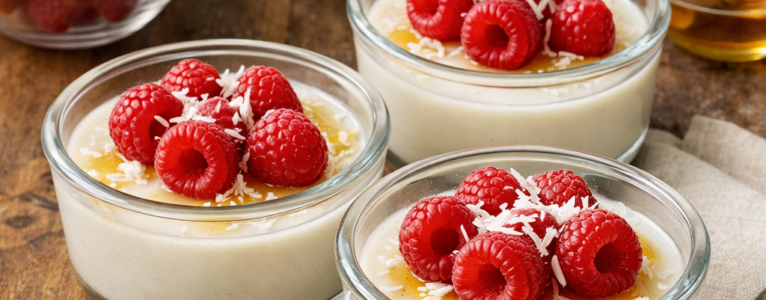
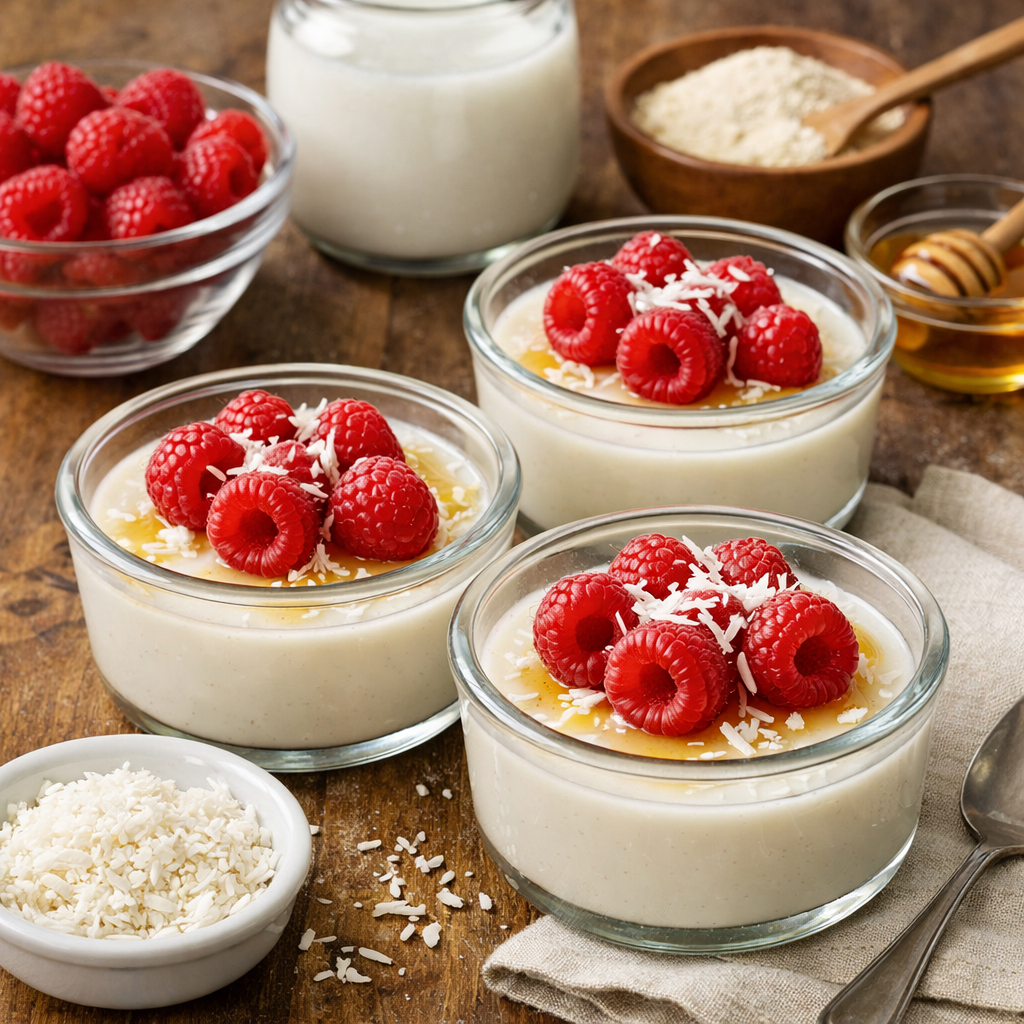
Coconut milk panna cotta is one of those recipes. It is elegant without being complicated, gentle on digestion for many people, and built around ingredients that align well with a lectin-aware approach to eating. When topped with fresh raspberries, the result is a dessert that feels indulgent while still respecting the principles of reducing dietary lectins.
Understanding why this recipe works so well begins with a closer look at lectins themselves and how thoughtful ingredient choices can make a meaningful difference.
Understanding Lectins in Everyday Foods
Lectins are naturally occurring proteins found in many plants. Their primary purpose is defensive. Plants cannot run away from insects, animals, or environmental threats, so they rely on chemical defenses to discourage predators. Lectins are one of those defenses.
These proteins can bind to carbohydrates and biological surfaces, which allows them to interact with the digestive tract in ways that vary from person to person. For most people, many lectins are neutralized through cooking or digestion. However, certain individuals find that a high intake of lectin-rich foods may contribute to digestive discomfort, bloating, or inflammation.
The modern food system adds another layer to this discussion. Many foods are consumed in forms that skip traditional preparation techniques such as soaking, fermenting, sprouting, or pressure cooking. These methods historically helped reduce compounds like lectins before foods were eaten.
A low-lectin approach does not mean eliminating all plant foods. Instead, it focuses on understanding where lectins tend to concentrate and using preparation techniques or ingredient swaps that make meals easier on the body. Desserts can be a perfect place to apply this philosophy.
Why Coconut Milk Is a Helpful Ingredient in Low-Lectin Cooking
Coconut milk plays a central role in this panna cotta recipe, and for good reason. Unlike many traditional dairy products or plant milks made from legumes and grains, coconut is relatively low in lectins.
Coconut comes from the seed of a tropical palm tree, but its composition differs significantly from many common plant foods that contain higher lectin concentrations. Instead of relying on starch and storage proteins that plants often defend with lectins, coconut meat is rich in fats, particularly medium-chain triglycerides.
These fats are metabolized differently from many other dietary fats and are often easier for the body to process. Coconut milk also provides a creamy texture that mimics traditional dairy cream, which makes it a versatile ingredient for sauces, soups, and desserts.
For people who are reducing lectins while also avoiding dairy or limiting lactose, coconut milk offers a satisfying alternative that feels indulgent rather than restrictive.
The Role of Gelatin in Traditional Desserts
Panna cotta originates from Italy, where the name literally means “cooked cream.” The dessert traditionally relies on gelatin to achieve its signature silky texture.
Gelatin is derived from collagen found in animal connective tissue. When dissolved in warm liquid and then cooled, it forms a delicate structure that traps moisture and creates the smooth, slightly jiggly consistency that panna cotta is known for.
From a lectin perspective, gelatin is naturally free of plant lectins because it comes from animal sources. It also contributes amino acids like glycine and proline, which are involved in supporting connective tissue and may play a role in gut health.
This combination of coconut milk and gelatin creates a dessert base that is both simple and compatible with many low-lectin dietary strategies.
Why Berries Often Fit Into a Low-Lectin Lifestyle
Fruit choices can sometimes feel confusing for people exploring lectin awareness. While fruits contain beneficial nutrients and antioxidants, certain fruits also contain compounds in their skins or seeds that may be irritating for sensitive individuals.
Berries are often considered a friendlier option.
Raspberries, strawberries, blueberries, and blackberries tend to contain lower lectin levels than many other fruits. They are also rich in polyphenols, vitamin C, and fiber. These compounds support antioxidant activity and contribute to the diverse microbial environment within the gut.
Raspberries in particular bring a bright balance of sweetness and tartness that pairs beautifully with creamy desserts. Their vibrant color also adds visual appeal, transforming a simple panna cotta into something that looks worthy of a restaurant table.
The Simplicity of Traditional Food Wisdom
Many traditional cuisines include desserts that rely on a short list of ingredients. Cream, eggs, fruit, and natural sweeteners appear again and again across cultures.
This simplicity is not accidental. When foods contain fewer ingredients, it becomes easier to identify how those ingredients interact with the body.
A coconut milk panna cotta with fresh raspberries reflects that same philosophy. Instead of a long ingredient list filled with stabilizers, artificial flavors, or refined flours, the recipe focuses on whole foods that each serve a clear purpose.
- The coconut milk provides richness.
- The gelatin creates structure.
- A touch of natural sweetener adds balance.
- Raspberries contribute brightness and freshness.
When these elements come together, the result is both satisfying and gentle.
Coconut Milk Panna Cotta with Fresh Raspberries (A Low-Lectin Friendly Dessert)
Ingredients
For the panna cotta:
- 2 cups full-fat coconut milk
- 2 teaspoons grass-fed gelatin powder
- 3 tablespoons honey or maple syrup
- 1 teaspoon vanilla extract
- Pinch of sea salt
For the topping:
- 1 cup fresh raspberries
- Optional drizzle of additional honey
- Optional shredded unsweetened coconut
Instructions
- Bloom the gelatin – In a small bowl, sprinkle the gelatin powder over 3 tablespoons of cool water. Let it sit for about 5 minutes. This allows the gelatin to hydrate and prevents clumping later.
- Warm the coconut milk – Pour the coconut milk into a small saucepan. Heat it over medium-low heat until it is warm but not boiling.
- Dissolve the gelatin – Add the bloomed gelatin to the warm coconut milk. Stir gently until the gelatin fully dissolves.
- Add flavor – Stir in the honey or maple syrup, vanilla extract, and a small pinch of sea salt.
- Pour and chill – Pour the mixture into small ramekins, glass jars, or dessert cups. Refrigerate for at least 3 to 4 hours until the panna cotta is fully set.
- Add raspberries before serving – Top each serving with fresh raspberries. If desired, add a light drizzle of honey or a sprinkle of shredded coconut.
The final texture should be creamy and softly set, with the bright raspberries balancing the richness of the coconut milk.
How This Dessert Fits Into a Lectin-Aware Lifestyle
What makes this recipe particularly appealing is that it demonstrates how enjoyable food does not have to disappear when someone begins paying attention to lectins. Instead of focusing on restriction, the recipe highlights substitution and balance.
Traditional panna cotta uses dairy cream. Coconut milk provides a similar richness while remaining compatible with many low-lectin strategies. Many desserts rely on wheat flour or nut flours that may contain lectins or require special preparation. This recipe skips flour entirely.
Fruit toppings often include syrups or high-sugar sauces. Fresh raspberries bring natural sweetness and antioxidants without overwhelming the dessert. These small decisions add up to a dish that satisfies the desire for something sweet while still respecting the goal of minimizing potential dietary irritants.
The Psychological Side of Food Changes
One of the most overlooked parts of changing how we eat is emotional. Food carries memories and traditions. When people begin exploring a low-lectin lifestyle, they sometimes fear that favorite foods will vanish completely. Recipes like this help bridge that emotional gap.
A dessert that looks elegant, tastes indulgent, and requires only a handful of ingredients can shift how people view dietary changes. Instead of feeling like a list of forbidden foods, the lifestyle begins to look like a new collection of possibilities.
That shift in perspective often makes long-term habits much easier to maintain.
Listening to Your Own Body
Lectin research continues to evolve, and individual responses to foods can vary widely. Some people tolerate lectin-containing foods without any noticeable issues, while others find that reducing certain foods dramatically improves their digestive comfort. The goal of a lectin-aware lifestyle is not rigid perfection. It is curiosity and observation.
By paying attention to how foods make you feel, you begin to identify patterns that are unique to your own body. For some individuals, that might mean avoiding certain legumes or nightshades. For others, it may simply involve preparing foods differently or choosing lower-lectin ingredients more often.
A recipe like coconut milk panna cotta with raspberries fits beautifully into that flexible approach. It is simple, nourishing, and easy to adapt.
A Dessert That Reflects a Larger Philosophy
At its heart, a low-lectin lifestyle is less about eliminating foods and more about rediscovering the wisdom of ingredient choices and preparation methods.
- Traditional cooking techniques.
- Whole ingredients.
- Balanced meals.
These ideas have existed for centuries, long before modern nutrition science began studying the details. A bowl of silky coconut panna cotta topped with bright raspberries may seem like a small thing, but it reflects a much larger philosophy. Food should nourish the body, delight the senses, and bring a sense of calm rather than conflict.
Sometimes the most powerful dietary changes begin with simple recipes that quietly prove how satisfying that balance can be.