

Smoothies have earned a reputation as one of the simplest ways to improve a diet. They are quick, customizable, and easy to digest. For many people, a blender has become the modern shortcut to eating more whole foods. But when someone begins exploring a low-lectin lifestyle, the smoothie world can suddenly become confusing.
Many of the most common smoothie ingredients are foods that appear frequently in lectin discussions. Raw spinach, certain seeds, legumes, and many grains often find their way into popular smoothie recipes. Even ingredients that sound healthy on paper can sometimes cause digestive discomfort for people who are sensitive to lectins or who are trying to calm an irritated gut.
That does not mean smoothies need to disappear from the menu. In fact, when built thoughtfully, smoothies can become one of the most flexible and gut friendly tools in a low-lectin kitchen. The key is understanding how lectins work in foods and how ingredient choices influence digestion.
Once that foundation is clear, building a low-lectin smoothie becomes less about restriction and more about smart design.
Why Smoothies Deserve a Place in a Low-Lectin Lifestyle
One of the interesting aspects of smoothies is that they bypass part of the digestive workload. Blending mechanically breaks down plant cell walls before the food even reaches the stomach. That means nutrients are often absorbed more quickly, and the digestive system does not need to work as hard to break down fibrous structures.
For people whose digestive systems feel irritated or sensitive, that can be helpful.
However, the same property that makes smoothies easy to digest can also amplify ingredients that do not agree with someone. If a smoothie is packed with foods that contain higher lectin levels, those compounds may reach the digestive tract in a concentrated form.
That is why the ingredient list matters more than the blending process itself. A low-lectin smoothie focuses on foods that are naturally lower in lectins or that are prepared in ways that reduce lectin activity. Fortunately, there are many such ingredients.
A Quick Refresher on Lectins
Lectins are proteins found in many plants. Their defining trait is their ability to bind to carbohydrates. Plants produce them for several reasons, including defense against pests and environmental stress.
In humans, lectins pass through the digestive system like many other dietary proteins. Most are broken down during cooking or digestion. Some remain partially intact and can interact with the lining of the gut.
For most people eating a balanced diet, lectins are simply part of normal plant chemistry. But certain individuals report digestive discomfort or inflammatory symptoms when consuming foods that contain higher concentrations of active lectins.
Research over the past few decades has shown that lectin activity can change dramatically depending on how food is prepared. Pressure cooking, fermentation, soaking, peeling, and removing seeds can reduce lectin exposure in many foods.
The same principle applies to smoothies. Ingredient selection determines whether the finished drink is gentle or irritating.
Ingredients That Work Well in Low-Lectin Smoothies
When designing a smoothie for a low-lectin approach, the goal is to start with ingredients that are generally well tolerated and nutritionally supportive.
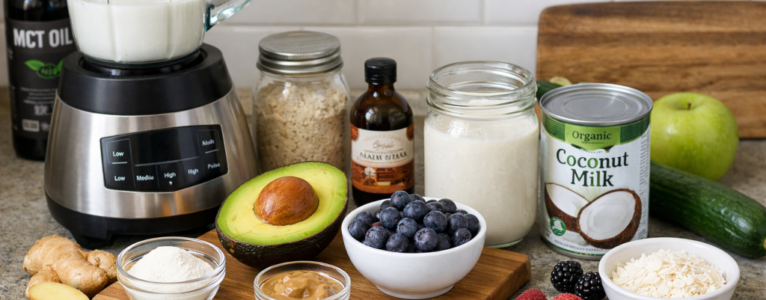
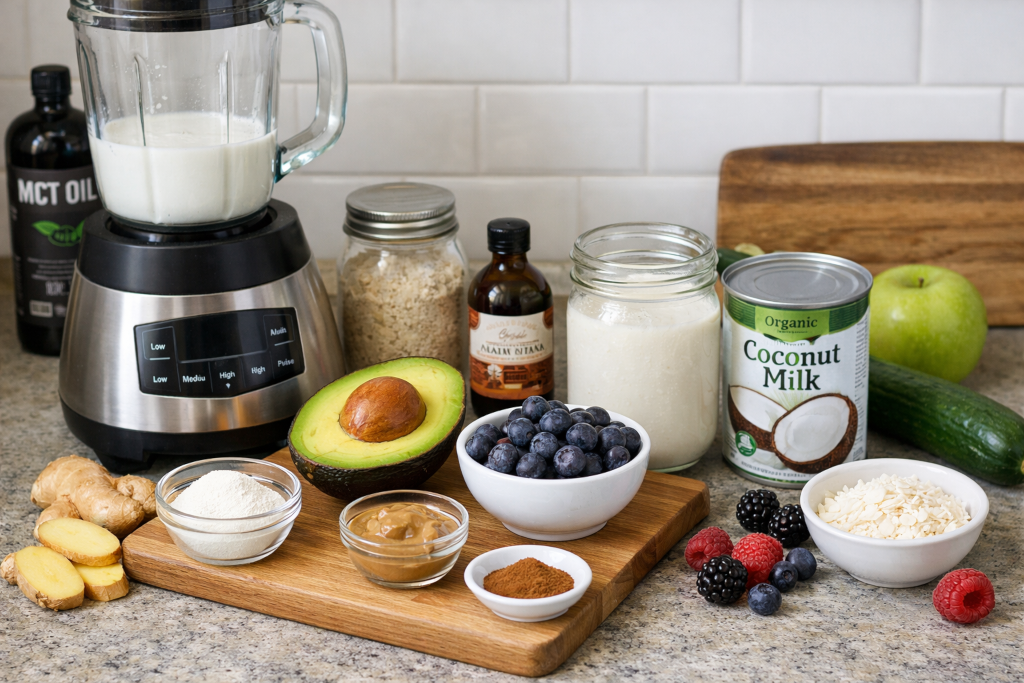
Several categories stand out. Low-lectin fruits often form the flavor base. Options like blueberries, raspberries, blackberries, and peeled apples provide antioxidants, natural sweetness, and fiber without the lectin concerns associated with some legumes or grains.
Healthy fats can transform a smoothie from a sugary drink into a balanced meal. Avocado, coconut milk, and coconut cream provide creaminess while supporting satiety.
Protein sources help stabilize blood sugar. Collagen peptides, clean whey protein isolates, or certain low-lectin nut butters can work well depending on personal tolerance.
Flavor enhancers such as cinnamon, vanilla, cacao, or ginger add depth without complicating digestion.
Leafy greens often appear in smoothies, but some people exploring low-lectin eating choose to avoid raw spinach and similar ingredients. Instead, alternatives such as peeled cucumber, zucchini, or small amounts of romaine lettuce can provide freshness without overwhelming the drink.
The result is a smoothie that feels familiar but avoids many ingredients that commonly trigger lectin discussions.
The Hidden Trap of “Healthy” Smoothies
Many commercially promoted smoothies rely on ingredients that look impressive in a nutrition headline. Raw kale piles, handfuls of seeds, soy protein powders, and thick spoonfuls of peanut butter often dominate these recipes.
None of these ingredients are inherently harmful, but they illustrate an important point. Health trends sometimes prioritize novelty over digestion. Legumes such as peanuts and soy contain lectins that are largely neutralized by proper cooking, but in raw or lightly processed forms they may still contain biologically active proteins.
Similarly, certain seeds and grains can introduce compounds that some people find irritating when consumed daily in concentrated amounts. A low-lectin smoothie approach simply asks a practical question.
Does the drink support digestion or challenge it? When the goal is gut calm and metabolic balance, simpler ingredient lists often win.
Balancing a Smoothie for Energy and Stability
A smoothie that is built only from fruit may taste delicious, but it often causes a rapid rise in blood sugar followed by an energy crash. Balancing macronutrients can prevent that cycle.
A useful framework includes three elements.
- Natural carbohydrates from fruit
- Protein for stability
- Healthy fats for satiety
This combination slows digestion and provides a more sustained release of energy.
Fiber also plays a role. Berries and avocado naturally provide soluble fiber, which supports gut microbes and moderates blood sugar responses. For many people, the result is a drink that feels more like a meal than a snack.
The Role of Texture and Temperature
Texture matters more than most people realize. A well-blended smoothie should feel creamy and smooth rather than watery or gritty. That texture signals that the ingredients have combined properly and that fats and fibers are evenly distributed.
Frozen fruit helps achieve this effect. Blueberries or raspberries that have been frozen create thickness without requiring ice, which can dilute flavor. Temperature also influences digestion. Very cold drinks may slow stomach emptying for some people. Others find cold smoothies refreshing and easy to tolerate.
Paying attention to how the body responds can guide adjustments.
A Simple Low-Lectin Smoothie Recipe
The following smoothie illustrates the principles described above. It focuses on low-lectin ingredients while providing balanced nutrition and a satisfying flavor.
Blueberry Coconut Gut-Friendly Smoothie
Ingredients
- 1 cup frozen blueberries
- ½ ripe avocado
- ¾ cup unsweetened coconut milk
- 1 scoop collagen peptides or clean whey isolate
- ½ teaspoon cinnamon
- ½ teaspoon vanilla extract
- Optional: small piece of fresh ginger for brightness
- Optional: a few ice cubes for extra thickness
Instructions
- Add all ingredients to a blender.
- Blend on high speed until completely smooth. If the mixture is too thick, add a small splash of coconut milk or water until the desired consistency is reached.
- Pour into a glass and enjoy immediately.
Why this works
- Blueberries provide antioxidants and natural sweetness. They are often well tolerated in low-lectin approaches.
- Avocado contributes creaminess, fiber, and healthy fats that slow digestion.
- Coconut milk adds additional fat while keeping the drink dairy-free for those who prefer it.
- Collagen peptides provide protein without introducing common plant lectins found in many protein powders.
- Cinnamon and vanilla enhance flavor while supporting metabolic balance.
The result is a smoothie that feels indulgent but is designed around digestive comfort.
Adapting Smoothies to Individual Tolerance
One of the most important lessons in nutrition is that individual responses vary. Some people tolerate certain lectin-containing foods without issue. Others notice clear improvements when those foods are reduced or prepared differently. Smoothies are easy to customize, which makes them ideal for experimentation.
If dairy works well, a high-quality yogurt or kefir may add beneficial probiotics. If dairy causes discomfort, coconut or almond based alternatives may be better.
Some people enjoy adding small amounts of cooked and cooled vegetables like zucchini for extra fiber. Others prefer a simpler fruit and protein combination. Listening to the body often provides more useful information than any universal rule.
The Bigger Picture of Low-Lectin Eating
Smoothies represent just one small part of a broader nutritional pattern.
A low-lectin lifestyle often focuses on cooking techniques that reduce lectin exposure, including pressure cooking beans, removing skins and seeds from certain vegetables, fermenting foods, and choosing ingredients that naturally contain lower lectin concentrations.
At the same time, modern nutrition research continues to explore how lectins interact with the gut microbiome, immune signaling, and metabolic health.
Scientists now recognize that the gut lining is an active interface between diet and the immune system. Compounds that interact with that interface can influence inflammation, microbial balance, and nutrient absorption.
That perspective helps explain why some people notice dramatic digestive improvements when they adjust how they prepare certain foods. It also explains why others experience little change. Human biology is wonderfully diverse.
A Blender as a Tool for Food Awareness
One unexpected benefit of making smoothies at home is the awareness it brings to ingredient choices. When someone measures blueberries, slices avocado, and pours coconut milk into a blender, they see exactly what goes into the drink.
There are no hidden stabilizers, emulsifiers, or syrups. That transparency can shift the way people think about nutrition.
A smoothie stops being a mysterious health trend and becomes a simple combination of recognizable foods. For many people exploring a low-lectin lifestyle, that shift toward whole ingredients becomes the most valuable lesson of all.
The Quiet Power of Small Dietary Changes
The idea behind a low-lectin smoothie is not perfection. It is simply the practice of making choices that support digestion and energy. For some people, that may mean replacing a sugary breakfast drink with a balanced smoothie.
For others, it may mean experimenting with ingredients that feel gentler on the stomach. These adjustments are small, but their effects can accumulate over time. Energy becomes steadier. Digestion becomes calmer. Meals feel less like a gamble and more like nourishment. In the end, the blender becomes more than a kitchen appliance.
It becomes a small laboratory for understanding how food interacts with the body. And sometimes the simplest drink in the world can quietly teach us how to eat better.