

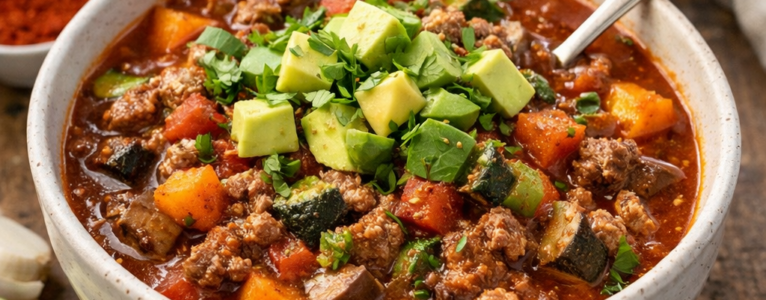
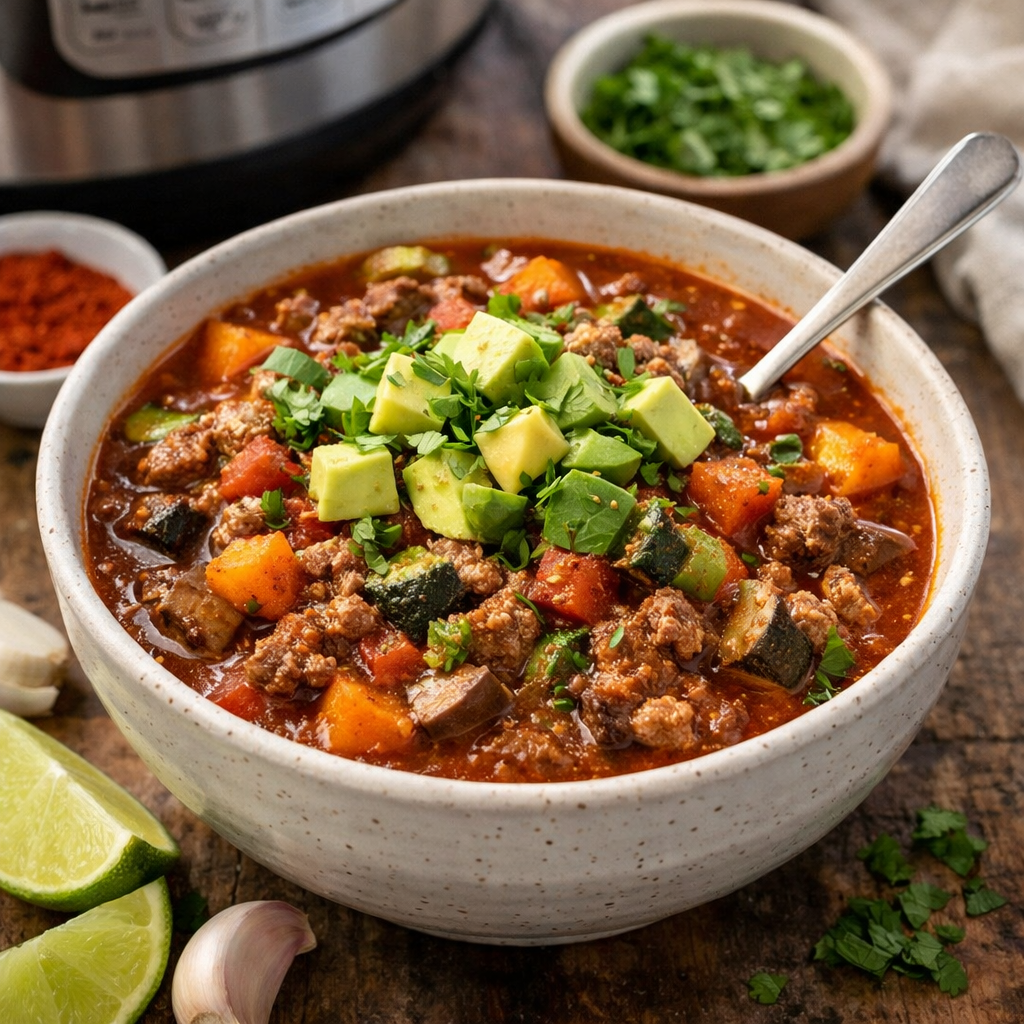
There is something almost sacred about a pot of chili simmering on the stove. It is hearty, communal, deeply satisfying. For many people, it is also built around ingredients that sit at the center of the lectin conversation: beans, tomatoes, and peppers. When someone begins a low-lectin lifestyle, chili is often one of the first dishes they assume they have to give up.
That assumption is understandable. Traditional chili depends heavily on legumes, especially kidney beans and black beans, which are known to contain lectins such as phytohemagglutinin. Raw or undercooked kidney beans contain particularly high levels of this lectin and can cause acute digestive distress. Proper boiling dramatically reduces that risk, which is why cooking instructions for dried kidney beans emphasize vigorous boiling for at least ten minutes before simmering.
But the story does not end there. Lectins are not inherently evil molecules. They are carbohydrate-binding proteins found in many plants. Some are heat sensitive and break down with cooking. Others are more resistant. The question is not whether lectins exist. They do. The question is how they interact with the human body, how much we consume, how we prepare them, and how our individual biology responds.
For people who notice bloating, joint discomfort, brain fog, or digestive irregularity after eating certain plant foods, adjusting preparation methods or ingredient choices can make a meaningful difference. That is where a white bean free, pressure-cooked chili enters the picture. It allows you to keep the comfort, the warmth, and the ritual, while reducing the lectin load that may be problematic for some.
What Modern Research Actually Says About Lectins
Lectins are found in legumes, grains, nightshades, seeds, and many other plant foods. In the scientific literature, they are studied for several reasons. Some lectins have been explored for their potential role in immune signaling, cell adhesion, and even cancer research. Others are examined because they can bind to the lining of the gut.
Certain lectins, especially in raw legumes, can be biologically active in ways that irritate the digestive tract. Phytohemagglutinin in raw kidney beans is a well documented example. Cases of food poisoning from undercooked beans are real and reported. Fortunately, proper cooking significantly reduces this risk.
Pressure cooking is one of the most effective methods for reducing lectin activity in legumes. High temperature combined with steam pressure denatures many lectin proteins more thoroughly than slow simmering alone. Studies on legumes show that pressure cooking reduces lectin content far more effectively than simple soaking or conventional boiling at lower temperatures.
However, it is also important to recognize that most people tolerate properly cooked legumes without obvious harm. Large population studies consistently associate legume consumption with longevity and metabolic health. That does not invalidate the experience of individuals who feel better reducing certain foods. It simply reminds us that nutrition is both universal and personal.
A low-lectin approach is not about fear. It is about observation. It is about noticing patterns in your own body and adjusting accordingly.
Why Remove the Beans in Chili at All?
If pressure cooking reduces lectins, why not just pressure cook beans and call it a day?
For some people, that works beautifully. For others, even well-cooked beans can contribute to bloating due to fermentable carbohydrates such as oligosaccharides. These are not lectins. They are fibers that feed gut bacteria. For some microbiomes, that fermentation is comfortable. For others, especially those healing from gut imbalance, it can feel overwhelming.
There is also the cumulative factor. If your diet already includes grains, nuts, seeds, and nightshades, reducing legumes in one dish may lower the overall burden. Many people find that rotating high-lectin foods rather than eliminating them entirely creates a more sustainable rhythm.
A white bean free chili keeps the spirit of the dish while sidestepping one of its highest lectin components.
Rethinking the Foundation: Building Body Without Legumes
When you remove beans from chili, you remove bulk, texture, and starch. To replace them, we turn to ingredients that are generally considered lower in lectins and easier on digestion for many people.
Options include:
- Grass-fed ground beef or pasture-raised turkey
- Diced zucchini
- Chopped mushrooms
- Pressure-cooked lentils that are well tolerated, if included in small amounts
- Sweet potatoes, peeled and cubed
- Cauliflower rice for thickness
Mushrooms are fungi, not plants, and do not contain plant lectins. Zucchini contains relatively low levels compared to many legumes and grains, especially when cooked. Sweet potatoes, when peeled and cooked thoroughly, are generally well tolerated in moderate amounts.
Tomatoes and peppers are nightshades, which contain their own lectin-like proteins. Many people tolerate cooked, deseeded, and peeled forms better than raw. If you are particularly sensitive, you can reduce or eliminate them and rely more heavily on herbs, garlic, and warming spices.
Low-Lectin Pressure-Cooked White Bean–Free Chili
Ingredients
- 1.5 pounds grass-fed ground beef or pasture-raised turkey
- 1 tablespoon avocado oil or extra virgin olive oil
- 1 medium onion, finely chopped
- 3 cloves garlic, minced
- 1 zucchini, diced
- 1 cup chopped mushrooms
- 1 medium sweet potato, peeled and cubed
- 1 cup crushed tomatoes, preferably peeled and seedless
- 2 tablespoons tomato paste
- 2 cups homemade bone broth or low sodium broth
- 1 tablespoon chili powder
- 1 teaspoon ground cumin
- 1 teaspoon smoked paprika
- 1 teaspoon dried oregano
- 1 teaspoon sea salt, adjust to taste
- Fresh cilantro for garnish
- Optional: diced avocado for serving
Instructions
- Set your pressure cooker to sauté mode. Add the oil and brown the ground meat, breaking it into small pieces. Cook until no pink remains. Remove excess fat if necessary.
- Add onion and garlic. Sauté for two to three minutes until fragrant.
- Stir in zucchini, mushrooms, and sweet potato.
- Add crushed tomatoes, tomato paste, broth, and all spices. Stir thoroughly.
- Secure the lid and cook on high pressure for 15 minutes.
- Allow a natural pressure release for 10 minutes, then carefully vent remaining pressure.
- Taste and adjust seasoning. Garnish with cilantro and avocado if desired.
The pressure cooking step is not just about speed. It enhances tenderness, integrates flavors deeply, and may further denature heat-sensitive lectin proteins in the tomato component.
Ingredient-Level Tips for a Lower Lectin Profile
Choosing the right ingredients matters as much as how you cook them.
Meat quality: Grass-fed and pasture-raised meats often contain a different fatty acid profile compared to conventionally raised meat. This does not relate directly to lectins, but it supports overall anti-inflammatory goals.
Tomatoes: If using tomatoes, opt for peeled and deseeded versions. The skin and seeds contain higher concentrations of certain compounds. Cooking them thoroughly is key.
Sweet potatoes: Always peel them. The skin can contain higher concentrations of certain plant compounds that may irritate sensitive individuals.
Spices: Most dried spices are used in small amounts and are unlikely to contribute significantly to lectin intake. If you are extremely sensitive, introduce new spice blends slowly.
Broth: Homemade bone broth adds body and minerals without introducing plant lectins. It also contributes collagen and gelatin, which may support gut lining integrity in some individuals.
The Bigger Picture: Cooking as a Biological Tool
Traditional cultures soaked, sprouted, fermented, and pressure cooked long before modern nutrition science identified lectins. These methods were not based on protein chemistry textbooks. They were based on experience.
When you pressure cook, you are applying both heat and pressure that alter protein structure. Proteins are three-dimensional molecules. When exposed to high heat, their shape changes. That shape determines how they bind to other molecules. Denaturing a lectin changes its binding capacity.
This is why raw kidney beans can cause severe symptoms, yet properly cooked beans are widely consumed around the world with no epidemic of lectin poisoning. The goal is not perfection. It is reduction of risk and improvement of tolerance.
Listening to the Body
If you prepare this white bean free chili and feel lighter afterward, that is valuable information. If you reintroduce a small portion of pressure-cooked lentils in the future and feel fine, that is also valuable.
Modern nutrition research increasingly acknowledges bio-individuality. Genetic variation, microbiome composition, immune history, and even stress levels influence how we respond to food.
Stress itself can alter gut permeability. Sleep quality can influence inflammatory signaling. Movement improves circulation and digestive motility. A low-lectin lifestyle, when done thoughtfully, is not just about subtracting foods. It is about supporting the entire system.
Sustainable Comfort
Chili is comfort food. Comfort matters. Food is not only biochemistry. It is culture, memory, warmth, and connection. A white bean free version does not represent deprivation. It represents adaptation. It allows you to sit at the table with a steaming bowl and feel both nourished and aligned with your personal health goals.
Modern lectin research does not demand extreme elimination for everyone. It encourages proper preparation and awareness. For those who suspect sensitivity, strategic reduction can be a powerful experiment. A pressure cooker becomes more than a kitchen appliance. It becomes a bridge between traditional wisdom and contemporary science. And that bridge can hold a pot of chili.