A dried kidney bean undergoes considerable physical and chemical changes between the time it leaves the pantry and the moment it becomes part of a meal. Water penetrates its outer layers, starch granules absorb moisture, plant tissues soften, and proteins change structure as the temperature rises. Among the proteins affected by these processes are lectins, some of which can cause significant gastrointestinal illness when the beans are inadequately prepared.
Understanding how food preparation changes lectin activity offers considerable practical value to anyone following a low-lectin lifestyle. It provides opportunities to reconsider ingredients that might otherwise be excluded, experiment with different cooking techniques, and maintain greater nutritional variety. However, the effectiveness of each method depends on the particular food, the characteristics of its lectins, and the conditions under which preparation takes place.
Pressure cooking, boiling, soaking, fermentation, sprouting, peeling, and deseeding all influence food composition through different mechanisms. Some have substantial scientific evidence supporting their ability to reduce particular lectins, while others are better understood as culinary practices whose effects on lectin activity require further investigation.
What Happens to Lectins During Cooking?
Lectins are proteins with three-dimensional structures that allow them to recognize and bind to particular carbohydrates. Their biological activity depends partly on maintaining the shape and chemical characteristics of their carbohydrate-binding regions. Altering those structures can interfere with the protein’s ability to perform its original biological function.
When proteins are exposed to sufficient heat, the forces maintaining their folded structures can begin to change. This process, known as denaturation, may cause a protein to unfold, rearrange, or lose some of its biological activity. The protein does not necessarily disappear from the food, but its ability to interact with particular carbohydrate structures may be reduced or eliminated.
An everyday example of protein denaturation occurs when an egg white changes from a translucent liquid into an opaque solid during cooking. Although lectins behave differently from egg proteins, the example illustrates how heat can substantially alter a protein’s physical and biological properties without removing it from the food.
Moisture, temperature, acidity, and processing duration all influence these changes. Some lectins are relatively susceptible to moist heat, while others possess structural characteristics that make them more resistant to particular processing conditions.
The European Food Safety Authority’s January 2026 scientific assessment of plant lectins in food examined numerous studies investigating thermal and nonthermal processing methods. Across much of the research involving legumes, soaking followed by sufficient heat treatment produced substantial reductions in measured lectin activity. However, differences among plant species, processing conditions, and laboratory measurement techniques prevented researchers from establishing a single reduction percentage applicable to every food.
This distinction explains why low-lectin cooking generally focuses on reducing exposure to biologically active lectins rather than attempting to remove every trace of lectin protein.
Pressure Cooking: Combining Moisture, Temperature, and Time
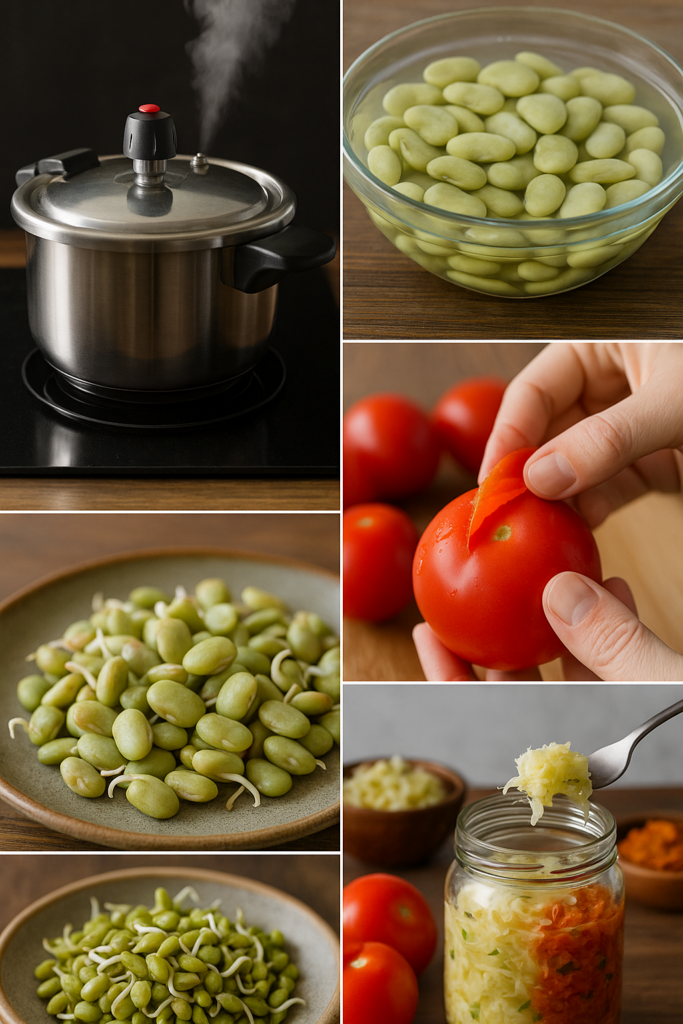
Pressure cooking is particularly useful for preparing dense ingredients such as dried beans and legumes. These foods require sufficient hydration and heat penetration to transform their internal structure, and a pressure cooker creates conditions that can accomplish this efficiently.
Under ordinary atmospheric pressure at sea level, water boils at approximately 212°F (100°C). Increasing the pressure inside a sealed cooking vessel raises the boiling point of water, allowing the contents to reach temperatures above those achieved through conventional boiling. Both hot water and steam transfer heat into the ingredients as cooking progresses.
These elevated temperatures can accelerate protein denaturation, starch gelatinization, and the softening of plant tissues. Pressure cooking therefore changes several characteristics of food simultaneously, including some that influence digestibility and others that determine texture.
Why Pressure Cooking Is Particularly Useful for Legumes
Beans contain proteins, starches, fiber, and several compounds that may influence digestion. Among them is phytohemagglutinin, commonly abbreviated as PHA, which presents a documented food-safety concern in raw or inadequately cooked kidney beans.
Research summarized in the EFSA assessment demonstrates that pressure-assisted heat treatment can substantially reduce lectin activity in several legumes. Its effectiveness depends on sufficient temperature, moisture, and processing duration rather than pressure acting independently on the protein.
For practical cooking purposes, this means the selected program must be appropriate for the ingredient. A short pressure-cooking cycle designed for tender vegetables should not be assumed sufficient for preparing dried kidney beans. Bean variety, hydration, equipment design, and operating pressure can all influence the conditions experienced inside the food.
Electric multicookers and stovetop pressure cookers may also operate at different pressures and temperatures. Their heating cycles, pressure regulation, and release procedures can differ, making cooking times dependent on the equipment being used. Our comparison of Instant Pot and stovetop pressure cookers explores these equipment differences in greater detail.
Pressure cooking is equally useful for preparing root vegetables, soups, stews, and many grains, although its culinary advantages should be distinguished from its demonstrated effects on lectins. A pressure-cooked tomato sauce, for example, may develop a desirable texture and flavor, but research has not established that every such preparation achieves a predictable level of lectin reduction.
Boiling: An Established Method With Important Safety Applications
Conventional boiling remains one of the most extensively documented methods for reducing lectin activity in certain foods. Its effectiveness is particularly well established for phytohemagglutinin in kidney beans, provided the beans receive adequate preparation and sufficient exposure to boiling temperatures.
The U.S. Food and Drug Administration’s guidance on naturally occurring food toxins recommends soaking dried kidney beans for at least five hours and subsequently boiling them in fresh water for a minimum of 30 minutes. Commercially canned kidney beans have already received sufficient heat processing to address this concern.
For home preparation of dried kidney beans, the FDA guidance provides a straightforward procedure:
1. Sort and rinse the dried beans before soaking.
2. Soak them in water for at least five hours.
3. Discard the soaking water and replace it with fresh water.
4. Bring the beans to a boil and maintain boiling for at least 30 minutes.
5. Continue cooking as necessary until the beans are fully tender.
These recommendations specifically address a documented foodborne hazard. They should not be interpreted as a universal cooking schedule for every legume, grain, or vegetable.
Boiling also affects other food components, including starches and certain digestive enzyme inhibitors. Water-soluble compounds may migrate into the cooking liquid, while plant tissues soften as their internal structure changes.
The difference between boiling and gentle simmering becomes relevant when preparing ingredients with specific heat-treatment requirements. Simmering provides an excellent way to finish soups, stews, and already adequately processed beans. It should not replace the initial boiling stage required for safely preparing dried kidney beans.
Soaking: Preparing Dense Ingredients for Effective Cooking
Soaking dried legumes serves several practical purposes before they are exposed to heat. As the seeds absorb water, their internal tissues hydrate, allowing them to soften more evenly during subsequent cooking. This can shorten cooking times and reduce the likelihood of beans developing an overly soft exterior while remaining firm in the center.
Some water-soluble food constituents can also migrate into the soaking liquid. Discarding this water may therefore change the composition of the food, although the extent depends on the compounds involved and the characteristics of the ingredient.
A 2021 food science study examining lectin activity in commonly consumed plant foods investigated the effects of soaking and boiling across several plant species. The researchers found substantial differences in initial lectin activity and in the effectiveness of preparation methods. They also identified limitations in the laboratory techniques used to compare lectin activity between different foods.
The research supports combining hydration with appropriate cooking while illustrating why soaking alone cannot be assigned a predictable reduction percentage. In practical terms, soaking is best understood as a preparation stage rather than a complete method for making potentially hazardous legumes safe.
Should You Add Vinegar, Salt, or Baking Soda?
Salt, baking soda, and acidic ingredients are sometimes added to soaking water for culinary reasons. Each can influence the behavior of plant tissues differently, but their usefulness should be evaluated separately from claims about lectin reduction.
Salt can influence hydration, seasoning, and the texture of cooked beans. Baking soda increases alkalinity and can accelerate softening, although excessive amounts may produce undesirable textures or flavors. Acidic ingredients behave differently and can interfere with the softening of certain legumes.
Colorado State University Extension’s guidance on cooking dried beans and other pulses explains that acidic ingredients such as tomatoes and lemon juice can prevent legumes from softening properly. Adding these ingredients after the beans become tender generally produces better culinary results.
There is insufficient evidence to recommend ordinary additions of vinegar, salt, or baking soda as reliable methods for substantially increasing lectin deactivation during soaking. Plain water followed by appropriate heat treatment remains a practical starting point, particularly when preparing beans with established food-safety requirements.
Fermentation: Changing Food Through Microbial Activity
Fermentation introduces a different set of chemical and biological processes into food preparation. Bacteria, yeasts, and other microorganisms metabolize available nutrients, producing organic acids and additional compounds that change the food’s composition, flavor, and physical characteristics.
Depending on the microorganisms involved, fermentation may alter certain proteins directly or change the surrounding conditions in ways that affect protein structure. Acidity, microbial enzyme activity, and changes in oxidation-reduction chemistry can all contribute to these processes.
The results vary considerably among fermented foods. Sourdough bread, sauerkraut, miso, tempeh, and yogurt involve different ingredients, microorganisms, preparation procedures, and subsequent processing.
What Sourdough Research Reveals About Wheat Lectins
Wheat germ agglutinin (WGA) provides a particularly interesting example of how fermentation can influence a dietary lectin. Its molecular structure contains chemical bonds that contribute to its stability, making its response to food processing a subject of scientific interest.
A 2021 study investigating the degradation of wheat germ agglutinin during sourdough fermentation examined how different strains of lactic acid bacteria affected WGA in whole wheat dough. Researchers measured reductions in WGA concentration and found that the characteristics of the microorganisms influenced the resulting changes.
Interestingly, adding additional protein-degrading enzymes did not produce a corresponding improvement in WGA reduction. The researchers identified changes in the chemical environment created by bacterial metabolism as a major contributor to the observed effects. These changes may also influence how WGA responds to subsequent baking.
This research provides a useful example of fermentation affecting a particular dietary lectin through mechanisms more complicated than microorganisms simply digesting the protein. However, it did not establish that consuming the resulting bread reduces inflammatory symptoms or improves digestive health specifically through WGA reduction.
Commercial and homemade sourdough products can vary considerably in flour composition, fermentation duration, starter cultures, and baking conditions. Ordinary wheat sourdough also remains unsuitable for people with celiac disease because fermentation does not reliably eliminate gluten.
Fermented Soybeans and Vegetables
Fermented soybean products such as tempeh, miso, and natto demonstrate how microbial processing can transform an ingredient. Their preparation may involve soaking, cooking, inoculation with selected microorganisms, and controlled fermentation. Several stages can contribute to changes in the original food proteins.
Fermented vegetables undergo different processes, commonly involving lactic acid bacteria and the development of an acidic environment. Although fermentation can change various plant constituents, the available evidence does not establish that every fermented vegetable experiences a substantial or predictable reduction in lectin activity.
Fermented foods should also not automatically be described as probiotics. Some contain living microorganisms when consumed, while others undergo cooking or processing that reduces microbial viability. The presence of living microorganisms alone does not establish a clinically demonstrated probiotic benefit.
For readers incorporating fermentation into their kitchen routines, our article on why fermentation works in a low-lectin lifestyle provides additional discussion of its culinary applications and dietary considerations.
Sprouting: How Germination Changes Seeds
Germination begins when a viable seed encounters conditions that support growth. Water absorption initiates biochemical activity, and enzymes begin converting stored nutrients into forms that support the developing plant.
These changes can influence starches, proteins, phytates, and other seed constituents. In certain legumes and grains, researchers have observed reductions in measured lectin activity during germination. However, the magnitude and direction of these changes depend on the plant species, environmental conditions, and stage of development.
A germinating seed does not simply abandon all of its chemical defenses. Developing seedlings remain vulnerable to insects, microorganisms, and other environmental threats, and their production of particular proteins can change as growth progresses.
Sprouting should therefore be considered a distinct processing technique with ingredient-specific effects. It cannot be assumed to eliminate active lectins, and it does not replace adequate cooking where heat treatment is necessary for food safety.
The Additional Food-Safety Considerations of Sprouting
The warm, moist conditions that encourage seed germination also provide favorable conditions for the growth of harmful microorganisms. Seeds contaminated with bacteria can produce sprouts that remain contaminated even after ordinary rinsing.
Federal food-safety guidance for people at greater risk of foodborne illness identifies cooked sprouts as a safer alternative to raw sprouts. This is particularly relevant for pregnant individuals, older adults, young children, and people with weakened immune systems.
Someone exploring sprouted legumes should therefore consider both their potential lectin activity and their microbiological safety. Thorough cooking remains appropriate for sprouts that require heat treatment, and sprouting kidney beans does not remove the need to address their phytohemagglutinin content through adequate preparation.
Peeling and Deseeding: Changing Which Plant Tissues You Consume
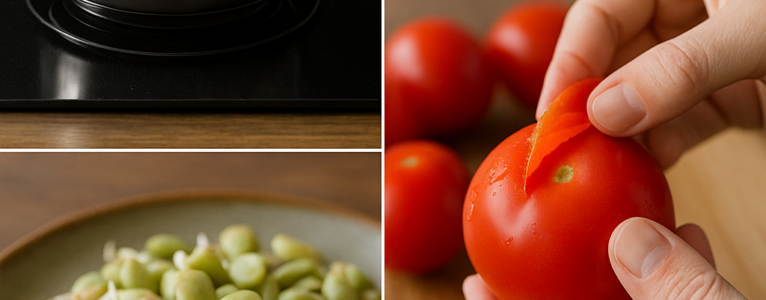
Peeling and deseeding are familiar techniques within low-lectin cooking, particularly when preparing tomatoes, peppers, cucumbers, and squash. Their effects differ fundamentally from those of boiling or pressure cooking because they physically remove portions of the ingredient rather than altering proteins through heat.
Plants distribute proteins differently throughout their tissues. Some lectins occur in seeds, while others are found in roots, leaves, fruit flesh, or additional structures. Their location depends on the species and the biological function of the particular protein.
Removing a skin or seed may reduce exposure to compounds concentrated within that tissue. However, there is insufficient evidence to establish that most lectins in every commonly restricted vegetable are concentrated exclusively in its skin and seeds.
These techniques still offer considerable culinary value. Peeling tomatoes creates smoother sauces, removing cucumber seeds can reduce excess moisture in salads, and deseeding mature squash makes its flesh easier to incorporate into soups and purées.
It is also worth distinguishing botanical families. Tomatoes, peppers, potatoes, and eggplants are nightshades, whereas cucumbers and squash belong to a different plant family. Similar preparation practices do not establish that these vegetables contain the same lectins or require identical treatment.
Readers who find peeled or deseeded vegetables more comfortable to eat may reasonably continue preparing them that way. The improvement could involve differences in texture, fiber, portion composition, or other food constituents, and should not automatically be attributed to a specific reduction in lectin activity.
Slow Cooking, Roasting, and Other Lower-Moisture Methods
Slow cookers are particularly useful for developing flavor in soups, tenderizing meat, and preparing dishes that benefit from extended cooking. Their comparatively gentle heating conditions, however, make them unsuitable as the sole preparation method for certain dried beans.
Raw kidney beans should receive appropriate soaking and boiling before being incorporated into a slow-cooked dish. Commercially canned beans provide a convenient alternative because the necessary heat processing has already occurred.
Dry-heat cooking methods such as roasting, baking, and air frying introduce different considerations. Although an oven or air fryer may operate at a high temperature, the interior of an ingredient does not necessarily reach that same temperature. Moisture content, ingredient thickness, airflow, and cooking duration influence the actual conditions experienced by food proteins.
A crisp exterior can therefore develop while the interior remains relatively moist or insufficiently heated for a particular purpose. This is one reason appliance temperature alone cannot establish the degree of lectin deactivation.
Our discussion of air frying and lectin reduction examines the differences between dry and moist heating methods for readers choosing equipment and preparation techniques.
Can Acidic Marinades Reduce Lectins?
Acidic ingredients such as lemon juice, vinegar, and wine influence the chemical environment of foods. Changes in acidity can affect electrical charges within proteins and alter some of the interactions that maintain their folded structures.
Different proteins respond differently to these conditions. A particular acidic environment may destabilize one protein while another remains relatively resistant. Acidity also interacts with temperature, moisture, and exposure duration, making its effects difficult to predict without studying the specific ingredient.
The concentrations and exposure conditions used in food science experiments may differ substantially from those encountered during ordinary kitchen marination. Consequently, there is insufficient evidence to assume that soaking vegetables in lemon juice or vinegar reliably produces a substantial reduction in active lectins.
Acidic marinades remain useful for adding flavor, balancing richness, and changing the sensory characteristics of a dish. They should be selected for those purposes unless reliable evidence supports an additional effect on the particular lectin being considered.
As with dried legumes, the timing of acidic additions can affect culinary results. Adding tomatoes or vinegar to beans after they have softened often produces a more desirable texture than introducing those ingredients at the beginning of cooking.
Why Reducing Lectin Activity Does Not Always Predict Digestive Comfort
Cooking transforms many components of food at the same time. Starches gelatinize, plant tissues soften, proteins change structure, and some water-soluble carbohydrates migrate into surrounding liquids. These changes can influence digestion independently of any reduction in lectin activity.
Someone who tolerates properly cooked beans more comfortably than another preparation may be responding to several of these differences. Similarly, a person who experiences less discomfort after eating fermented bread may be reacting to changes in fermentable carbohydrates or other wheat constituents.
Research demonstrating reduced lectin activity provides information about the composition and biological properties of the processed food. It does not independently establish that consuming that food will reduce chronic inflammation, improve intestinal permeability, or relieve particular medical symptoms.
The established safety benefits of adequately preparing kidney beans remain a clear exception because the relationship between active phytohemagglutinin and acute gastrointestinal illness is documented. Broader claims about chronic inflammatory conditions require evidence from human dietary studies that distinguish lectin reduction from the other changes occurring during food preparation.
Applying These Methods in an Everyday Low-Lectin Kitchen
The most practical preparation strategy depends on the ingredient and its role in a meal. Dried legumes benefit from appropriate hydration and thorough cooking, while grains may require different combinations of moisture, heat, or fermentation. Vegetables can be peeled, deseeded, roasted, steamed, or simmered according to their culinary characteristics and individual tolerance.
When adapting an unfamiliar recipe, consider which ingredients actually require modification. A bean-based stew may benefit from preparing the beans separately before adding them to the finished sauce. A tomato-based dish may accommodate peeled and deseeded tomatoes, while a baked recipe containing wheat flour may require a more substantial adjustment to its moisture and binding ingredients.
The Living Low-Lectin Kitchen Assistant can help explore these possibilities. Its Convert a Recipe feature allows users to enter an existing recipe and generate a low-lectin adaptation, while the Ingredient Swapper provides suggestions for alternative ingredients. Generated recipes should still be checked against established food-safety requirements, particularly when they involve dried legumes, fermentation, or other preparation-sensitive ingredients.
Keeping track of preparation methods alongside ingredients can also improve the usefulness of a food journal. Recording whether beans were commercially canned or prepared from dried ingredients, whether vegetables were peeled, and how a grain was cooked provides additional context when comparing digestive responses.
Over time, these observations can help determine whether changing a preparation method offers a meaningful advantage over excluding an ingredient entirely. A food that remains comfortable to eat after appropriate preparation can contribute additional flavor, nutritional variety, and flexibility to regular meals. Where a preparation technique offers no observable improvement, alternative ingredients may provide a more practical solution without requiring increasingly elaborate kitchen routines.